Vihiga political history is one of the most important stories in Western Kenya politics. It connects the early post-independence leadership of Joseph Daniel Otiende, the rise of the Mudavadi family, the creation of Sabatia Constituency, and the modern political era represented by Ernest Kivai Kagesi and Clement Logova Sloya.
Before Sabatia became a separate constituency, the larger Vihiga Constituency covered a wider political area. In 1988, Sabatia was created out of the larger Vihiga, giving part of the region its own parliamentary identity.
This split changed the political map of Vihiga County. It allowed the larger Maragoli political space to develop two powerful parliamentary centres: Vihiga and Sabatia.
Vihiga has produced educationists, administrators, national leaders, party strategists and influential Members of Parliament. Sabatia, on the other hand, became strongly associated with the Mudavadi family, one of Kenya’s most visible political families.
Together, Vihiga and Sabatia tell a story of leadership, family legacy, multiparty democracy, devolution and local development politics.
Quick Facts About Vihiga Political History
| Category | Details |
|---|---|
| Main constituency | Vihiga Constituency |
| County | Vihiga County |
| Region | Western Kenya |
| Constituency created from Vihiga | Sabatia Constituency |
| Year Sabatia was created | 1988 |
| First listed Vihiga MP | Joseph Daniel Otiende |
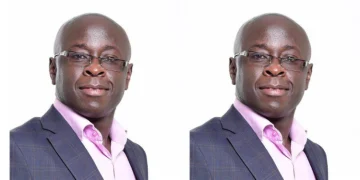
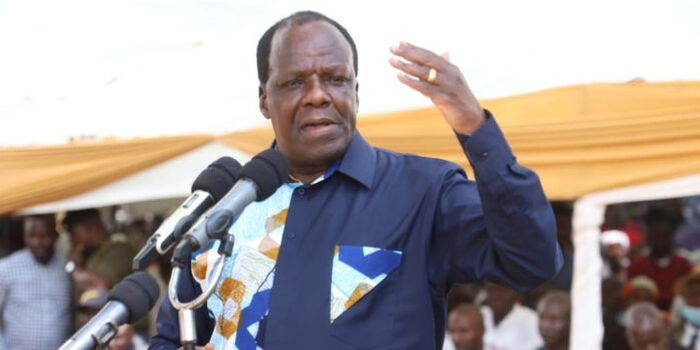
| Current Vihiga MP | Ernest Kivai Kagesi |
| First listed Sabatia MP | Moses Mudamba Mudavadi |
| Current Sabatia MP | Clement Logova Sloya |
| Major political family | Mudavadi family |
| Notable national figure | Wycliffe Musalia Mudavadi |
| Key political themes | Education, roads, party politics, family legacy, devolution and development |
Vihiga Members of Parliament
The following timeline captures the parliamentary leadership of Vihiga Constituency.
| Period | Member of Parliament |
| 1963–1969 | Joseph Daniel Otiende |
| 1969–1975 | Peter Kibisu |
| 1975–1988 | Moses Mudamba Mudavadi |
| 1988–1992 | Bahati Semo |
| 1992–1997 | Andrew Ligale |
| 1997–2002 | Yusuf Chanzu |
| 2002–2007 | Andrew Ligale |
| 2007–2017 | Yusuf Chanzu |
| 2017–Present | Ernest Kivai Kagesi |
Joseph Daniel Otiende and the Early Independence Era
Joseph Daniel Otiende served as Vihiga MP from 1963 to 1969. His leadership belongs to the first generation of post-independence Kenyan parliamentarians.
This was a formative period for the country. Kenya had just gained independence, and local communities expected their MPs to help connect them to the new national government.
Otiende’s era was shaped by education, public administration, national unity and the expansion of basic services. Leaders of this generation were expected to champion schools, roads, health facilities and access to government institutions.
His place in Vihiga political history is important because he helped establish the constituency’s early parliamentary identity.
Peter Kibisu and the 1969–1975 Period
Peter Kibisu served as Vihiga MP from 1969 to 1975. His time in Parliament came during a politically sensitive period in Kenya’s early republic.
The country was still under the strong influence of the ruling party system. National politics was becoming more centralised, and local leaders had to balance constituency interests with the realities of national power.
Kibisu remains an important figure in Vihiga’s political memory because his tenure came between the founding independence leadership and the long Mudavadi era that followed.
His period reflected a time when Vihiga voters were beginning to define what they expected from their parliamentary representatives: development, visibility, education support and strong community presence.
Moses Mudamba Mudavadi and the Rise of the Mudavadi Legacy
Moses Mudamba Mudavadi served as Vihiga MP from 1975 to 1988. He later became the first listed MP for Sabatia after the constituency was created from the larger Vihiga in 1988.
His political role is central to both Vihiga and Sabatia history. He was not only a constituency leader but also a powerful national figure during the KANU era.
Mudamba Mudavadi became one of the most influential politicians from Western Kenya. He served in government and built a strong political base that would later shape the rise of his son, Wycliffe Musalia Mudavadi.
His leadership period covered the late Kenyatta era and much of the Moi era. This was a time when national politics was tightly controlled, and access to government power mattered greatly for local development.
For Vihiga, Mudamba’s long service created a strong political foundation. For Sabatia, his later move into the new constituency established the Mudavadi name as the dominant political force in that area.
Bahati Semo and the Post-Sabatia Split Era
Bahati Semo served as Vihiga MP from 1988 to 1992. His term came immediately after Sabatia was created out of the larger Vihiga Constituency.
This made his period politically important. Vihiga had to adjust to a new electoral map after losing part of its former territory to the newly created Sabatia Constituency.
The 1988–1992 period was also significant nationally. Kenya was still under one-party rule, but pressure for multiparty democracy was growing.
Semo’s leadership stood at the edge of a major national transition. By the next General Election in 1992, Kenya had returned to multiparty politics, and Vihiga voters would enter a more competitive political era.
Andrew Ligale and the Multiparty Transition
Andrew Ligale first served as Vihiga MP from 1992 to 1997. He later returned from 2002 to 2007.
His first election came during the historic 1992 General Election, when Kenya returned to multiparty democracy. This was a major turning point across the country.
Voters now had more party choices. Opposition politics became more visible. Constituencies became more competitive, and leaders had to appeal to both party loyalty and local development concerns.
Ligale became one of the notable Vihiga leaders of the multiparty era. His later return in 2002 also placed him within the National Rainbow Coalition wave that ended KANU’s long rule.
His political career reflects the changing nature of Kenyan politics from one-party dominance to competitive multiparty democracy.
Yusuf Chanzu and the Modern Vihiga Contest
Yusuf Chanzu served Vihiga from 1997 to 2002 and later from 2007 to 2017. His two periods in Parliament made him one of the major figures in modern Vihiga politics.
Chanzu’s first term began in the late Moi era. His second and longer period came after the 2007 General Election and continued through the first years of devolution.
His leadership crossed several important moments in Kenya’s political history: the 2007 post-election crisis, the Grand Coalition Government, the 2010 Constitution and the 2013 election under the devolved system.
Chanzu’s ability to return and serve across different political cycles shows his strong base in the constituency. His period also reflects the competitive nature of Vihiga politics, where leaders often leave office, reorganise and return.
Ernest Kivai Kagesi and the Current Vihiga Era
Ernest Kivai Kagesi became Vihiga MP in 2017 and continues to serve in the current parliamentary era.
His leadership represents the modern phase of Vihiga politics under devolution. In this era, voters judge MPs not only by speeches in Parliament but also by constituency development, bursary support, school infrastructure, roads, public participation and accessibility.
Kagesi’s background in finance and management gives him a technocratic profile. His period comes at a time when citizens expect leaders to deliver measurable development results while also speaking on national issues.
As current MP, his legacy will be judged by his ability to address Vihiga’s practical needs: education, roads, youth empowerment, economic opportunity, health facilities, water projects and coordination with county government.
Sabatia Constituency and the 1988 Political Split
Sabatia Constituency was created out of the larger Vihiga Constituency in 1988. This was one of the most important political developments in the region.
The creation of Sabatia gave voters in that area a direct parliamentary voice. It also created a new platform for the Mudavadi family, whose influence would become central to Sabatia’s political identity.
After the split, Vihiga and Sabatia developed separate but connected political paths. Vihiga continued with leaders such as Bahati Semo, Andrew Ligale, Yusuf Chanzu and Ernest Kagesi. Sabatia became associated with Moses Mudamba Mudavadi, Wycliffe Musalia Mudavadi, Moses Akaranga, Alfred Agoi and Clement Sloya.
The creation of Sabatia also helped deepen political representation in Vihiga County by allowing development debates to become more localised.
Sabatia Members of Parliament
The following timeline captures the parliamentary leadership of Sabatia Constituency.
| Period | Member of Parliament |
| 1988–1989 | Moses Mudamba Mudavadi |
| 1989–2002 | Wycliffe Musalia Mudavadi |
| 2002–2007 | Moses Akaranga |
| 2007–2013 | Wycliffe Musalia Mudavadi |
| 2013–2022 | Alfred Agoi Masadia |
| 2022–Present | Clement Logova Sloya |
Moses Mudamba Mudavadi and the Birth of Sabatia
Moses Mudamba Mudavadi became the first listed MP for Sabatia after the constituency was created in 1988. His time in the new constituency was short because he died in 1989, but his impact remained enormous.
He had already served the larger Vihiga Constituency for many years, and his move into Sabatia gave the new constituency an experienced and nationally connected leader.
His death created a major political transition. It opened the way for his son, Wycliffe Musalia Mudavadi, to enter Parliament and begin one of the most important political careers in modern Kenya.
Mudamba’s legacy in Sabatia is therefore both personal and political. He helped establish the constituency’s early identity and laid the foundation for a family legacy that would dominate the area for decades.
Wycliffe Musalia Mudavadi and Sabatia’s National Profile
Wycliffe Musalia Mudavadi first became Sabatia MP in 1989 after the death of his father. He served until 2002, returned in 2007 and served until 2013.
Musalia Mudavadi’s career made Sabatia one of the most nationally visible constituencies in Kenya. He rose from constituency politics to hold some of the country’s highest offices.
He served as Vice President in 2002, Deputy Prime Minister from 2008 to 2012, and later became Prime Cabinet Secretary. He also became a presidential candidate and one of the most prominent political figures from Western Kenya.
His political journey shows how a constituency leader can move from local representation to national leadership. For Sabatia, Mudavadi’s rise created prestige, visibility and a strong political identity.
The Mudavadi name remains deeply tied to Sabatia politics, even after the constituency began electing other leaders.
Moses Akaranga and the 2002 Change
Moses Akaranga served as Sabatia MP from 2002 to 2007. His victory came during the 2002 General Election, when Kenya experienced one of its biggest political transitions.
The National Rainbow Coalition defeated KANU, ending decades of one-party dominance. Across the country, voters embraced change, reform and new political alignments.
Akaranga’s election showed that even a constituency strongly associated with the Mudavadi family could shift direction when national political winds changed.
He later became the first Governor of Vihiga County after devolution, showing that his influence extended beyond Sabatia parliamentary politics.
His career reflects the link between constituency leadership and county-level politics under the 2010 Constitution.
Musalia Mudavadi’s Return in 2007
Musalia Mudavadi returned as Sabatia MP in 2007. His comeback restored the Mudavadi family’s direct parliamentary representation in the constituency.
The 2007 election was one of the most difficult elections in Kenya’s history. It led to a disputed presidential result, post-election violence and the formation of the Grand Coalition Government.
Mudavadi became Deputy Prime Minister in that coalition government, further strengthening Sabatia’s national profile.
His return also showed that the Mudavadi name remained powerful in Sabatia, even after the 2002 defeat.
Alfred Agoi Masadia and the Devolution Era
Alfred Agoi Masadia served as Sabatia MP from 2013 to 2022. His election came during Kenya’s first General Election under the devolved system created by the 2010 Constitution.
This was a major shift. Constituencies were no longer the only centres of local development politics. County governments, governors, senators and MCAs also became central actors.
Agoi’s tenure covered the first decade of devolution. During this period, voters began judging MPs through NG-CDF projects, bursaries, school infrastructure, roads, public engagement and coordination with county government.
His leadership marked Sabatia’s movement beyond direct Mudavadi family representation, although the constituency remained closely associated with Musalia Mudavadi’s national political influence.
Clement Logova Sloya and the Current Sabatia Era
Clement Logova Sloya became Sabatia MP after the 2022 General Election. His victory marked another generational shift in Sabatia politics.
Sloya represents the current political phase, where voters are highly focused on accessibility, development, education support, roads, water, youth empowerment and accountability.
His election also showed that Sabatia voters could continue redefining the constituency’s political direction while still recognising its historic connection to the Mudavadi family.
As current MP, Sloya’s legacy will depend on how well he delivers constituency development, builds public trust and represents Sabatia’s interests in Parliament.
The Mudavadi Family in Vihiga and Sabatia Politics
The Mudavadi family is central to Vihiga political history and especially to Sabatia political history.
Moses Mudamba Mudavadi built the foundation through his long service in the larger Vihiga Constituency and later the new Sabatia Constituency. His son, Wycliffe Musalia Mudavadi, expanded that legacy nationally.
Musalia Mudavadi’s rise to Vice President, Deputy Prime Minister and Prime Cabinet Secretary made Sabatia one of the most politically recognised constituencies in Kenya.
The family’s story reflects continuity, succession, national influence and the role of political families in Kenyan democracy.
However, Sabatia’s later elections also show that voters can balance legacy with performance, party affiliation and changing political expectations.
Vihiga, Sabatia and Maragoli Political Identity
Vihiga and Sabatia are closely tied to Maragoli political identity. The Maragoli community is one of the largest Luhya sub-groups and has played an important role in Western Kenya politics.
Local politics in the two constituencies is often influenced by education, churches, clan networks, professional groups, business interests, youth groups and community development concerns.
The region has long valued education and public service. This has shaped the kind of leaders who emerge from Vihiga and Sabatia.
Political debates often focus on roads, schools, bursaries, health services, markets, youth employment, water, electricity and access to national opportunities.
Devolution and the Changing Role of MPs
The 2010 Constitution changed political leadership in Vihiga and Sabatia.
Before devolution, MPs were often seen as the main drivers of local development. After devolution, county governments took over many functions, including health, county roads, markets and early childhood education.
This means MPs now operate in a shared development environment. They must work alongside governors, senators, MCAs and national government agencies.
For Vihiga and Sabatia voters, this has changed expectations. Residents now judge leaders by both parliamentary representation and practical service delivery.
The current era of Ernest Kagesi and Clement Sloya therefore belongs to a more demanding political environment. Voters want visible projects, transparency, public participation and strong representation.
Why Vihiga Political History Matters
Vihiga political history matters because it reflects Kenya’s wider political journey.
The constituency has experienced the independence era, the one-party period, the creation of new constituencies, multiparty democracy, family succession, national leadership, devolution and modern performance-based politics.
It also matters because Vihiga and Sabatia have produced leaders who influenced national politics. Moses Mudavadi and Musalia Mudavadi made the region visible at the national level. Andrew Ligale and Yusuf Chanzu represented competitive multiparty politics. Ernest Kagesi and Clement Sloya represent the current era of devolved accountability.
For voters, students and researchers, this history provides a clear record of leadership and political change in one of Western Kenya’s most important regions.
Key Takeaways
- Vihiga political history begins with Joseph Daniel Otiende in the early post-independence era.
- Peter Kibisu served during the late 1960s and early 1970s.
- Moses Mudamba Mudavadi became one of the most influential leaders from the larger Vihiga Constituency.
- Sabatia Constituency was created out of the larger Vihiga in 1988.
- Bahati Semo represented Vihiga after the Sabatia split.
- Andrew Ligale and Yusuf Chanzu shaped Vihiga politics during the multiparty era.
- Ernest Kivai Kagesi has served as Vihiga MP since 2017.
- Moses Mudamba Mudavadi became the first listed MP for Sabatia.
- Wycliffe Musalia Mudavadi gave Sabatia major national visibility.
- Moses Akaranga later became Vihiga Governor after serving as Sabatia MP.
- Alfred Agoi represented Sabatia during the first decade of devolution.
- Clement Logova Sloya is the current MP for Sabatia.
- The Mudavadi family remains central to Sabatia and Vihiga political memory.
Frequently Asked Questions
What is Vihiga political history?
Vihiga political history refers to the leadership journey of Vihiga Constituency, the creation of Sabatia Constituency, and the MPs who shaped politics in the wider Vihiga region.
Who was the first MP for Vihiga Constituency?
Joseph Daniel Otiende is listed as the first MP for Vihiga Constituency, serving from 1963 to 1969.
When was Sabatia Constituency created?
Sabatia Constituency was created out of the larger Vihiga Constituency in 1988.
Who served as Vihiga MP from 1975 to 1988?
Moses Mudamba Mudavadi served as Vihiga MP from 1975 to 1988.
Who is the current MP for Vihiga?
Ernest Kivai Kagesi is the current Member of Parliament for Vihiga Constituency.
Who was the first MP for Sabatia?
Moses Mudamba Mudavadi was the first listed MP for Sabatia after the constituency was created in 1988.
When did Musalia Mudavadi become Sabatia MP?
Wycliffe Musalia Mudavadi first became Sabatia MP in 1989 after the death of his father, Moses Mudamba Mudavadi.
What national offices has Musalia Mudavadi held?
Musalia Mudavadi has served as Vice President, Deputy Prime Minister and Prime Cabinet Secretary of Kenya.
Who served as Sabatia MP from 2013 to 2022?
Alfred Agoi Masadia served as Sabatia MP from 2013 to 2022.
Who is the current MP for Sabatia?
Clement Logova Sloya is the current Member of Parliament for Sabatia Constituency.
Conclusion
Vihiga political history is a story of leadership, constituency change and national influence. From Joseph Daniel Otiende’s early post-independence service to Ernest Kivai Kagesi’s current leadership, Vihiga has remained an important political space in Western Kenya. Vihiga is a town in Kenya located on the eastern side of the Kakamega Forest.
The creation of Sabatia in 1988 changed the region’s political map and gave rise to one of Kenya’s most recognisable political constituencies. Moses Mudamba Mudavadi helped establish Sabatia’s early foundation, while Wycliffe Musalia Mudavadi carried the constituency’s name to the highest levels of national politics.
Vihiga and Sabatia together reflect the evolution of Kenyan politics: independence leadership, one-party rule, multiparty democracy, family legacy, national office, devolution and modern development expectations.
For voters, researchers and students, this history offers more than a list of MPs. It explains how leadership, identity, constituency boundaries and national politics shaped one of Vihiga County’s most important political journeys.
Read Also: Bobi Wine Abducted by Military as Uganda Tallies Votes