Khwisero political history is an important chapter in Kakamega County politics. The constituency was created in 1997 out of the larger Butere Constituency, giving the people of Khwisero their own direct parliamentary voice and a clearer political identity.
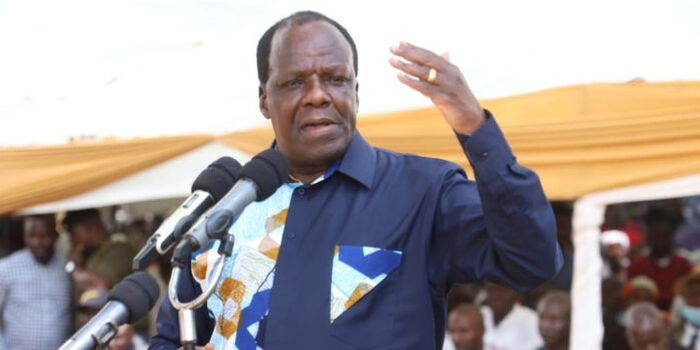
Since its creation, Khwisero has been represented by Harrison Odongo, Julius Arunga, Evans Akula, Benjamin Andayi and Christopher Aseka Wangaya. Each leader represents a different phase in the constituency’s political journey, from the late Moi era to the NARC transition, the ODM wave, devolution and the current parliamentary period.
Khwisero is closely associated with the Kisa community. Its politics has been shaped by education, agriculture, roads, land, churches, youth empowerment, clan networks, devolution, party loyalty and the wider political mood of Kakamega County.
Although Khwisero is one of the smaller constituencies in Kakamega by area, its political story matters because it shows how a young constituency can develop its own identity after being separated from a larger political unit.
Quick Facts About Khwisero Political History
| Category | Details |
|---|---|
| Constituency | Khwisero Constituency |
| County | Kakamega County |
| Region | Western Kenya |
| Created | 1997 elections |
| Created from | Larger Butere Constituency |
| First MP | Harrison Odongo |
| Current MP | Christopher Aseka Wangaya |
| Current MP’s party | ODM |
| Key community identity | Kisa |
| Wards | Kisa West, Kisa East, Kisa North, Kisa Central |
| Key political themes | Education, roads, agriculture, water, youth, devolution and representation |
Khwisero Members of Parliament
The following timeline captures the parliamentary leadership of Khwisero Constituency since its creation.
| Period | Member of Parliament |
| 1997–2002 | Harrison Odongo |
| 2002–2007 | Julius Arunga |
| 2007–2013 | Evans Akula |
| 2013–2017 | Benjamin Andayi |
| 2017–Present | Christopher Aseka Wangaya |
Creation of Khwisero from Butere
Khwisero Constituency was created in 1997 out of the larger Butere Constituency. This boundary change was important because it gave the area a separate parliamentary platform.
Before Khwisero became a constituency, residents were part of the wider Butere political arrangement. That meant local development concerns had to compete within a larger constituency structure.
The creation of Khwisero allowed the area to focus more directly on its own priorities. These included schools, roads, water, health facilities, markets, agriculture, youth programmes and local public services.
The constituency was born during the multiparty era. Kenya had returned to competitive politics in 1992, and by 1997 voters were more active in choosing leaders based on party identity, local networks, development promises and personal reputation.
For Khwisero, the 1997 election marked the start of a new political identity.
Harrison Odongo and the Birth of Khwisero
Harrison Odongo became the first MP for Khwisero after the constituency was created.
His election in 1997 gave Khwisero its first parliamentary voice. As the first MP, Odongo had the responsibility of helping the constituency define its early development priorities and political culture.
First MPs often play a special role in new constituencies. They help residents understand what direct representation means, how constituency development should be organised and what kind of leadership voters should expect.
Odongo’s term came during the late Moi era. This was a time of strong political competition, but national politics was still heavily influenced by KANU and the opposition movements that had emerged after the return of multiparty democracy.
For Khwisero, Odongo’s leadership laid the foundation for future electoral contests and development expectations.
Julius Arunga and the 2002 Transition
Julius Arunga served as Khwisero MP from 2002 to 2007.
His election came during one of Kenya’s most important political transitions. In 2002, the National Rainbow Coalition defeated KANU and ended decades of one-party dominance.
Across the country, voters wanted reform, better governance, economic recovery and more responsive leadership. Khwisero was part of that national mood.
Arunga’s leadership therefore belonged to the post-KANU transition period. This was a time when voters expected new development energy, stronger public services and better political accountability.
For Khwisero, his term helped carry the constituency from its first parliamentary cycle into the reform period of the Kibaki administration.
Evans Akula and the ODM Wave
Evans Akula served as Khwisero MP from 2007 to 2013.
His election came during the highly charged 2007 General Election, one of the most consequential elections in Kenya’s history. The disputed presidential result led to a national crisis and later the formation of the Grand Coalition Government.
Akula’s period also coincided with the rise of ODM as a major political force in Western Kenya and other parts of the country.
His leadership covered the constitutional reform process that produced the 2010 Constitution. That Constitution changed Kenya’s political structure by introducing devolution, county governments, governors, senators, women representatives and MCAs.
For Khwisero, Akula’s term was important because it stood at the transition between the old centralised system and the new devolved order that began after the 2013 General Election.
Benjamin Andayi and the First Devolution Era
Benjamin Andayi served as Khwisero MP from 2013 to 2017.
His election came during Kenya’s first General Election under the 2010 Constitution. This was a major change in how constituencies experienced leadership and development.
Before devolution, many voters viewed MPs as the main drivers of local development. After devolution, county governments became responsible for many services, including health, county roads, markets, early childhood education and local planning.
Andayi’s leadership therefore belonged to Khwisero’s first parliamentary phase under devolution. During this period, voters began judging leaders through both NG-CDF projects and county government service delivery.
His term came at a time when Khwisero residents were adjusting to the new political structure of Kakamega County, including the roles of the governor, senator, MCAs and national government agencies.
Christopher Aseka Wangaya and the Current Khwisero Era
Christopher Aseka Wangaya became Khwisero MP in 2017 and retained the seat in 2022.
His re-election was politically significant because Khwisero had developed a reputation for changing MPs after one term. By winning again, Aseka broke that pattern and became the first MP in Khwisero’s modern history to retain the seat across two consecutive elections.
Aseka’s background in supply chain management and public administration gives him a technocratic profile. Before joining Parliament, he worked in public sector procurement and county administration.
His leadership belongs to the current era of high voter expectations. Constituents now judge MPs by education support, bursaries, school infrastructure, roads, water projects, youth empowerment, security, public engagement and parliamentary visibility.
As current MP, Aseka represents Khwisero in the devolved system, where constituency development requires cooperation between the MP, county government, national government agencies, MCAs and local communities.
The One-Term Pattern in Khwisero Politics
One of the most interesting features of Khwisero political history is the early one-term pattern.
From 1997 to 2017, each MP served only one term. Harrison Odongo served from 1997 to 2002. Julius Arunga served from 2002 to 2007. Evans Akula served from 2007 to 2013. Benjamin Andayi served from 2013 to 2017.
This pattern made Khwisero one of the most politically unpredictable constituencies in Kakamega County. Voters repeatedly changed leadership, suggesting high expectations and strong demand for performance.
Christopher Aseka’s re-election in 2022 changed that pattern. It showed that voters could retain an MP when they believed he had delivered or maintained strong local support.
This makes the Aseka era a turning point in Khwisero politics.
Khwisero and Kisa Political Identity
Khwisero is strongly associated with Kisa identity. The constituency’s four wards — Kisa West, Kisa East, Kisa North and Kisa Central — reflect this deep local identity.
Kisa politics is shaped by community networks, churches, schools, clans, youth groups, women’s groups, professionals, farmers and local elders.
This identity gives Khwisero a strong cultural and political character within Kakamega County. Leaders must understand local expectations, community values and the development priorities of different wards.
At the same time, Khwisero is not isolated. It borders or neighbours areas linked to Butere, Ikolomani, Lurambi, Vihiga and Emuhaya. This gives it political and social connections beyond its boundaries.
Khwisero and Kakamega County Politics
Khwisero is one of the 12 constituencies in Kakamega County. Though relatively small in geographical size, it plays an important role in county politics.
Kakamega County is politically diverse. It includes constituencies with different local identities, party preferences, development needs and political histories.
Khwisero contributes to this diversity through its Kisa identity, voting patterns, leadership changes and connection to wider Western Kenya politics.
The constituency has often aligned with major political waves in the region, including NARC in 2002, ODM in later cycles and the broader coalition politics of the devolved era.
In Khwisero, party identity matters, but voters also care deeply about local accessibility, development record, school support and personal connection with leaders.
Education and Bursary Politics in Khwisero
Education is one of the most important political issues in Khwisero.
Parents expect MPs to support schools through NG-CDF, bursaries, classrooms, laboratories, libraries, desks, sanitation facilities and infrastructure improvements.
Because many households invest heavily in education as a path to opportunity, bursary allocation becomes a major public concern. Voters expect fairness, transparency and broad reach.
A leader who supports education can build strong goodwill across wards. A leader who appears inaccessible or unfair in education support can quickly face political pressure.
This makes education central to Khwisero’s political life.
Roads, Water and Local Development
Roads are another major issue in Khwisero politics.
Good roads connect homes, schools, farms, churches, markets and health facilities. Poor roads affect farming, public transport, emergency services, trade and school attendance.
Water access is also a major local concern. Many rural households depend on reliable water sources for domestic use, farming and livestock.
Other development issues include electricity, health facilities, markets, security, youth programmes, sports, women’s groups and support for vulnerable families.
These everyday concerns explain why Khwisero voters often judge leaders through visible development rather than speeches alone.
Agriculture and Rural Livelihoods
Khwisero is largely rural, and agriculture remains central to household income.
Residents engage in small-scale farming, livestock keeping, poultry, horticulture and local trade. Farming supports food security and provides income for many families.
Political leaders are expected to speak about farm inputs, market access, rural roads, extension services, livestock improvement and youth involvement in agriculture.
Agriculture may not always dominate national headlines, but it remains central to life in Khwisero.
A strong MP must understand the link between farming, roads, markets, education and poverty reduction.
Youth Empowerment and Employment
Youth issues are increasingly important in Khwisero politics.
Young people need jobs, vocational training, sports support, business opportunities, digital skills and access to government programmes.
Many young voters expect leaders to go beyond traditional development projects. They want empowerment programmes that create real opportunities.
This includes support for technical training, entrepreneurship, sports tournaments, talent development, ICT skills and access to national youth funds.
In modern Khwisero politics, youth engagement can shape electoral outcomes because young voters are more informed, more connected and more willing to demand accountability.
Devolution and the Changing Role of MPs
The 2010 Constitution changed how Khwisero voters judge leadership.
Before devolution, MPs were often seen as the main drivers of local development. After devolution, county governments took over many services, including health, county roads, markets and early childhood education.
This means MPs now operate in a shared development environment. They still represent the constituency in Parliament and oversee NG-CDF-related projects, but they must also coordinate with governors, senators, MCAs and national government agencies.
Benjamin Andayi served during Khwisero’s first devolution phase. Christopher Aseka has continued that role in the current era.
Today, voters expect the MP to be active in Parliament, visible at home and effective in linking Khwisero to both county and national development opportunities.
Party Politics in Khwisero
Khwisero political history reflects Kenya’s changing party landscape.
The constituency was created during the multiparty era. Harrison Odongo represented the late Moi-period political environment. Julius Arunga came in during the NARC wave of 2002. Evans Akula reflected the ODM rise of 2007. Benjamin Andayi served during the first devolution era. Christopher Aseka first entered Parliament through ANC and later retained the seat on an ODM ticket.
This pattern shows that Khwisero voters respond to both party mood and candidate strength.
A strong party can help, but local credibility matters. Voters look at performance, accessibility, family networks, clan balance, development record, public communication and ability to attract resources.
Why Khwisero Political History Matters
Khwisero political history matters because it shows how a young constituency can develop a strong political identity in a short period.
Created in 1997 out of Butere, Khwisero has already experienced several national phases: the late Moi era, the 2002 transition, the 2007 crisis, constitutional reform, devolution and the current coalition period.
Its leadership pattern also offers an interesting case study. For many years, voters changed MPs after one term. That changed when Christopher Aseka retained the seat in 2022.
The constituency’s history reflects high voter expectations, strong local identity and the importance of practical development.
For voters, students and researchers, Khwisero offers a useful example of political accountability in a relatively young constituency.
Key Takeaways
- Khwisero Constituency was created in 1997 out of the larger Butere Constituency.
- Harrison Odongo was the first MP for Khwisero.
- Julius Arunga served from 2002 to 2007 during the NARC transition.
- Evans Akula served from 2007 to 2013 during the ODM and constitutional reform period.
- Benjamin Andayi served from 2013 to 2017 during the first devolution era.
- Christopher Aseka Wangaya has served as Khwisero MP since 2017.
- Aseka retained the seat in 2022, breaking Khwisero’s early one-term pattern.
- Khwisero has four wards: Kisa West, Kisa East, Kisa North and Kisa Central.
- The constituency is strongly associated with Kisa identity.
- Education, roads, water, agriculture and youth empowerment shape local politics.
- Khwisero politics is influenced by both party waves and candidate performance.
- The constituency remains important in Kakamega County politics despite its small size.
Frequently Asked Questions
What is Khwisero political history?
Khwisero political history refers to the leadership journey of Khwisero Constituency in Kakamega County from its creation in 1997 to the current Christopher Aseka era.
When was Khwisero Constituency created?
Khwisero Constituency was created for the 1997 elections out of the larger Butere Constituency.
Who was the first MP for Khwisero?
Harrison Odongo was the first Member of Parliament for Khwisero Constituency.
Who served as Khwisero MP from 2002 to 2007?
Julius Arunga served as Khwisero MP from 2002 to 2007.
Who served as Khwisero MP from 2007 to 2013?
Evans Akula served as Khwisero MP from 2007 to 2013.
Who served as Khwisero MP from 2013 to 2017?
Benjamin Andayi served as Khwisero MP from 2013 to 2017.
Who is the current MP for Khwisero?
Christopher Aseka Wangaya is the current Member of Parliament for Khwisero Constituency.
When did Christopher Aseka become Khwisero MP?
Christopher Aseka Wangaya first became Khwisero MP in 2017 and retained the seat in 2022.
Which wards are in Khwisero Constituency?
Khwisero Constituency has four wards: Kisa West, Kisa East, Kisa North and Kisa Central.
Why is Khwisero important in Kakamega politics?
Khwisero is important because it represents the Kisa political identity, has a strong record of voter accountability and remains active in Kakamega County politics.
Conclusion
Khwisero political history is a story of constituency creation, voter expectations and evolving leadership. Since being created out of Butere in 1997, Khwisero has built its own political identity within Kakamega County.
Harrison Odongo gave the constituency its first parliamentary voice. Julius Arunga led during the 2002 transition. Evans Akula served during the ODM and constitutional reform period. Benjamin Andayi represented the first devolution era. Christopher Aseka Wangaya now leads the current phase after breaking the constituency’s early one-term pattern.
Beyond the list of MPs, Khwisero’s political story is shaped by Kisa identity, education, roads, water, agriculture, youth empowerment, party politics and the demand for accountable representation.
For voters, students and researchers, Khwisero political history offers more than names and dates. It explains how a young constituency developed its own voice, tested different leaders and became an important part of Kakamega County’s political landscape.
Khwisero Constituency is an electoral constituency in Western Kenya. It is one of the twelve constituencies in Kakamega County with a population of 113,294 people (2019 census). The constituency has four wards, all electing MCAs to the Kakamega county assembly. It was established for the 1997 elections.
Read Also: Maraga Recounts Fear and Pressure After Voiding Uhuru’s 2017 Election