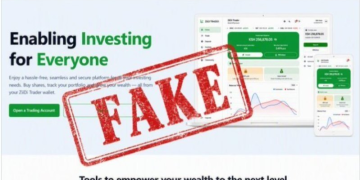
QVSELP scam concerns are growing among Kenyans as the platform is being described by users and online commentators as a suspicious investment, trading, or task-based scheme that promises easy daily earnings and rewards for recruiting other people.
The biggest warning sign is simple: any platform that promises guaranteed profits, daily returns, or unusually high commissions without a clear, regulated business model should be treated with extreme caution.
QVSELP appears to follow a pattern often seen in Ponzi-style and pyramid-style online schemes. Such platforms usually attract users by showing early “profits,” allowing small withdrawals at the beginning, and encouraging members to recruit friends, relatives, and WhatsApp contacts. Once enough money has entered the system, withdrawals may become delayed, blocked, or tied to extra payments.
Rge domain name has been changed from severally qvse.com to qvse.org to qvsekm.com
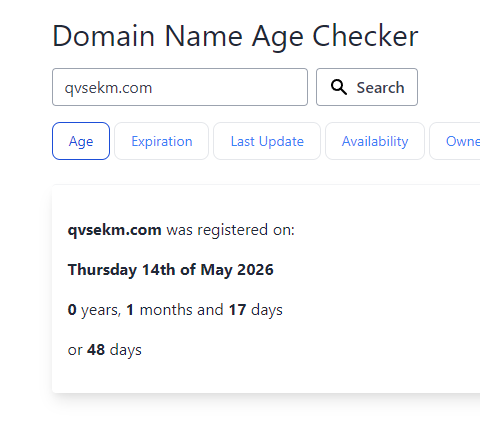
At that point, many users discover that the platform was never a genuine investment business.
What Is QVSELP?
QVSELP is being promoted as an online earning or investment-style platform. Based on available user claims, it appears to operate through promises of returns, commissions, referrals, or task-based income.
However, there is no clear evidence that QVSELP is a licensed investment company in Kenya. There is also no clear proof that it has a transparent business model generating real profits from legitimate trading, products, or services.
That is why Kenyans should be careful.
A genuine investment platform should be able to show:
- Legal registration details
- Regulatory approval where required
- Clear company ownership
- Real products or services
- Transparent income sources
- Proper customer support
- Public risk disclosures
- No pressure to recruit others
When a platform cannot clearly explain how it makes money, yet promises users guaranteed returns, that is a major red flag.
How the QVSELP Scam Allegedly Works
Platforms like QVSELP often follow a predictable cycle. The details may vary, but the structure is usually similar.
Stage One: Easy Registration
Users are encouraged to join quickly, often through a referral link. The process may look simple and attractive. New members may be told they can start earning after making a deposit, completing tasks, or upgrading their account.
This creates the impression that the opportunity is open to everyone.
Stage Two: Promised Daily Earnings
The platform may show users daily profits, account growth, or task income. These numbers can make the business appear legitimate, even when no real investment activity is taking place.
The user sees a balance increasing and begins to believe the platform works.
Stage Three: Small Early Withdrawals
Some early users may be allowed to withdraw small amounts. This is one of the most common tricks used by fraudulent platforms.
The goal is to build trust.
Once a few people withdraw money, they begin telling others that the platform is real. This creates social proof and helps the scheme attract more deposits.
Stage Four: Referral Pressure
The platform may then push users to recruit others. Members may be promised commissions for every new person they bring in.
This is a serious warning sign.
If the main way to earn is by bringing in new members rather than selling a real product or providing a real service, the platform may be operating like a pyramid scheme.
Stage Five: Withdrawal Problems
Eventually, users may begin facing withdrawal problems. The platform may delay payments, reject withdrawal requests, freeze accounts, or introduce new conditions.
Common excuses include:
- System maintenance
- Account verification
- Tax clearance fees
- Upgrade fees
- Anti-money-laundering checks
- Minimum withdrawal changes
- Network problems
- Payment gateway delays
These excuses are often used to keep users waiting while the operators collect more money.
Stage Six: The Platform Disappears
In many Ponzi-style schemes, the final stage is collapse. The website, app, Telegram group, WhatsApp admins, or customer support channels may disappear.
By the time users realize what happened, the money is already gone.
Why QVSELP Raises Red Flags
QVSELP raises concerns because the claims around it resemble the warning signs of fraudulent online investment schemes.
Guaranteed Returns
No genuine investment can guarantee daily profits without risk. Markets move up and down. Real trading, crypto, forex, and investment products all carry risk.
A platform promising fixed daily income should be treated with suspicion.
Heavy Focus on Recruitment
If users are encouraged to bring in friends and family to earn commissions, the model may depend on new deposits rather than real business activity.
That is a common pyramid-style structure.
No Clear Regulation
A legitimate investment business operating in Kenya should comply with relevant laws and regulatory requirements.
If a platform claims to offer investment, trading, forex, crypto, or money management services, users should check whether it is licensed by the proper regulator.
No Transparent Business Model
A real company should explain how it generates revenue. If the explanation is vague, confusing, or based only on “trading,” “AI,” “tasks,” “mining,” or “investment packages,” users should be careful.
Pressure to Deposit Quickly
Scam platforms often use urgency. They may tell users to join early, upgrade fast, or deposit before a promotion ends.
Urgency is used to stop people from thinking carefully.
Extra Fees Before Withdrawal
A common scam tactic is to demand more money before releasing funds. Users may be told to pay tax, clearance, activation, or verification fees.
A platform that asks for more money before allowing withdrawals is a major red flag.
QVSELP and the Ponzi Scheme Pattern
The QVSELP scam concerns fit the structure of a Ponzi-style scheme.
A Ponzi scheme uses money from new members to pay earlier members. It does not create sustainable income from a real business. As long as new people keep joining and depositing money, the platform may appear to work.
But once recruitment slows down, the scheme collapses.
| Warning Sign | Why It Matters |
|---|---|
| Guaranteed daily returns | Real investments cannot guarantee daily profits |
| Referral commissions | The model may depend on recruitment |
| Small early withdrawals | Used to build false trust |
| No clear regulation | Users may have no legal protection |
| Withdrawal delays | Often appear before collapse |
| Extra withdrawal fees | Used to extract more money |
| Hidden owners | Makes accountability difficult |
The danger is that many users join because someone they trust invited them. That person may also be a victim, not necessarily a fraudster.
Why Kenyans Keep Falling for Online Investment Scams
Online investment scams spread quickly in Kenya because they use trust, speed, and social pressure.
Many people first hear about these platforms from friends, relatives, church groups, workplace groups, WhatsApp communities, or Telegram channels. When someone close says they have withdrawn money, the opportunity feels believable.
Scammers understand this.
They use early withdrawals to create testimonials. They encourage screenshots. They push members to post payment proof. They create the appearance of success.
By the time the warning signs become obvious, many people have already deposited money.
Is QVSELP Registered in Kenya?
Anyone considering QVSELP should first ask whether it is properly registered and licensed to offer investment services in Kenya.
Registration as a business is not the same as financial regulation. A company can have a business name and still not be licensed to collect money from the public for investment purposes.
Before trusting any investment platform, Kenyans should check with relevant authorities, including:
- Capital Markets Authority
- Central Bank of Kenya
- Sacco Societies Regulatory Authority, where relevant
- Insurance Regulatory Authority, where relevant
- Business Registration Service, for company existence only
If a platform is not licensed to offer the product it is selling, users should avoid it.
What To Do If You Already Joined QVSELP
If you already joined QVSELP or deposited money, take action quickly.
Stop Depositing More Money
Do not add more money to unlock withdrawals, upgrade your account, pay tax, or complete verification.
Scam platforms often use extra fees to take more from victims.
Do Not Recruit Others
Avoid inviting friends, relatives, or workmates. If the platform collapses, they may lose money and blame you.
Save Evidence
Keep screenshots of your account, deposits, withdrawal requests, messages, referral links, payment numbers, and admin contacts.
This information may help if you report the matter.
Try To Withdraw Without Paying Extra Fees
If withdrawals are still open, attempt to withdraw your funds. However, do not pay additional fees to access your own money.
Report the Platform
Report suspicious investment platforms to the relevant authorities and mobile money provider if payments were made through M-Pesa or bank channels.
Warn Others Carefully
Share warnings without exaggeration. Stick to facts: withdrawal problems, unlicensed status, unrealistic returns, and referral pressure.
How To Identify Similar Scams in Kenya
QVSELP is not the first platform to raise concerns, and it will not be the last. Kenyans should learn how to identify similar schemes early.
Check Whether the Platform Is Licensed
Before investing, confirm whether the platform is licensed by the relevant regulator. Do not rely on screenshots, certificates, or claims posted in WhatsApp groups.
Avoid Guaranteed Returns
Any platform promising guaranteed daily profits should be treated as high risk.
Question Referral-Based Income
If the business depends heavily on recruiting people, it may not be a real investment.
Watch for Anonymous Owners
Legitimate businesses normally disclose directors, offices, customer support channels, and legal documents.
Be Careful With “Task” Platforms
Some scams pretend to pay users for simple online tasks. The real goal may be to collect deposits and recruit new members.
Do Not Trust Payment Proof Alone
Screenshots can be edited. Early withdrawals can be staged. Payment proof does not prove a platform is sustainable.
Common Phrases Used by Scam Platforms
Fraudulent platforms often use similar marketing language. Be careful when you see phrases such as:
- Guaranteed daily income
- Invest once and earn forever
- Invite friends and earn more
- Limited slots available
- Upgrade to withdraw
- Pay tax before cashout
- AI trading profits
- Risk-free investment
- Double your money
- Automatic income
- VIP earning level
These phrases are designed to make people act quickly without verifying the business.
QVSELP Scam Warning for Parents, Students and Workers
The QVSELP scam warning is especially important for students, young workers, parents, and small business owners.
Many online schemes target people looking for quick income. Students may be attracted by the promise of easy online earnings. Workers may see it as a side hustle. Parents may join because they want extra money for school fees, rent, or household expenses.
Scammers exploit financial pressure.
That is why people should be careful with any platform that makes wealth look easy. Real income usually comes from work, business, skills, savings, and regulated investments — not secret apps promising daily profits.
Safer Alternatives to Suspicious Online Platforms
Instead of risking money in unverified platforms, Kenyans can consider safer options depending on their goals and risk tolerance.
These may include:
- Saving through regulated banks
- Using licensed Saccos
- Investing through regulated money market funds
- Buying Treasury bills or bonds through official channels
- Building a small business
- Learning digital skills
- Using verified freelance platforms
- Seeking advice from qualified financial professionals
No option is completely risk-free, but regulated channels offer more transparency and protection than anonymous online schemes.
Key Takeaways
- QVSELP has raised serious scam concerns among Kenyan users.
- The platform appears to show red flags linked to Ponzi-style and pyramid-style schemes.
- Guaranteed daily returns are a major warning sign.
- Referral commissions may indicate the model depends on recruitment.
- Small early withdrawals do not prove a platform is genuine.
- Withdrawal delays and extra cashout fees are common scam tactics.
- Users should not deposit more money to unlock withdrawals.
- Kenyans should verify investment platforms with official regulators.
- Payment screenshots and testimonials are not enough proof.
- Avoid recruiting friends and family into suspicious platforms.
- If you already joined, save evidence and report the matter.
- The safest move is to avoid unlicensed platforms promising quick profits.
Frequently Asked Questions
Is QVSELP a scam?
QVSELP shows several warning signs commonly linked to online investment scams, including alleged guaranteed returns, referral pressure, and unclear regulation. Kenyans should treat it with extreme caution.
Is QVSELP licensed in Kenya?
There is no clear public evidence in the provided information showing that QVSELP is licensed by Kenya’s financial regulators to offer investment services.
Why is QVSELP risky?
QVSELP is risky because platforms with guaranteed returns, recruitment commissions, and unclear business models often collapse once new deposits slow down.
Can I recover money from QVSELP?
Recovery may be difficult if the platform is unregulated or anonymous. Users should stop adding money, keep evidence, and report the matter to relevant authorities.
Should I pay a fee to withdraw from QVSELP?
No. Be very careful if a platform asks you to pay extra money before withdrawing your own funds. This is a common scam tactic.
Why do some users say QVSELP pays?
Some schemes allow small early withdrawals to build trust. Early payments do not prove the platform is genuine or sustainable.
What is a Ponzi scheme?
A Ponzi scheme uses money from new members to pay earlier members instead of generating real profit from a legitimate business.
What is a pyramid scheme?
A pyramid scheme depends mainly on recruiting new members. The people at the top benefit while many later members lose money.
How can I check if an investment platform is genuine in Kenya?
Check whether it is licensed by the relevant regulator, confirm its physical office and ownership, review public warnings, and avoid platforms promising guaranteed returns.
What should I do if my friend invited me to QVSELP?
Do not join blindly. Ask for licensing proof, business details, and withdrawal terms. If the model depends on recruitment and guaranteed returns, avoid it.
Conclusion
The QVSELP scam warning should not be ignored. The platform shows several red flags associated with fraudulent online investment schemes, including alleged guaranteed daily returns, referral pressure, unclear regulation, and the risk of withdrawal problems.
Kenyans should be especially careful with any platform that promises quick profits without a transparent business model. A genuine investment opportunity does not need to pressure users into recruiting friends, paying extra withdrawal fees, or trusting screenshots from strangers.
The safest approach is to avoid QVSELP and similar platforms unless they can prove proper licensing, transparent ownership, and a legitimate source of income. In online finance, the rule is simple: if the returns sound too easy, the risk is probably much bigger than advertised.
Disclaimer: This article is for informational and educational purposes only. It is not investment advice, financial advice, legal advice, or a recommendation to join or avoid any specific financial product. Always conduct your own research and consider speaking with a qualified financial adviser before making financial decisions.
Read Also: Equity Bank Scam Calls: How to Stay Safe