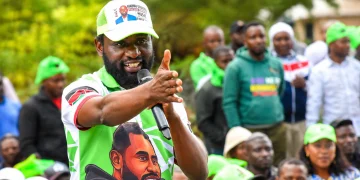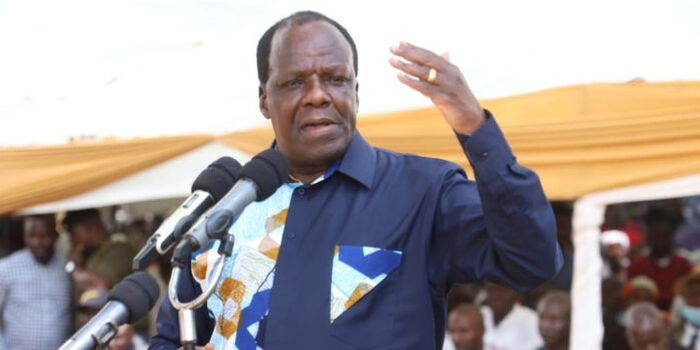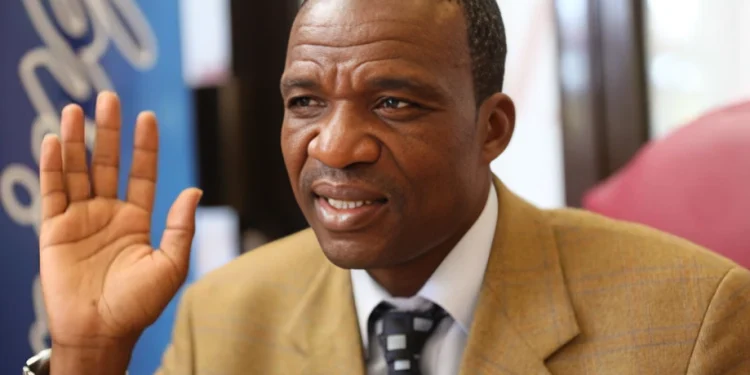
Malava political history is one of the most important stories in Kakamega County politics. Created in 1988 out of the larger Lurambi political arrangement, Malava became a distinct parliamentary constituency with its own identity, leadership and development priorities.
The constituency has been represented by Joshua Mulanda Angatia, Nathan Anaswa, Peter Soita Shitanda, Moses Malulu Injendi and David Athman Ndakwa. Each leader represents a different phase in Malava’s journey, from the late one-party era to multiparty democracy, devolution and the current post-by-election period.
Malava’s politics is shaped by Kabras identity, agriculture, education, roads, sugarcane farming, maize production, markets, churches, youth concerns, party competition and the wider politics of Kakamega County.
The constituency is also remembered for producing Peter Soita Shitanda, a major national figure who served as MP for many years and later became a Cabinet minister. Moses Malulu Injendi also became one of Malava’s longest-serving MPs before his death in 2025 created a by-election that brought David Ndakwa to Parliament.
Quick Facts About Malava Political History
| Category | Details |
|---|---|
| Constituency | Malava Constituency |
| County | Kakamega County |
| Region | Western Kenya |
| Created | 1988 elections |
| Created from | Larger Lurambi constituency arrangement |
| First MP | Joshua Mulanda Angatia |
| Current MP | David Athman Ndakwa |
| Notable long-serving MP | Peter Soita Shitanda |
| Former long-serving MP | Moses Malulu Injendi |
| Current number of wards | Seven |
| Wards | West Kabras, Chemuche, East Kabras, Butali/Chegulo, Manda/Shivanga, Shirugu/Mugai, South Kabras |
| Key political themes | Agriculture, sugarcane, education, roads, markets, youth, devolution and representation |
Malava Members of Parliament
The following timeline captures the parliamentary leadership of Malava Constituency since its creation.
| Period | Member of Parliament |
| 1988–1990 | Joshua Mulanda Angatia |
| 1990–1992 | Nathan Anaswa |
| 1992–1997 | Joshua Mulanda Angatia |
| 1997–2013 | Peter Soita Shitanda |
| 2013–2025 | Moses Malulu Injendi |
| 2025–Present | David Athman Ndakwa |
Creation of Malava from the Larger Lurambi Constituency
Malava Constituency was created in 1988 out of the larger Lurambi political arrangement. This boundary change was important because it gave the Malava area direct parliamentary representation.
Before Malava became a separate constituency, the region’s politics was tied to the wider Lurambi structure. That meant local development needs competed within a broader constituency arrangement.
The creation of Malava allowed voters to focus on local priorities such as roads, education, water, agriculture, markets, electricity, health facilities and youth empowerment.
The constituency was born during the late one-party era under KANU. The 1988 election period was politically sensitive across Kenya, and newly created constituencies had to establish their identity within a highly controlled national political system.
From the beginning, Malava’s politics carried a strong rural and agricultural character. Farming, settlement patterns and community identity became central to local campaigns.
Joshua Mulanda Angatia and the Birth of Malava
Joshua Mulanda Angatia became the first MP for Malava after the constituency was created in 1988.
His leadership gave the new constituency its first parliamentary voice. As the first MP, Angatia had the responsibility of helping Malava define its early political identity and development priorities.
He had already been part of the wider Lurambi political story before Malava’s creation. This gave him experience and name recognition as the new constituency began its own journey.
Angatia’s first term ran from 1988 to 1990. Though short, it remains foundational because it marked the formal beginning of Malava’s parliamentary representation.
His leadership came during a period when MPs operated under the one-party system. Local politics depended heavily on KANU structures, administrative networks, local influence and the ability to connect constituency concerns to national government.
Nathan Anaswa and the 1990–1992 Transition
Nathan Anaswa served as Malava MP from 1990 to 1992.
His term came after the early Malava transition and before the return of multiparty democracy. This was a politically important period in Kenya because pressure for political reform was rising across the country.
By the early 1990s, many Kenyans were demanding more democratic space, stronger accountability and the right to form opposition parties.
Anaswa’s leadership therefore came at the end of the one-party period. For Malava, this meant the constituency was still young, but it was already moving toward a new era of competitive politics.
His term helped carry Malava from its founding phase into the 1992 multiparty election.
Joshua Angatia’s Return in the Multiparty Era
Joshua Mulanda Angatia returned as Malava MP from 1992 to 1997.
His comeback came during the historic 1992 General Election, when Kenya returned to multiparty democracy. This election changed politics across the country by giving voters more party choices and making constituencies more competitive.
Angatia’s return showed that he still had strong local support after serving as Malava’s first MP. His second term connected the constituency’s one-party founding era to the new multiparty period.
The early 1990s were politically intense in Western Kenya. Opposition politics, party realignments and community leadership all influenced voter decisions.
Angatia’s 1992–1997 term therefore remains important because it helped define how Malava would participate in the new democratic environment.
Peter Soita Shitanda and Malava’s National Profile
Peter Soita Shitanda served as Malava MP from 1997 to 2013, making him one of the most important leaders in the constituency’s political history.
His election in 1997 marked a new phase for Malava. By then, multiparty politics had become more established, and voters were looking for leaders who could combine local development with national influence.
Shitanda became one of the most recognisable political figures from Kakamega County. He later served as a Cabinet minister, giving Malava a strong national presence.
His leadership covered several major national periods: the late Moi era, the 2002 transition that ended KANU’s long rule, the Kibaki administration, the 2007 post-election crisis, the Grand Coalition Government and the passage of the 2010 Constitution.
Shitanda’s time in office also overlapped with major development expectations in Malava. Constituents looked to him for roads, schools, markets, electricity, water and support for agriculture.
His long service gave Malava continuity and national visibility. For many residents, the Shitanda era remains one of the defining periods in the constituency’s political memory.
Moses Malulu Injendi and the Devolution Era
Moses Malulu Injendi served as Malava MP from 2013 until his death in 2025.
His election in 2013 came during Kenya’s first General Election under the 2010 Constitution. This was a major shift because voters were now electing MPs alongside governors, senators, women representatives and MCAs.
The role of MPs changed after devolution. Before 2013, many voters viewed MPs as the main route to local development. After devolution, county governments took over many functions, including health, county roads, markets, early childhood education and local planning.
Malulu Injendi’s tenure therefore belonged to the first decade of devolution. He served during a time when MPs were judged by both national representation and constituency-level development through NG-CDF.
He was re-elected in 2017 and again in 2022, showing that he maintained a strong political base in Malava.
His leadership is remembered for continuity, education support, development projects and his long stay as the constituency’s representative in the devolved era.
His death in 2025 created a major political turning point and led to a by-election.
David Athman Ndakwa and the Current Malava Era
David Athman Ndakwa became Malava MP after the 2025 by-election.
His victory opened a new chapter in Malava political history. The by-election followed the death of Moses Malulu Injendi and attracted major political attention because Malava had become one of Kakamega County’s most watched political contests.
Ndakwa won on a UDA ticket, defeating DAP-K candidate Seth Panyako in a closely contested race. His victory reflected the changing party dynamics in Western Kenya and the growing competition between national and regional political formations.
As current MP, Ndakwa inherits a constituency with strong development expectations. Voters expect him to address roads, schools, bursaries, water, markets, health facilities, youth empowerment, agriculture and completion of ongoing projects.
His leadership is still new, but it already represents an important transition: from the long Malulu Injendi era to a new political phase shaped by by-election politics and national party competition.
Malava and Kabras Political Identity
Malava is strongly associated with Kabras identity. The constituency’s wards and communities reflect a deep local history shaped by clan networks, culture, agriculture, churches, schools and local leadership.
Kabras political identity gives Malava a distinct place in Kakamega County politics. Candidates often need strong grassroots networks and the ability to connect with local cultural and community expectations.
At the same time, Malava is not isolated. It is part of the wider Luhya political landscape and the broader politics of Western Kenya.
This means Malava voters often balance local identity with national party alignments. They look at a candidate’s community connection, development record, party strength, accessibility and ability to attract resources.
Agriculture and Sugarcane Politics in Malava
Agriculture is central to Malava political history.
The constituency is known for maize, sugarcane, livestock, small-scale farming and rural trade. Farming shapes household income, local business and political debate.
Sugarcane farming has been especially important in parts of Malava and the wider Kakamega region. Voters often care about cane payments, factory performance, transport costs, farm inputs and market stability.
Maize farming also remains central. Fertiliser prices, seed costs, maize markets, storage and rural roads are major concerns for farmers.
For many Malava residents, politics is judged through practical economic issues. A leader who cannot speak about farming, roads, markets and household income risks losing touch with voters.
Education and Youth Empowerment
Education is one of the biggest political issues in Malava.
Parents expect MPs to support schools through NG-CDF, bursaries, classrooms, laboratories, libraries, desks, sanitation facilities and school infrastructure.
Youth empowerment is equally important. Young people need jobs, training, sports support, business opportunities, digital skills and access to national and county programmes.
Modern Malava politics must therefore address education and youth together. A constituency that invests in schools and young people strengthens its future economy and leadership base.
Roads, Markets and Public Services
Roads are central to Malava’s development politics. They connect farms to markets, children to schools, patients to health facilities and traders to customers.
Poor roads affect agriculture, public transport, business and emergency services. That is why roads remain one of the most common campaign issues in the constituency.
Markets are also important because they support farmers, traders, boda boda operators, small businesses and women’s groups.
Other public service issues include electricity, water, health centres, security, land administration and support for vulnerable households.
These practical concerns explain why Malava voters often judge leaders by visible development and accessibility.
Party Politics in Malava
Malava political history reflects Kenya’s changing party landscape.
The constituency began during the KANU era. The 1992 election brought multiparty competition. Soita Shitanda’s period reflected Ford-Kenya, NARC and New Ford-Kenya politics. Malulu Injendi served during the devolution era under changing party alignments, including Maendeleo Democratic Party, Jubilee and ANC. David Ndakwa’s 2025 victory on a UDA ticket reflected another shift in the constituency’s party direction.
This shows that Malava voters do not follow one political line forever. They respond to party waves, candidate strength, local networks, development records and national political moods.
In Malava, party identity matters, but so does the candidate’s personal connection with voters.
Devolution and the Changing Role of MPs
The 2010 Constitution changed political leadership in Malava.
Before devolution, MPs were often seen as the main drivers of local development. After devolution, county governments took over many services, including health, county roads, markets and early childhood education.
This means MPs now operate in a shared leadership environment. They must work with governors, senators, MCAs, national government agencies and constituency development structures.
Malulu Injendi served through most of the first decade of devolution. David Ndakwa now leads Malava in the next phase, where voters expect both local development and strong national representation.
Modern MPs must be active in Parliament, visible at home and effective in coordinating development.
Malava and Kakamega County Politics
Malava is one of the 12 constituencies in Kakamega County. Its size, population and political history make it an important part of county politics.
Kakamega County is politically diverse. It includes constituencies with different cultural identities, economic activities and party preferences.
Malava contributes to this diversity through Kabras identity, agricultural strength and a history of electing leaders with strong local and national profiles.
The constituency’s political choices often attract attention because they can signal wider shifts in Western Kenya politics.
The 2025 by-election, for example, was not only a local contest. It became part of a broader discussion about party strength, succession politics and voter mood in Kakamega County.
Why Malava Political History Matters
Malava political history matters because it reflects Kenya’s wider democratic journey.
The constituency was created in the one-party era, entered multiparty politics in 1992, produced a long-serving Cabinet-level leader in Soita Shitanda, experienced devolution under Moses Malulu Injendi and entered a new phase after the 2025 by-election.
Its leadership timeline shows continuity and change.
Joshua Angatia represents the founding era. Nathan Anaswa represents the early transition. Soita Shitanda represents long service and national visibility. Malulu Injendi represents the devolution era. David Ndakwa represents the current by-election and party realignment phase.
For voters, students and researchers, Malava offers a useful example of how a constituency grows from a boundary creation into a politically important seat.
Key Takeaways
- Malava Constituency was created in 1988 out of the larger Lurambi political arrangement.
- Joshua Mulanda Angatia was the first MP for Malava.
- Nathan Anaswa served from 1990 to 1992.
- Joshua Angatia returned from 1992 to 1997.
- Peter Soita Shitanda served from 1997 to 2013 and became one of Malava’s most important leaders.
- Soita Shitanda later served as a Cabinet minister.
- Moses Malulu Injendi served from 2013 until his death in 2025.
- David Athman Ndakwa won the 2025 Malava by-election.
- Malava has seven wards: West Kabras, Chemuche, East Kabras, Butali/Chegulo, Manda/Shivanga, Shirugu/Mugai and South Kabras.
- Agriculture, sugarcane, maize farming, education, roads and youth empowerment shape local politics.
- Malava is strongly associated with Kabras identity.
- The constituency remains important in Kakamega County and Western Kenya politics.
Frequently Asked Questions
What is Malava political history?
Malava political history refers to the leadership journey of Malava Constituency in Kakamega County from its creation in 1988 to the current David Ndakwa era.
When was Malava Constituency created?
Malava Constituency was created for the 1988 elections out of the larger Lurambi political arrangement.
Who was the first MP for Malava?
Joshua Mulanda Angatia was the first Member of Parliament for Malava Constituency.
Who served as Malava MP from 1990 to 1992?
Nathan Anaswa served as Malava MP from 1990 to 1992.
When did Joshua Angatia return as Malava MP?
Joshua Mulanda Angatia returned as Malava MP from 1992 to 1997.
Who was Peter Soita Shitanda?
Peter Soita Shitanda was a long-serving Malava MP from 1997 to 2013 and later a Cabinet minister.
Who served as Malava MP from 2013 to 2025?
Moses Malulu Injendi served as Malava MP from 2013 until his death in 2025.
Who is the current MP for Malava?
David Athman Ndakwa is the current Member of Parliament for Malava Constituency.
How did David Ndakwa become Malava MP?
David Ndakwa became Malava MP after winning the 2025 by-election following the death of Moses Malulu Injendi.
Why is Malava important in Kakamega politics?
Malava is important because of its agricultural strength, Kabras identity, large voter base and history of producing influential leaders such as Soita Shitanda and Moses Malulu Injendi.
Conclusion
Malava political history is a story of constituency creation, leadership continuity and political change. Since being created out of the larger Lurambi arrangement in 1988, Malava has grown into one of Kakamega County’s important political spaces.
Joshua Mulanda Angatia helped establish its first parliamentary identity. Nathan Anaswa carried it through the final years of the one-party era. Angatia returned during the multiparty opening. Peter Soita Shitanda gave Malava national visibility through long service and Cabinet leadership. Moses Malulu Injendi represented the constituency through the first decade of devolution and remained in office until his death in 2025. David Athman Ndakwa now leads the current phase after winning the 2025 by-election.
Across these periods, Malava politics has remained rooted in practical local concerns: farming, roads, education, markets, water, youth empowerment and representation.
For voters, students and researchers, Malava political history offers more than a list of MPs. It explains how boundary changes, party politics, Kabras identity, agriculture and devolution shaped one of Kakamega County’s key constituencies. Malava Constituency is an electoral constituency in Kenya. It is one of twelve constituencies in Kakamega County. The constituency was established for the 1988 elections.
Read Also: List of PDP Governors Who Boycotted Ibadan Convention