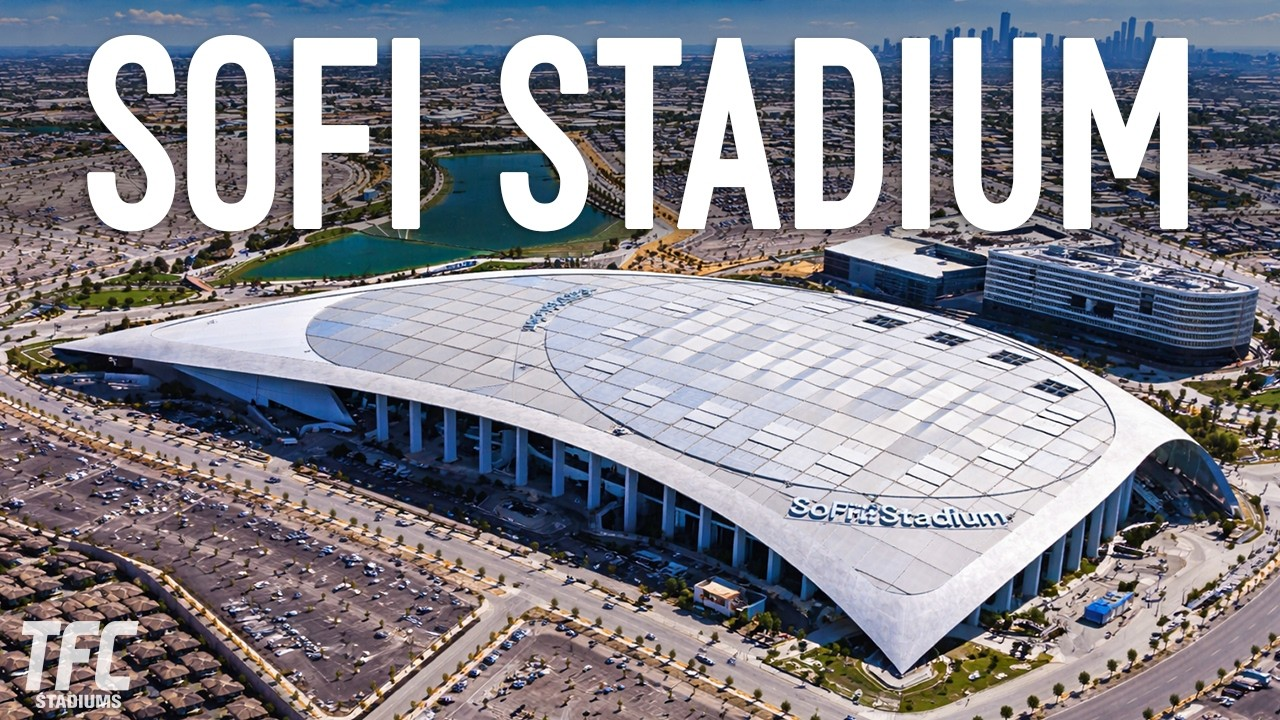
World Cup 2026 venues will stretch across the largest host map in tournament history, with 16 stadiums in the United States, Mexico and Canada preparing to stage the first 48-team FIFA World Cup.
The tournament will run from June 11 to July 19, 2026, with matches spread across 11 U.S. venues, three Mexican venues and two Canadian venues. It will be the first men’s World Cup hosted by three countries and the first edition played under the expanded 48-team format.
The opening match will take place in Mexico City, while the final will be played at MetLife Stadium in East Rutherford, New Jersey, officially referred to in FIFA competition materials as the New York/New Jersey Stadium.
For fans, this World Cup will be more than a football tournament. It will be a continent-wide event involving major stadiums, official fan festivals, hospitality packages, city celebrations, public viewing areas, concerts, tourism campaigns and one of the most complex match schedules FIFA has ever organized.
Quick Facts About World Cup 2026
| Detail | Information |
|---|---|
| Tournament | FIFA World Cup 2026 |
| Host countries | United States, Mexico and Canada |
| Number of teams | 48 |
| Number of matches | 104 |
| Host cities | 16 |
| Stadiums | 16 |
| Opening match | Mexico City |
| Final | MetLife Stadium, East Rutherford, New Jersey |
| Tournament dates | June 11 to July 19, 2026 |
| Format | 12 groups of four teams, followed by knockout rounds |
| First knockout round | Round of 32 |
World Cup 2026 Host Countries
The FIFA World Cup 2026 will be hosted across three North American countries.
| Country | Number of Venues | Host Cities |
| United States | 11 | New York/New Jersey, Dallas, Atlanta, Los Angeles, Miami, Boston, Houston, Kansas City, Philadelphia, Seattle, San Francisco Bay Area |
| Mexico | 3 | Mexico City, Monterrey, Guadalajara |
| Canada | 2 | Toronto, Vancouver |
The United States will host most of the matches, including the final. Mexico will host the opening match, while Canada will host matches in Toronto and Vancouver.
Full List of World Cup 2026 Venues
| No. | Stadium | City | Country | Capacity | Key Match Stage |
| 1 | MetLife Stadium | East Rutherford, New Jersey | USA | 82,500 | Final |
| 2 | AT&T Stadium | Arlington, Texas | USA | 94,000 | Semi-Final |
| 3 | Mercedes-Benz Stadium | Atlanta, Georgia | USA | 71,000 | Semi-Final |
| 4 | SoFi Stadium | Inglewood, California | USA | 70,240 | Quarterfinal |
| 5 | Hard Rock Stadium | Miami Gardens, Florida | USA | 64,767 | Third-Place Match |
| 6 | Gillette Stadium | Foxborough, Massachusetts | USA | 64,628 | Quarterfinal |
| 7 | NRG Stadium | Houston, Texas | USA | 72,220 | Round of 16 |
| 8 | Arrowhead Stadium | Kansas City, Missouri | USA | 76,416 | Quarterfinal |
| 9 | Lincoln Financial Field | Philadelphia, Pennsylvania | USA | 69,796 | Round of 16 |
| 10 | Lumen Field | Seattle, Washington | USA | 68,740 | Round of 16 |
| 11 | Levi’s Stadium | Santa Clara, California | USA | 68,500 | Round of 32 |
| 12 | Estadio Azteca | Mexico City | Mexico | 87,523 | Opening Match |
| 13 | Estadio BBVA | Monterrey | Mexico | 53,500 | Group Stage |
| 14 | Estadio Akron | Guadalajara | Mexico | 49,850 | Group Stage |
| 15 | BMO Field | Toronto | Canada | 30,000 | Group Stage |
| 16 | BC Place | Vancouver | Canada | 54,500 | Round of 16 |
Capacities may vary depending on tournament configuration, seating adjustments and FIFA event requirements.
USA World Cup 2026 Venues
The United States will host 11 of the 16 World Cup 2026 venues, making it the central host nation for the tournament. Its venues include some of the largest NFL stadiums in the country, many of which are already experienced in hosting major sports events, concerts and international football matches.
1. MetLife Stadium — East Rutherford, New Jersey
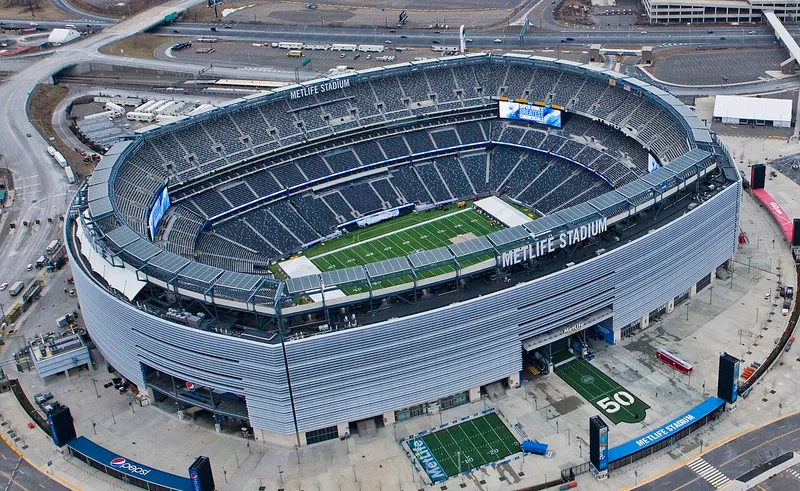
MetLife Stadium will host the World Cup 2026 final. Located in East Rutherford, New Jersey, near New York City, the venue is one of the most important stadiums in the tournament.
Although commonly known as MetLife Stadium, FIFA often refers to it by its host-region name, New York/New Jersey Stadium, because of commercial naming rules.
The venue’s selection for the final gives the tournament a major closing stage close to one of the world’s largest media, business and tourism markets.
Key Details
| Detail | Information |
| Location | East Rutherford, New Jersey |
| Host region | New York/New Jersey |
| Capacity | About 82,500 |
| Main World Cup role | Final |
| Importance | Biggest match of the tournament |
2. AT&T Stadium — Arlington, Texas
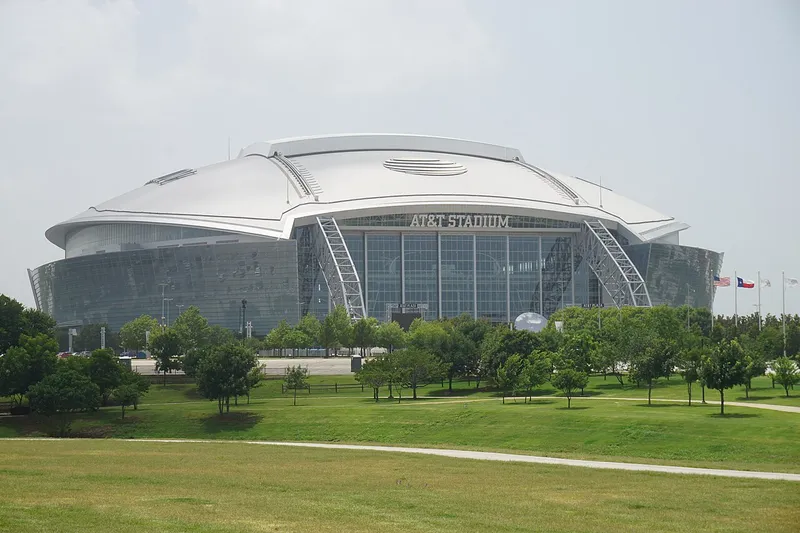
AT&T Stadium in Arlington, Texas, is one of the largest venues at the World Cup 2026. It is located in the Dallas-Fort Worth area and is known for its huge seating capacity, retractable roof and major-event infrastructure.
The stadium will host major knockout-stage football, including a semi-final.
Key Details
| Detail | Information |
| Location | Arlington, Texas |
| Host region | Dallas |
| Capacity | About 94,000 |
| Key stage | Semi-Final |
| Known for | Large capacity and major-event design |
3. Mercedes-Benz Stadium — Atlanta, Georgia
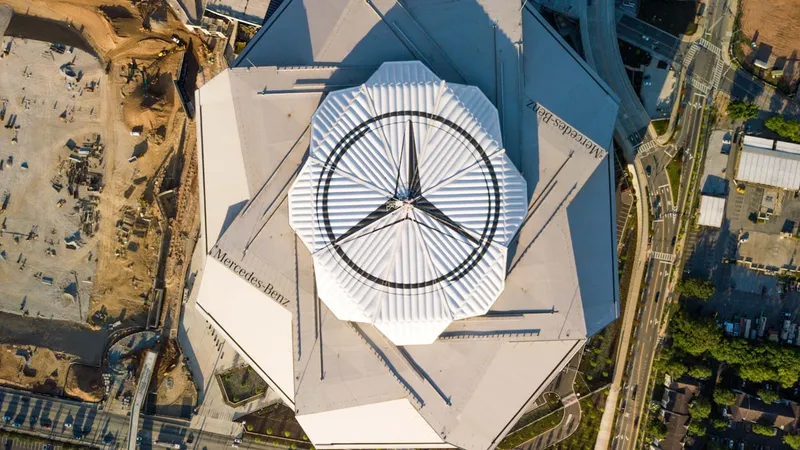
Mercedes-Benz Stadium in Atlanta is another major U.S. venue for the tournament. Known for its modern design and retractable roof, the stadium has hosted football, American football, concerts and major events.
Atlanta will host a semi-final, making it one of the most important U.S. host cities.
Key Details
| Detail | Information |
| Location | Atlanta, Georgia |
| Capacity | About 71,000 |
| Key stage | Semi-Final |
| Importance | One of the tournament’s biggest knockout venues |
4. SoFi Stadium — Inglewood, California
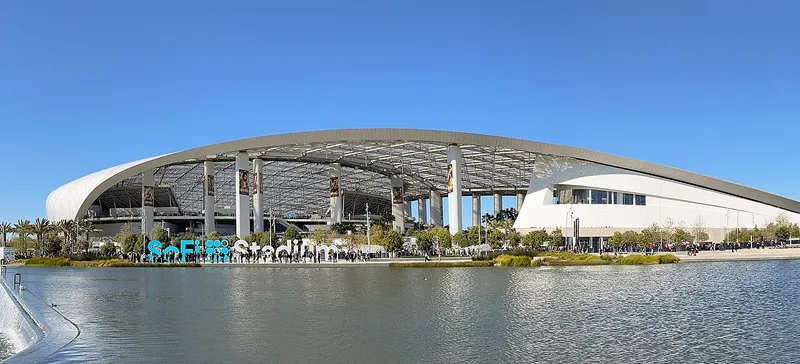
SoFi Stadium in Inglewood, near Los Angeles, is one of the most modern stadiums in the world. It will host World Cup matches in one of the biggest entertainment and sports markets in the United States.
Los Angeles is expected to be one of the most active fan destinations during the tournament.
Key Details
| Detail | Information |
| Location | Inglewood, California |
| Host region | Los Angeles |
| Capacity | About 70,240 |
| Key stage | Quarterfinal |
| Known for | Modern design and entertainment district setting |
5. Hard Rock Stadium — Miami Gardens, Florida
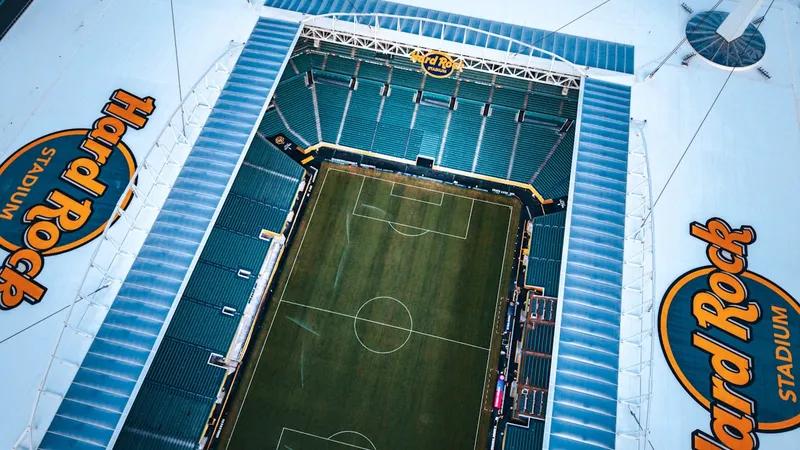
Hard Rock Stadium in Miami Gardens will host major World Cup matches, including the third-place match. Miami is expected to be one of the tournament’s most international host cities because of its strong football culture and links to Latin America, the Caribbean and global tourism.
Key Details
| Detail | Information |
| Location | Miami Gardens, Florida |
| Host region | Miami |
| Capacity | About 64,767 |
| Key stage | Third-Place Match |
| Importance | Major international fan destination |
6. Gillette Stadium — Foxborough, Massachusetts
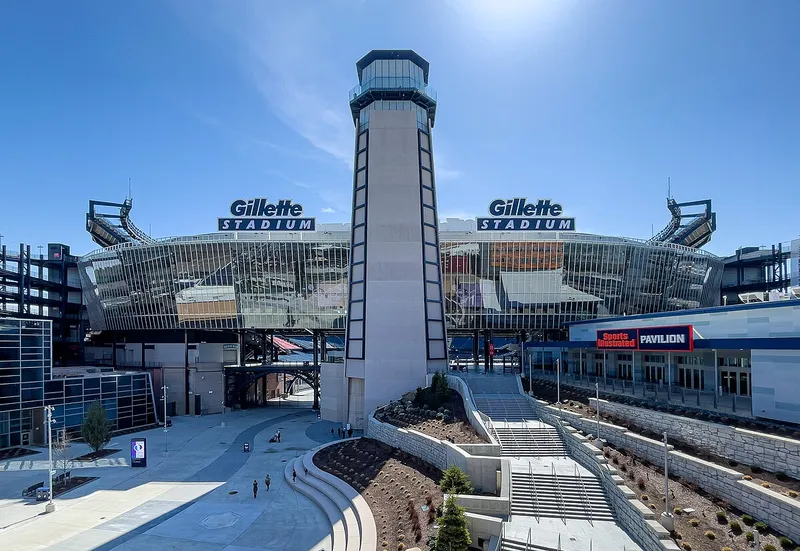
Gillette Stadium in Foxborough will represent the Boston host region. It is a familiar football venue and has hosted several major international matches over the years.
The stadium will host knockout-stage action, including a quarterfinal.
Key Details
| Detail | Information |
| Location | Foxborough, Massachusetts |
| Host region | Boston |
| Capacity | About 64,628 |
| Key stage | Quarterfinal |
| Importance | Major New England venue |
7. NRG Stadium — Houston, Texas
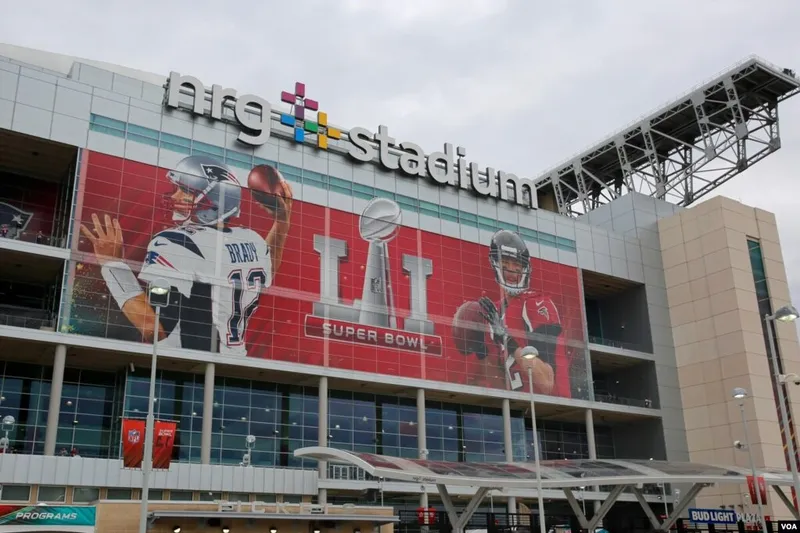
NRG Stadium in Houston will host group and knockout matches. Houston is one of the most diverse cities in the United States, making it a strong World Cup destination for international fans.
The city’s fan festival plans and football culture will make it one of the most active host locations.
Key Details
| Detail | Information |
| Location | Houston, Texas |
| Capacity | About 72,220 |
| Key stage | Round of 16 |
| Importance | Major southern U.S. host city |
8. Arrowhead Stadium — Kansas City, Missouri
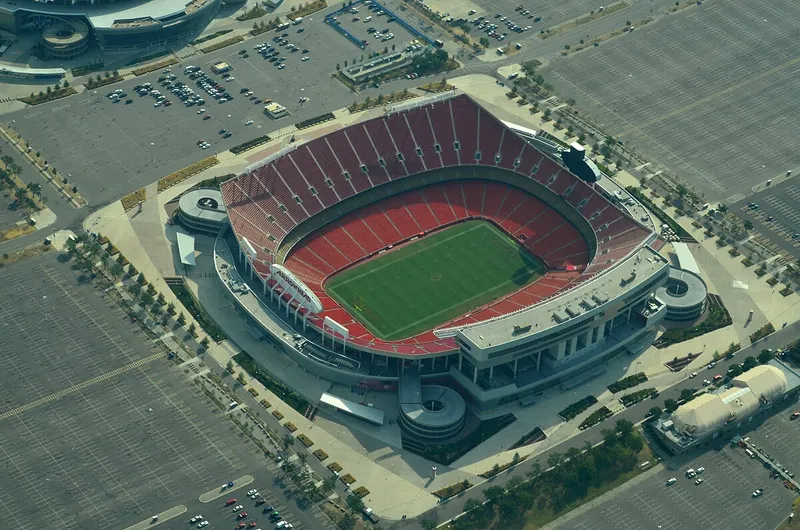
Arrowhead Stadium in Kansas City is one of the most recognizable sports venues in the United States. Known for its loud atmosphere, the stadium will host important World Cup matches, including a quarterfinal.
Kansas City’s selection is significant because it gives the tournament a strong Midwest presence.
Key Details
| Detail | Information |
| Location | Kansas City, Missouri |
| Capacity | About 76,416 |
| Key stage | Quarterfinal |
| Importance | Major Midwest World Cup venue |
9. Lincoln Financial Field — Philadelphia, Pennsylvania
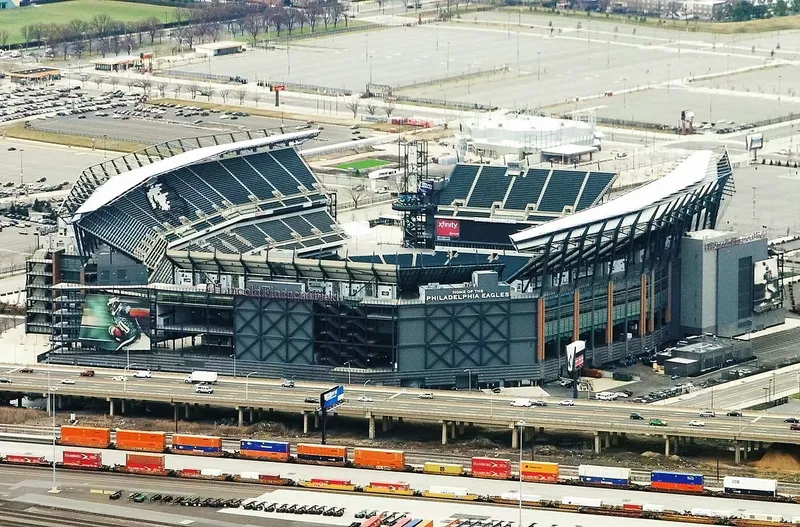
Lincoln Financial Field will host matches in Philadelphia, one of America’s most historic cities. The city will stage Round of 16 action and is also expected to host major fan activities.
Philadelphia’s role gives the tournament a strong presence on the U.S. East Coast.
Key Details
| Detail | Information |
| Location | Philadelphia, Pennsylvania |
| Capacity | About 69,796 |
| Key stage | Round of 16 |
| Importance | Historic East Coast host city |
10. Lumen Field — Seattle, Washington
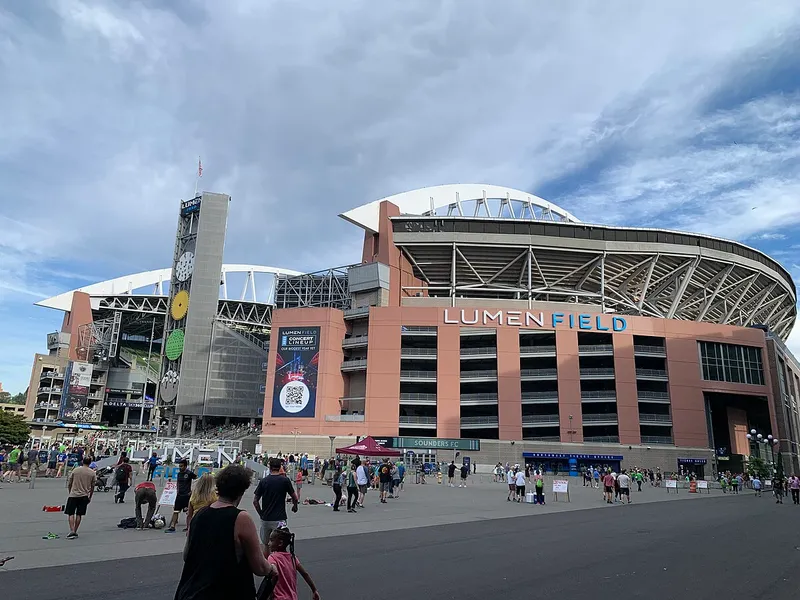
Lumen Field in Seattle is known for its passionate football atmosphere and strong local fan base. Seattle has one of the strongest soccer cultures in the United States, making it a natural World Cup host.
The stadium will host group-stage and knockout-stage matches.
Key Details
| Detail | Information |
| Location | Seattle, Washington |
| Capacity | About 68,740 |
| Key stage | Round of 16 |
| Importance | Strong football culture and Pacific Northwest setting |
11. Levi’s Stadium — Santa Clara, California

Levi’s Stadium in Santa Clara will host matches for the San Francisco Bay Area. The venue has hosted major sports events and will bring World Cup football to Northern California.
Key Details
| Detail | Information |
| Location | Santa Clara, California |
| Host region | San Francisco Bay Area |
| Capacity | About 68,500 |
| Key stage | Round of 32 |
| Importance | Northern California host venue |
Mexico World Cup 2026 Venues
Mexico will host matches in three cities: Mexico City, Monterrey and Guadalajara. The country’s role is historic because Mexico will become the first nation to host matches in three different men’s World Cup editions, after 1970, 1986 and 2026.
12. Estadio Azteca — Mexico City

Estadio Azteca is one of the most legendary stadiums in world football. It hosted the 1970 and 1986 World Cup finals and will now host the opening match of the 2026 tournament.
Its history includes some of football’s most famous moments, making it one of the most symbolic venues in World Cup history.
Key Details
| Detail | Information |
| Location | Mexico City |
| Capacity | About 87,523 |
| Key stage | Opening Match |
| Importance | One of football’s most historic stadiums |
13. Estadio BBVA — Monterrey
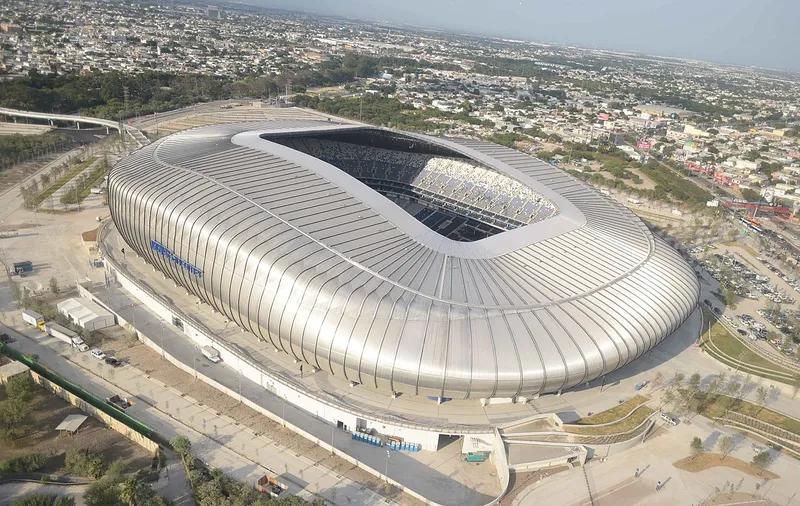
Estadio BBVA in Monterrey is one of Mexico’s most modern football stadiums. It is home to CF Monterrey and is known for its mountain backdrop and modern architecture.
The stadium will host group-stage matches during the tournament.
Key Details
| Detail | Information |
| Location | Monterrey, Mexico |
| Capacity | About 53,500 |
| Key stage | Group Stage |
| Importance | Modern Mexican football venue |
14. Estadio Akron — Guadalajara
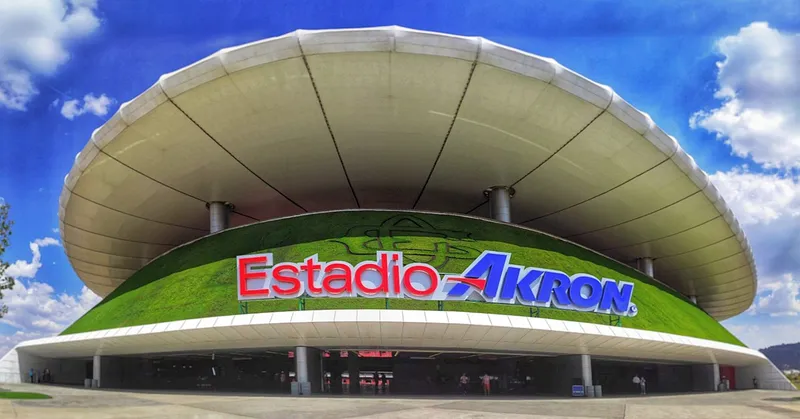
Estadio Akron in Guadalajara will also host group-stage matches. Guadalajara is one of Mexico’s great football cities and is home to Chivas, one of the country’s most famous clubs.
Key Details
| Detail | Information |
| Location | Guadalajara, Mexico |
| Capacity | About 49,850 |
| Key stage | Group Stage |
| Importance | Major Mexican football city |
Canada World Cup 2026 Venues
Canada will host World Cup matches in Toronto and Vancouver. The 2026 tournament will be Canada’s first time hosting matches at a men’s FIFA World Cup.
15. BMO Field — Toronto
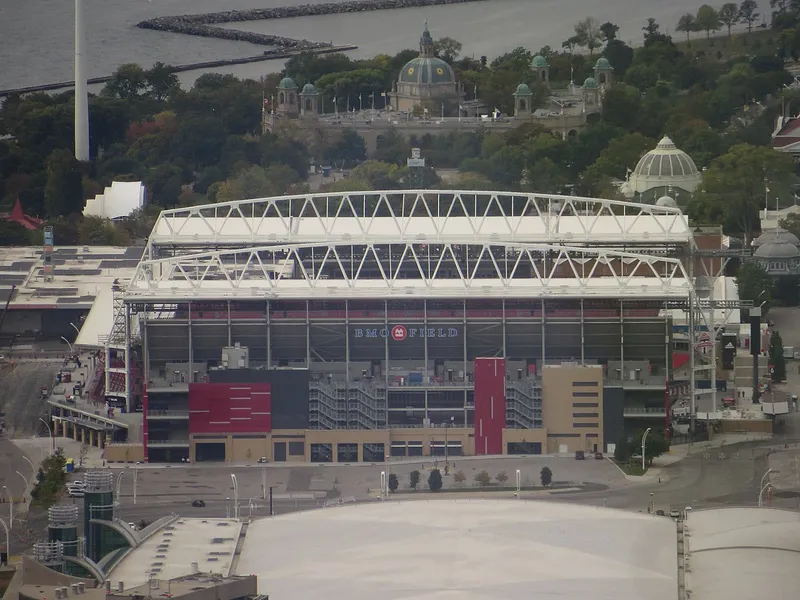
BMO Field in Toronto will host group-stage matches. Toronto is Canada’s largest city and one of the most multicultural cities in the world, making it an ideal World Cup host.
Key Details
| Detail | Information |
| Location | Toronto, Canada |
| Capacity | About 30,000 |
| Key stage | Group Stage |
| Importance | Canada’s largest city and major football market |
16. BC Place — Vancouver
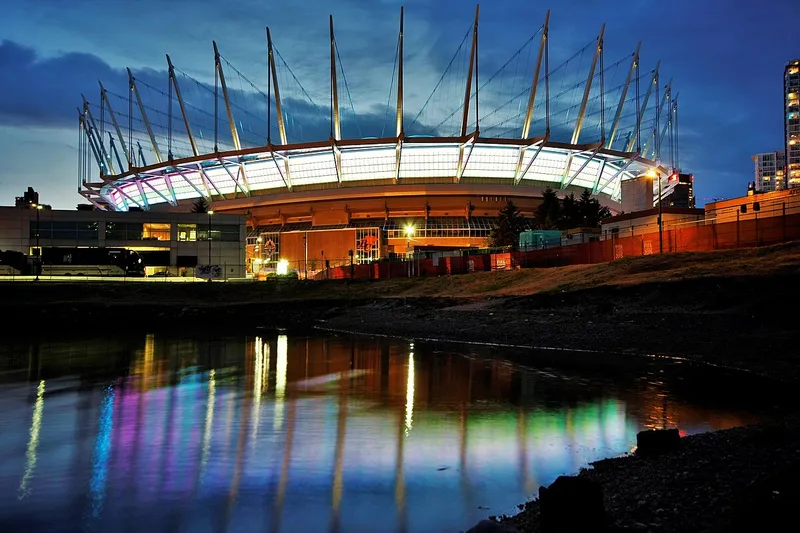
BC Place in Vancouver will host matches through the Round of 16. The stadium is one of Canada’s most important sports venues and gives the tournament a strong West Coast Canadian presence.
Key Details
| Detail | Information |
| Location | Vancouver, Canada |
| Capacity | About 54,500 |
| Key stage | Round of 16 |
| Importance | Major Canadian World Cup venue |
How the World Cup 2026 Format Works
The FIFA World Cup 2026 introduces a new format because the tournament has expanded from 32 teams to 48 teams.
The teams will be divided into 12 groups of four. Each team will play three group-stage matches. The top two teams from each group will advance, along with the eight best third-placed teams.
That creates a 32-team knockout stage.
World Cup 2026 Format Breakdown
| Stage | Teams / Matches | Dates |
| Group Stage | 12 groups of 4 teams | June 11–28 |
| Round of 32 | 32 teams, single elimination | June 29–July 2 |
| Round of 16 | 16 teams remain | July 4–7 |
| Quarterfinals | 8 teams remain | July 9–11 |
| Semi-Finals | 4 teams remain | July 14–15 |
| Third-Place Match | Losing semi-finalists | July 18 |
| Final | Last two teams | July 19 |
The new format creates more matches, more host-city activity and more opportunities for teams from different regions to participate.
Why the 48-Team Format Matters
The 48-team format changes the World Cup in several major ways.
First, more countries qualify. This gives more regions representation and allows more fans to see their national teams at the tournament.
Second, there are more matches. The tournament expands to 104 games, creating a longer schedule and more stadium activity.
Third, the knockout stage begins earlier. Instead of moving straight from the group stage to the Round of 16, the 2026 tournament adds a Round of 32.
Fourth, third-placed teams matter. Eight of the best third-placed teams will advance, which means some groups may remain competitive until the final day.
For fans, the format means more football, more drama and a wider tournament map.
World Cup 2026 Tickets
World Cup 2026 tickets are being sold through FIFA’s official ticketing platform. Fans should avoid unofficial sellers and always check FIFA’s official ticketing process before paying for any ticket.
Ticket prices vary by match, category, stage, stadium and availability. Lower-demand group-stage matches are usually cheaper than knockout matches, while the final is the most expensive match of the tournament.
Supporter entry and standard ticket categories are designed to provide different access levels, but availability may be limited.
World Cup 2026 Ticket Categories
| Category | Typical Position |
| Category 1 | Premium lower-bowl or best-view seats |
| Category 2 | Sideline upper or lower seating |
| Category 3 | Upper-tier or behind-goal seating |
| Category 4 | More affordable seats, often higher or corner areas |
Exact seating maps and prices can vary by stadium and match, so fans should confirm details during the official purchase process.
World Cup 2026 Hospitality Packages
Hospitality packages offer premium matchday experiences that usually include a ticket, upgraded seating, food and beverage service, exclusive lounges and additional services.
FIFA’s official hospitality provider offers different levels of premium access, from shared lounges to private suites.
Common World Cup Hospitality Options
| Package Type | What It Usually Includes |
| FIFA Pavilion | Shared hospitality lounge, food, drinks and match ticket |
| Champions Club | Premium club-level experience, food, drinks and strong seating |
| Trophy Lounge | More exclusive lounge access with fine dining and premium seats |
| VIP Suite | Private suite, dedicated service and full matchday hospitality |
| Pitchside Lounge | Premium pitchside experience and high-end hospitality |
Hospitality prices are usually much higher than standard tickets. Fans should buy only through official hospitality channels to avoid fraud.
World Cup 2026 Fan Festivals
World Cup 2026 fan festivals will give fans a place to watch matches even without a stadium ticket. These official public viewing spaces are expected to include giant screens, food, music, cultural programming and family-friendly activities.
Fan festivals are important because not every fan can get a match ticket. They also help host cities create a tournament atmosphere beyond the stadiums.
Fan Festival Locations by Host City
| Host City | Planned Fan Festival Area | Notes |
| New York/New Jersey | Liberty State Park, Jersey City | Full tournament celebration with skyline views |
| New York | Rockefeller Center | Knockout-stage public viewing and football-themed activities |
| Los Angeles | LA Memorial Coliseum | Opening festival and major public celebration |
| Atlanta | Centennial Olympic Park | Group-stage and Round of 32 fan activities |
| Philadelphia | Lemon Hill Park | Large free public viewing area |
| Kansas City | National WWI Museum and Memorial | Multi-day fan festival in a landmark setting |
| Miami | Bayfront Park | Waterfront fan festival with music and screenings |
| Boston | City Hall Plaza | Downtown outdoor screenings |
| Dallas | Fair Park | Historic park setting with major festival space |
| Seattle | Regional fan zones | Multiple fan zones across Washington state |
| Houston | EaDo District | Long-running festival near central sports areas |
| San Francisco Bay Area | To be confirmed | Fan festival venue details expected closer to the event |
| Toronto | Fort York and The Bentway | Cultural festival under “The World in the City” theme |
| Vancouver | PNE Grounds | Full-tournament public celebration |
| Mexico City | Zócalo | Opening match city festival in the historic square |
| Guadalajara | Plaza Liberación | Historic center festival with additional local fan zones |
| Monterrey | Parque Fundidora | Full-tournament fan festival in a major public park |
Fan festival details can change, so visitors should check official host-city announcements before traveling.
Best World Cup 2026 Cities for Fans
Different host cities will offer different experiences.
New York/New Jersey will be the destination for the final and major global media attention. Mexico City will be historic because it hosts the opening match at Estadio Azteca. Dallas and Atlanta will host semi-finals, while Miami will stage the third-place match.
For football culture, Mexico City, Guadalajara, Monterrey, Seattle and Toronto should attract passionate crowds. For tourism, Los Angeles, Miami, New York, Vancouver and San Francisco will be major destinations.
Best Stadiums to Visit During World Cup 2026
| Stadium | Why It Stands Out |
| Estadio Azteca | Historic opening match venue and World Cup icon |
| MetLife Stadium | Final venue near New York City |
| AT&T Stadium | Huge capacity and semi-final stage |
| Mercedes-Benz Stadium | Modern design and semi-final stage |
| SoFi Stadium | Luxury venue in Los Angeles |
| BC Place | Major Canadian venue in Vancouver |
| Lumen Field | Strong soccer atmosphere in Seattle |
| Estadio BBVA | Modern Mexican stadium with mountain views |
Travel Tips for World Cup 2026 Fans
World Cup 2026 will involve long travel distances, especially for fans following a team across multiple countries or regions.
Fans should plan early for:
- Flights
- Visas or travel authorization
- Accommodation
- Local transport
- Match tickets
- Fan festival access
- Stadium entry rules
- City-to-city travel
- Weather differences
- Mobile data and payment methods
Travel between some host cities can take several hours by air. Fans should not assume that all venues are close simply because they are in the same tournament.
Ticket Safety Tips
Fans should be careful when buying tickets.
Use these safety rules:
- Buy only from FIFA’s official ticketing channels
- Avoid social media sellers
- Do not send money to strangers
- Check ticket transfer rules
- Confirm match date, venue and category
- Avoid fake hospitality packages
- Keep payment records
- Watch for phishing emails
- Use official apps or platforms when required
Major tournaments attract scammers, so ticket safety is important.
World Cup 2026 and Tourism
The tournament is expected to bring major tourism activity across North America. Host cities will benefit from visitors booking hotels, restaurants, flights, tours, transport, fan events and cultural experiences.
The World Cup will also highlight each host country differently.
The United States will showcase massive stadium infrastructure and major cities. Mexico will emphasize football history and culture. Canada will use the tournament to strengthen its growing football profile.
Key Takeaways
- World Cup 2026 will be hosted by the United States, Mexico and Canada.
- The tournament will use 16 stadiums across 16 host regions.
- The United States has 11 venues, Mexico has three and Canada has two.
- MetLife Stadium in New Jersey will host the final.
- Estadio Azteca in Mexico City will host the opening match.
- The tournament expands to 48 teams for the first time.
- There will be 104 matches in total.
- The format includes 12 groups of four teams.
- The top two teams from each group advance, plus the eight best third-placed teams.
- A new Round of 32 begins the knockout stage.
- Official fan festivals will allow fans without match tickets to watch games in host cities.
- Tickets and hospitality packages should be purchased only through official channels.
Frequently Asked Questions
How many stadiums will host World Cup 2026?
World Cup 2026 will be hosted in 16 stadiums across the United States, Mexico and Canada.
Which countries are hosting World Cup 2026?
The United States, Mexico and Canada are co-hosting the FIFA World Cup 2026.
Which stadium will host the World Cup 2026 final?
MetLife Stadium in East Rutherford, New Jersey, will host the World Cup 2026 final.
Which stadium will host the opening match?
Estadio Azteca in Mexico City will host the opening match of the tournament.
How many teams will play in World Cup 2026?
A total of 48 teams will compete in the tournament.
How many matches will be played?
There will be 104 matches at the FIFA World Cup 2026.
What is the new World Cup 2026 format?
The tournament will feature 12 groups of four teams. The top two teams in each group and the eight best third-placed teams will advance to a 32-team knockout stage.
Which country has the most World Cup 2026 venues?
The United States has the most venues, with 11 host stadiums.
How many World Cup 2026 venues are in Mexico?
Mexico has three venues: Estadio Azteca in Mexico City, Estadio BBVA in Monterrey and Estadio Akron in Guadalajara.
How many World Cup 2026 venues are in Canada?
Canada has two venues: BMO Field in Toronto and BC Place in Vancouver.
Are World Cup 2026 fan festivals free?
Many official fan festivals are expected to offer free public access, but details may vary by host city and event date.
Where should fans buy World Cup 2026 tickets?
Fans should buy tickets only through FIFA’s official ticketing channels or official hospitality providers.
Conclusion
World Cup 2026 will be the biggest FIFA World Cup ever staged. With 48 teams, 104 matches and 16 stadiums across the United States, Mexico and Canada, the tournament will reshape how fans experience international football.
The venue map is historic. Mexico City’s Estadio Azteca will open the tournament, MetLife Stadium will host the final, and major cities such as Dallas, Atlanta, Los Angeles, Miami, Seattle, Toronto and Vancouver will help turn North America into a continent-wide football stage.
For fans, the tournament offers several ways to participate. Some will attend matches inside stadiums. Others will join official fan festivals, hospitality lounges or public viewing areas. Travelers will need careful planning because the distances between host cities are large and ticket demand will be high.
World Cup 2026 is not just another football tournament. It is the largest World Cup venue map ever, the first three-country edition, and the start of a new era for the world’s most watched sporting event.