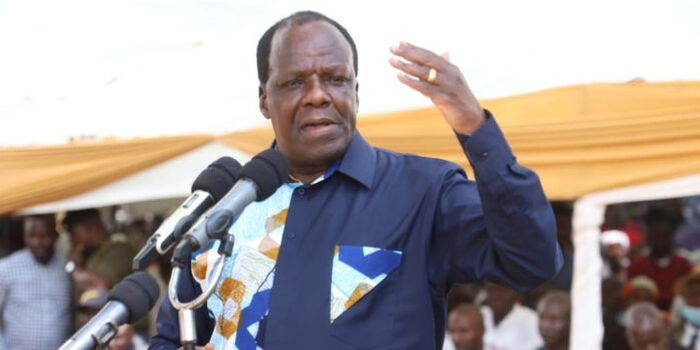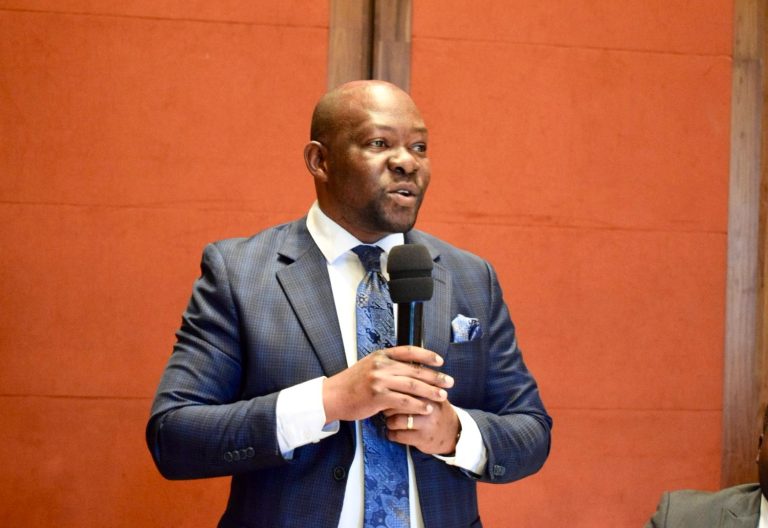
Saboti political history is one of the most important stories in Trans Nzoia County politics. The constituency is closely tied to Kitale town, the county headquarters, and has produced some of the most recognisable political figures in Western Kenya and the North Rift.
Before the modern Saboti identity became prominent, the area was historically associated with Kitale West. This earlier name is important because many of the leaders remembered in Saboti’s political journey first served under the Kitale West political identity.
The constituency later became known as Saboti, and from the late 1980s onward it developed a strong political character of its own. Its story includes Wafula Wabuge, Michael Kijana Wamalwa, Davis Nakitare, Eugene Ludovic Wamalwa, David Lazaro Wafula and Caleb Luyai Amisi.
Saboti is also politically unique because it has produced a Vice President, Cabinet-level leaders, opposition figures, youthful leaders and members of one of Kenya’s most influential political families.
Quick Facts About Saboti Political History
Saboti Constituency is an electoral constituency in Kenya. It is one of five constituencies in Trans-Nzoia County. The constituency was established for the 1988 election.
| Category | Details |
|---|---|
| Earlier political identity | Kitale West |
| Modern constituency | Saboti Constituency |
| County | Trans Nzoia County |
| Main urban centre | Kitale |
| Foundational Kitale West leader | Wafula Wabuge |
| Most famous former MP | Michael Kijana Wamalwa |
| Former Vice President linked to Saboti | Michael Kijana Wamalwa |
| Former Cabinet Secretary linked to Saboti | Eugene Ludovic Wamalwa |
| Current MP | Caleb Luyai Amisi |
| Key political family | Wamalwa family |
| Key political themes | Land, agriculture, urban growth, youth, education, roads and representation |
From Kitale West to Saboti
Saboti’s political roots are closely linked to Kitale West. This earlier constituency identity formed part of the foundation of parliamentary representation in the area before modern Saboti became the recognised constituency name.
Kitale West was associated with early post-independence politics in Trans Nzoia. At the time, the region was shaped by settlement history, agriculture, land ownership, ethnic diversity and the growth of Kitale town as an administrative and commercial centre.
Modern Saboti inherited this political foundation. That is why its history must be understood in two phases: the Kitale West era and the Saboti era.
The Kitale West phase produced leaders such as Wafula Wabuge and Michael Kijana Wamalwa. The modern Saboti phase later produced leaders such as Davis Nakitare, Eugene Wamalwa, David Lazaro Wafula and Caleb Amisi.
Kitale West and Saboti Members of Parliament
The following timeline captures the leadership associated with Kitale West and modern Saboti Constituency.
| Period | Leader |
| 1963–1979 | Wafula Wabuge |
| 1979–1988 | Michael Kijana Wamalwa |
| 1989–1992 | Wafula Wabuge |
| 1992–2003 | Michael Kijana Wamalwa |
| 2003–2007 | Davis Wafula Nakitare |
| 2007–2013 | Eugene Ludovic Wamalwa |
| 2013–2017 | David Lazaro Wafula |
| 2017–Present | Caleb Luyai Amisi |
Wafula Wabuge and the Kitale West Foundation
Wafula Wabuge is one of the foundational names in Saboti political history. He is remembered as a major figure of the Kitale West era and a politician closely connected to the early post-independence leadership networks of Western Kenya.
His long service from the 1960s to the late 1970s gave him a central place in the area’s political memory. During this time, Kenya was still building its national institutions, and MPs were expected to act as both national lawmakers and local development ambassadors.
Wabuge represented an era when politics was shaped by personal networks, party loyalty, local identity and access to national government. For rural and semi-urban communities around Kitale, representation was about roads, schools, land matters, agricultural support and administrative recognition.
His return in the late 1980s and early 1990s also shows his continued influence in the constituency’s politics. He remains an important bridge between the early Kitale West period and the later Saboti political era.
Michael Kijana Wamalwa: Saboti’s National Icon
Michael Christopher Kijana Wamalwa is the most famous political figure associated with Saboti. He served the constituency during different periods and later rose to become Kenya’s eighth Vice President.
Kijana Wamalwa first entered Parliament in 1979 after defeating the older political establishment. His election signalled a generational change in Kitale West politics. He was young, highly educated, eloquent and nationally visible.
Wamalwa became known as one of Kenya’s finest political orators. His style was polished, persuasive and memorable. He represented a brand of politics built around education, constitutionalism, reform, national unity and personal generosity.
During the multiparty struggle of the early 1990s, he became a major figure in Ford Kenya politics. After the death of Jaramogi Oginga Odinga, he later became party chairman, placing him at the centre of opposition politics.
In 1997, he contested the presidency, further raising Saboti’s national profile. Although he did not win, his candidacy confirmed his place among Kenya’s major political figures.
His greatest national moment came after the 2002 General Election, when the National Rainbow Coalition defeated KANU. Wamalwa became Vice President under President Mwai Kibaki in January 2003.
His death in August 2003 shocked the country and created a by-election in Saboti. For Saboti, Kijana Wamalwa remains more than a former MP. He remains a symbol of eloquence, ambition, national reach and political grace.
Davis Wafula Nakitare and the 2003 By-Election
Davis Wafula Nakitare became Saboti MP after the 2003 by-election that followed the death of Michael Kijana Wamalwa.
By-elections after the death of a major national figure are never ordinary. Saboti was mourning a Vice President while also choosing a new representative. The contest attracted national attention because many political observers wanted to see who would inherit Wamalwa’s political base.
Nakitare won the seat and served from 2003 to 2007. His leadership came during the early years of the Kibaki administration, when Kenya was experiencing political transition after the end of KANU’s long rule.
His term was important because he carried Saboti through the immediate post-Wamalwa period. He had to manage local expectations in a constituency still strongly shaped by the memory of its most famous leader.
Eugene Ludovic Wamalwa: Continuing the Wamalwa Legacy
Eugene Ludovic Wamalwa served as Saboti MP from 2007 to 2013. His election brought the Wamalwa family name back to the parliamentary seat.
As the younger brother of Michael Kijana Wamalwa, Eugene carried both opportunity and pressure. The Wamalwa name was respected in Saboti and across Western Kenya, but voters also expected him to build his own political identity.
Eugene is a lawyer by profession and later served in national government as a Cabinet Secretary in different ministries. His national career included roles in justice, water, devolution and defence.
His time as Saboti MP came after the disputed 2007 General Election, one of the most difficult moments in Kenya’s democratic history. The country later moved into coalition government and constitutional reform, culminating in the 2010 Constitution.
Eugene’s leadership therefore belongs to a period of national healing, constitutional change and political realignment.
For Saboti, his term continued the constituency’s tradition of producing leaders who move beyond local politics into national service.
David Lazaro Wafula and the 2013 Devolution Era
David Lazaro Wafula served as Saboti MP from 2013 to 2017. His election came during a major transition in Kenya’s political system.
The 2013 General Election was the first under the 2010 Constitution. It introduced governors, senators, women representatives and county assemblies as part of the devolved government structure.
This changed the role of MPs across Kenya. Before devolution, MPs were often seen as the main route to local development. After devolution, voters began to judge leadership through both constituency work and county government performance.
David Lazaro Wafula’s term therefore came at the start of the devolved era. He represented Saboti when the constituency was adjusting to new institutions, new development expectations and a new county political structure in Trans Nzoia.
His leadership remains part of the transition between the Wamalwa era and the current Caleb Amisi period.
Caleb Luyai Amisi and the Current Saboti Era
Caleb Luyai Amisi has served as Saboti MP since 2017. His election marked another generational shift in the constituency’s politics.
Amisi became known as one of the youthful MPs in the National Assembly. His rise reflected changing voter attitudes, especially among young people who wanted fresh voices, energy and stronger engagement with national issues.
He retained the seat in 2022, making him one of the few leaders in Saboti’s modern history to successfully defend the seat after the 2003 by-election period. This strengthened his political position and showed that he had built a strong base beyond his first term.
His leadership belongs to the current era of highly visible politics, where MPs are judged not only by local projects but also by their national voice, media presence, parliamentary activity and ability to speak on public issues.
As current MP, Amisi represents Saboti at a time when voters expect development in education, roads, youth empowerment, security, markets, water, land matters and public accountability.
The Wamalwa Family and Saboti Politics
No discussion of Saboti political history is complete without the Wamalwa family.
Michael Kijana Wamalwa became the family’s most celebrated political figure because of his parliamentary service, opposition leadership, presidential run and short service as Vice President. Eugene Wamalwa later carried the family name into Parliament and Cabinet.
The Wamalwa legacy is important because it connects Saboti to national politics. It also reflects the influence of education, law, oratory, family networks and public service in shaping leadership.
The family’s political story has also influenced wider Western Kenya politics, especially among Bukusu and Trans Nzoia communities.
For many voters, the Wamalwa name evokes leadership, generosity, national visibility and a period when Saboti produced one of the most admired politicians in Kenya.
Saboti and Kitale Town Politics
Saboti is closely connected to Kitale, the headquarters of Trans Nzoia County. This gives the constituency a unique political character compared with more rural constituencies.
Kitale brings urban issues into Saboti politics. These include business growth, markets, roads, housing, transport, land pressure, youth employment, informal settlements, security and public services.
At the same time, Saboti also has rural and agricultural communities. This means its MP must balance urban and rural priorities.
The constituency’s politics therefore combines town politics and village politics. Leaders must speak to traders, farmers, professionals, boda boda riders, teachers, churches, youth groups, women’s groups, residents’ associations and farming communities.
This diversity makes Saboti one of the most politically important constituencies in Trans Nzoia.
Agriculture, Land and Development in Saboti
Like much of Trans Nzoia, Saboti’s politics is deeply shaped by agriculture and land.
Trans Nzoia is one of Kenya’s major maize-producing regions. Voters in Saboti care about fertiliser prices, maize markets, farm inputs, rural roads, storage facilities and agricultural policy.
Land is also a major political issue because of the region’s history of settlement, migration and farming estates. Questions of ownership, subdivision, settlement schemes and urban expansion often influence local politics.
Development debates in Saboti also focus on education, health facilities, water, electricity, youth programmes and public infrastructure.
Any leader who wants to succeed in Saboti must understand both the economic and emotional weight of land and farming.
Saboti and Multiparty Democracy
Saboti political history mirrors Kenya’s wider democratic journey.
The constituency moved from the old Kitale West era through the one-party period, the rise of opposition politics, the return of multiparty democracy, the 2002 transition, the 2010 constitutional order and the current devolved era.
Michael Kijana Wamalwa played a major role in multiparty politics through Ford Kenya. Eugene Wamalwa later became active in national coalition politics. Caleb Amisi represents the current generation of multiparty competition and youthful political visibility.
This makes Saboti a useful case study in how Kenyan constituencies evolve with national political changes.
Why Saboti Political History Matters
Saboti political history matters because the constituency has shaped both Trans Nzoia politics and national politics.
It produced Michael Kijana Wamalwa, one of Kenya’s most eloquent and respected leaders. It later produced Eugene Wamalwa, who served in Cabinet. It has also elected leaders from different generations, reflecting voter willingness to shift between experience, family legacy, grassroots connection and youthful energy.
The constituency also matters because of its location. Hosting Kitale town gives it administrative, economic and symbolic importance in Trans Nzoia County.
For researchers, voters and students, Saboti’s history offers a strong example of how constituency politics can connect to national leadership, party movements, family legacy and local development needs.
Key Takeaways
- Saboti’s political roots are closely linked to Kitale West.
- Wafula Wabuge was one of the foundational leaders of the Kitale West era.
- Michael Kijana Wamalwa became the most famous leader associated with Saboti.
- Kijana Wamalwa served as Kenya’s Vice President in 2003.
- Davis Wafula Nakitare won the 2003 by-election after Wamalwa’s death.
- Eugene Ludovic Wamalwa served as Saboti MP from 2007 to 2013.
- David Lazaro Wafula represented Saboti from 2013 to 2017.
- Caleb Luyai Amisi has served as Saboti MP since 2017.
- Saboti is closely connected to Kitale, the headquarters of Trans Nzoia County.
- The Wamalwa family remains central to Saboti’s political memory.
- Agriculture, land, urban growth and youth issues shape Saboti politics.
- Saboti has produced leaders with strong national visibility.
Frequently Asked Questions
What is Saboti political history?
Saboti political history refers to the constituency’s leadership journey from its Kitale West roots to the modern Saboti Constituency in Trans Nzoia County.
What was Saboti called before?
Saboti’s earlier political identity is commonly linked to Kitale West.
Who was Wafula Wabuge?
Wafula Wabuge was one of the foundational leaders associated with Kitale West and early Saboti political history.
Who was Michael Kijana Wamalwa?
Michael Kijana Wamalwa was a former Saboti MP, Ford Kenya leader, presidential candidate and Kenya’s eighth Vice President.
When did Michael Kijana Wamalwa serve as Vice President?
Michael Kijana Wamalwa served as Kenya’s Vice President in 2003 until his death in August that year.
Who became Saboti MP after Kijana Wamalwa’s death?
Davis Wafula Nakitare became Saboti MP after winning the 2003 by-election.
When did Eugene Wamalwa serve as Saboti MP?
Eugene Ludovic Wamalwa served as Saboti MP from 2007 to 2013.
Who served as Saboti MP from 2013 to 2017?
David Lazaro Wafula served as Saboti MP from 2013 to 2017.
Who is the current MP for Saboti?
Caleb Luyai Amisi is the current Member of Parliament for Saboti.
Why is Saboti important in Trans Nzoia politics?
Saboti is important because it hosts Kitale, the county headquarters, and has produced nationally recognised leaders, including Michael Kijana Wamalwa and Eugene Wamalwa.
Conclusion
Saboti political history is a story of leadership, legacy and transformation. From its Kitale West roots to the modern Saboti Constituency, the area has remained central to Trans Nzoia politics.
Wafula Wabuge helped define the early political foundation. Michael Kijana Wamalwa elevated Saboti to national prominence through his eloquence, opposition leadership and service as Vice President. Davis Nakitare carried the constituency through the post-Wamalwa transition. Eugene Wamalwa continued the family’s political legacy and later served in Cabinet. David Lazaro Wafula represented the first phase of the devolved era, while Caleb Amisi now leads the constituency in the current political period.
Across these generations, Saboti has remained politically active, competitive and nationally visible.
For voters, researchers and students of Kenyan politics, Saboti political history offers more than a list of MPs. It tells the story of Kitale’s political identity, the Wamalwa legacy, youthful leadership, land and agriculture, and the changing demands of representation in Trans Nzoia County.
Read Also: Ruto Outlines UDA Unity Strategy for 2027