Cherangany political history is one of the most significant stories in Trans Nzoia County politics. The constituency began its parliamentary life under the name Kitale East before it was renamed Cherangany in 1988.
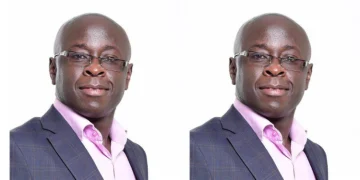
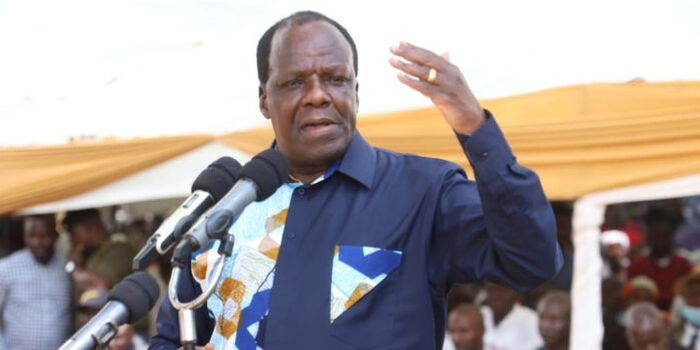
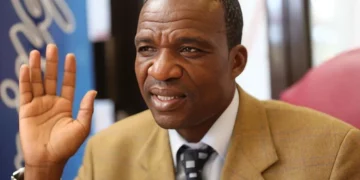
Its political journey has produced major national figures, including Masinde Muliro, Fred Omulo Gumo, Kipruto Arap Kirwa, Joshua Kuttuny, Wesley Korir and Patrick Simiyu Barasa. Each leader represents a different phase in the constituency’s evolution, from independence-era politics to the modern devolved system.
Cherangany’s history is also tied to land, farming, settlement, ethnic diversity, multiparty democracy and the politics of representation in the North Rift. Located in Trans Nzoia County, the constituency sits in one of Kenya’s most productive agricultural regions, making maize farming, livestock, roads, education and land issues central to its political life. Cherangany Constituency (also spelled Cherangani Constituency), comprises the larger Trans Nzoia East District; otherwise known as Cherangani Sub-County, with an approximate area of 556.9 square km. It is an electoral constituency in Kenya, which was established/created for the 1988 general election.
To understand Cherangany politics today, it is important to begin with Kitale East, the constituency identity that came before the 1988 boundary and naming changes.
Quick Facts About Cherangany Political History
| Category | Details |
|---|---|
| Original name | Kitale East Constituency |
| Current name | Cherangany Constituency |
| Year renamed/established as Cherangany | 1988 |
| County | Trans Nzoia County |
| Region | North Rift, Kenya |
| Foundational leader | Masinde Muliro |
| Notable former MP | Fred Omulo Gumo |
| Long-serving Cherangany MP | Kipruto Arap Kirwa |
| Athlete-politician MP | Wesley Korir |
| Current MP | Patrick Simiyu Barasa |
| Main economic activity | Agriculture, especially maize farming and livestock |
| Key political themes | Land, farming, roads, education, representation and devolution |
From Kitale East to Cherangany
Before 1988, the constituency was known as Kitale East. This older name is important because many of the earliest political records and leadership memories of the area refer to Kitale East, not Cherangany.
Kitale East was associated strongly with Masinde Muliro, one of Kenya’s most respected nationalist politicians. The area later underwent boundary and naming changes, and in 1988 the constituency became Cherangany.
This transition marked a new phase in Trans Nzoia politics. The constituency’s new name reflected changing electoral boundaries, new political alignments and the growth of local identity around Cherangany.
Because of this history, Cherangany political history must be read in two phases: the Kitale East era and the Cherangany era.
Kitale East and Cherangany Members of Parliament
The following timeline captures the parliamentary leadership associated with Kitale East and modern Cherangany.
| Period | Leader |
| 1963–1979 | Masinde Muliro |
| 1979–1983 | Fred Omulo Gumo |
| 1983–1988 | Masinde Muliro |
| 1988–1989 | Masinde Muliro |
| 1989/1990–2007 | Kipruto Arap Kirwa |
| 2007–2013 | Joshua Kuttuny |
| 2013–2017 | Wesley Korir |
| 2017–2022 | Joshua Kuttuny |
| 2022–Present | Patrick Simiyu Barasa |
Masinde Muliro and the Kitale East Foundation
Masinde Muliro is the most important foundational figure in Cherangany political history. He represented Kitale East from 1963 to 1979 and later returned from 1983 to 1988.
Muliro was more than a constituency politician. He was a national leader, freedom-era figure, teacher, organiser and one of the strongest voices for democracy in Kenya’s political history.
His leadership in Kitale East helped place Trans Nzoia politics on the national map. During the early post-independence years, Kenya was still building its parliamentary institutions, and leaders like Muliro carried the expectations of communities that wanted representation, development and justice.
Muliro’s politics was closely associated with courage, reform and public service. He often stood apart from the dominant political mood, especially when national politics became more centralised. His later role in the struggle for multiparty democracy made him one of Kenya’s most respected opposition figures.
For Cherangany, his legacy remains foundational. Even after the constituency was renamed, the memory of Kitale East continued to be linked to his name.
Fred Omulo Gumo and the 1979–1983 Period
Fred Omulo Gumo served as Kitale East MP from 1979 to 1983. His time in the constituency came during the early years of President Daniel arap Moi’s administration.
Gumo later became one of Kenya’s well-known political figures, especially in Nairobi politics. He served as Mayor of Kitale, later became MP for Westlands and also served as Minister for Regional Development Authorities.
His time in Kitale East is important because it shows how the constituency produced or hosted leaders who later became visible nationally.
The 1979–1983 period was also politically sensitive because Kenya was transitioning from the Kenyatta era into the Moi era. Political alignments were shifting, and leaders had to navigate a more centralised national environment.
Gumo’s leadership forms an important bridge between Masinde Muliro’s earlier dominance and the political contests that followed in the 1980s.
Masinde Muliro’s Return and the 1988 Transition
Masinde Muliro returned to the parliamentary scene after Gumo’s term and continued to play a central role in the politics of Kitale East.
In 1988, the constituency was renamed Cherangany. This was also the year of the controversial queue-voting election period, commonly remembered in Kenya as the mlolongo era.
Public records indicate that Muliro won the 1988 Cherangany contest, but the result was later nullified after an election petition. This created a by-election that opened the door for Kipruto Arap Kirwa.
Muliro later died in August 1992. His death came during the broader national struggle for multiparty democracy, where he remained a central figure.
This period is important because it marks the transition from the old Kitale East political identity into the modern Cherangany constituency structure.
Kipruto Arap Kirwa and the Long Cherangany Era
Kipruto Arap Kirwa became one of the longest-serving leaders in Cherangany political history. He entered Parliament after the 1988 election dispute and went on to serve through the 1990s and into the 2000s.
Kirwa’s leadership covered a major period in Kenya’s political evolution. He served during the late KANU era, the return of multiparty politics in 1992, the 1997 elections and the 2002 transition that brought Mwai Kibaki and the National Rainbow Coalition to power.
His national profile grew when he became Minister for Agriculture during the Kibaki administration. This role was important for Cherangany because the constituency sits in one of Kenya’s major farming regions.
Agriculture is central to Cherangany life. Farmers expect strong leadership on maize prices, fertiliser costs, storage, markets, farm inputs and rural roads. Kirwa’s Cabinet role therefore connected directly with the constituency’s economic identity.
His long service made him one of the most influential political figures from Trans Nzoia County.
Joshua Kuttuny and the 2007 Political Shift
Joshua Kuttuny first became Cherangany MP in 2007. His victory marked a generational shift after Kipruto Arap Kirwa’s long stay in Parliament.
The 2007 General Election was one of the most consequential elections in Kenya’s history. It produced a disputed presidential result, post-election violence and later the Grand Coalition Government. Cherangany, like many constituencies in the Rift Valley and Western Kenya, was affected by the wider national political climate.
Kuttuny entered Parliament as a younger leader with a strong public profile. His rise showed that Cherangany voters were ready for generational change and new political energy.
His first term ran until 2013, when the country held its first election under the 2010 Constitution.
Wesley Korir: From Marathon Champion to MP
Wesley Korir served as Cherangany MP from 2013 to 2017. His election was one of the most interesting political stories in Kenya because he was internationally known as a marathon runner before entering politics.
Korir had won major races, including the Boston Marathon, before moving into public leadership. His victory in Cherangany showed that voters were willing to consider candidates from outside the traditional political class.
The 2013 election was also the first under Kenya’s devolved constitutional order. This changed how constituencies operated. MPs now had to work alongside governors, senators, MCAs and county governments.
Korir’s tenure reflected this new era. His leadership was associated with public service, community development and the transition from athletic fame to political responsibility.
His time in Parliament remains a distinctive chapter in Cherangany political history because few Kenyan constituencies have elected a globally recognised athlete as MP.
Joshua Kuttuny’s Return in 2017
Joshua Kuttuny returned as Cherangany MP in 2017, defeating Wesley Korir and reclaiming the seat.
His comeback showed the competitive nature of Cherangany politics. It also demonstrated that political careers in Kenya rarely follow a straight line. Leaders can lose, reorganise and return if they maintain strong grassroots networks.
The 2017–2022 period was shaped by Jubilee Party politics, national realignments and debates around development, representation and loyalty within national political formations.
Kuttuny remained a visible public figure during this period. His second term strengthened his place as one of the major modern leaders in Cherangany politics.
Patrick Simiyu Barasa and the Current Era
Patrick Simiyu Barasa became Cherangany MP after the 2022 General Election. His victory marked another major shift in the constituency’s leadership.
Barasa represents the current phase of Cherangany politics under the 13th Parliament. His leadership comes at a time when voters expect visible development, active parliamentary engagement, bursary support, school infrastructure, roads, water projects, youth empowerment and accountability.
The 2022 election also showed that Cherangany remains politically competitive. Voters weighed party alignment, candidate strength, development promises and local accessibility.
As current MP, Barasa’s legacy will be judged by how well he responds to the constituency’s practical needs, especially agriculture, education, infrastructure and representation.
Cherangany and Trans Nzoia Politics
Cherangany is one of the key constituencies in Trans Nzoia County. It sits alongside other constituencies such as Kwanza, Kiminini, Saboti and Endebess.
Its political influence comes from its population, agricultural strength and history of producing nationally known leaders.
Trans Nzoia politics is often shaped by farming, land, ethnicity, party alignment and county development. Cherangany reflects all these themes. It is a constituency where local and national politics often meet.
A leader in Cherangany must speak to farmers, youth, professionals, traders, teachers, churches, women’s groups, elders and communities with different historical backgrounds.
This makes Cherangany one of the most politically sensitive and important constituencies in the county.
Agriculture and Land in Cherangany Politics
Agriculture is at the centre of Cherangany political history. The constituency is known for maize farming, livestock and rural production.
For many residents, politics is judged through everyday economic concerns. These include fertiliser prices, maize prices, farm inputs, roads, storage, extension services and access to markets.
Land is another important issue. Trans Nzoia’s history includes settlement schemes, large farms, migration, colonial land patterns and community competition over resources.
Because of this, Cherangany leaders must handle land and agriculture carefully. These issues are not only economic. They are also emotional, historical and political.
Multiparty Democracy and Political Competition
Cherangany’s political history reflects Kenya’s national democratic journey.
The constituency moved from the independence era under Masinde Muliro to the KANU-dominated period, then to the return of multiparty politics in 1992. It later experienced the 2002 transition, the 2010 Constitution and the modern devolved era.
Each phase produced a different type of leader.
Masinde Muliro represented nationalist courage and democratic struggle. Fred Gumo represented strong personality politics. Kipruto Kirwa represented long service and Cabinet-level influence. Joshua Kuttuny represented youthful political rise and comeback politics. Wesley Korir represented outsider appeal and public service beyond traditional politics. Patrick Simiyu Barasa represents the current voter demand for development and accountability.
This makes Cherangany political history a useful case study in how Kenyan constituencies change over time.
Why Cherangany Political History Matters
Cherangany political history matters because it connects local leadership with national transformation.
The constituency has been represented by leaders who were involved in major national moments: independence politics, the Moi era, multiparty activism, NARC reforms, the 2010 Constitution and the current devolved government system.
It also matters because Cherangany is part of Kenya’s agricultural heartland. The political choices made here affect not only representation but also the welfare of farming communities.
For voters, this history explains how leadership has evolved. For students and researchers, it provides a timeline of political change. For young people, it shows how local politics can connect to national leadership.
Key Takeaways
- Cherangany was initially known as Kitale East.
- The constituency was renamed Cherangany in 1988.
- Masinde Muliro was the foundational political figure associated with Kitale East.
- Fred Omulo Gumo served as MP from 1979 to 1983.
- Masinde Muliro returned before the constituency became Cherangany.
- The 1988 Cherangany election was followed by an election petition and a by-election.
- Kipruto Arap Kirwa became one of the longest-serving Cherangany MPs.
- Kirwa later served as Minister for Agriculture.
- Joshua Kuttuny first served from 2007 to 2013 and returned from 2017 to 2022.
- Wesley Korir, a former marathon champion, served from 2013 to 2017.
- Patrick Simiyu Barasa is the current MP for Cherangany.
- Agriculture, land, roads, education and development remain central to Cherangany politics.
Frequently Asked Questions
What is Cherangany political history?
Cherangany political history refers to the constituency’s leadership journey from its earlier identity as Kitale East to the modern Cherangany Constituency in Trans Nzoia County.
What was Cherangany called before?
Cherangany was formerly known as Kitale East Constituency.
When was Cherangany renamed?
Cherangany was established under its current name in 1988.
Who was the first major leader linked to Cherangany political history?
Masinde Muliro was the foundational leader associated with Kitale East, the predecessor of Cherangany.
Who served as Kitale East MP from 1979 to 1983?
Fred Omulo Gumo served as Kitale East MP from 1979 to 1983.
Who served as Cherangany MP after Masinde Muliro?
Kipruto Arap Kirwa became the key long-serving MP after the transition from the Muliro era.
When did Joshua Kuttuny serve as Cherangany MP?
Joshua Kuttuny served from 2007 to 2013 and later from 2017 to 2022.
Who was Wesley Korir?
Wesley Korir is a former marathon champion who served as Cherangany MP from 2013 to 2017.
Who is the current MP for Cherangany?
Patrick Simiyu Barasa is the current Member of Parliament for Cherangany Constituency.
Why is Cherangany important in Trans Nzoia politics?
Cherangany is important because it has produced nationally known leaders and remains central to Trans Nzoia’s agricultural, land and development politics.
Conclusion
Cherangany political history is a story of transformation from Kitale East to one of Trans Nzoia County’s most important constituencies. It begins with Masinde Muliro, a national democratic icon whose leadership shaped the constituency’s early identity.
Fred Omulo Gumo added another major name to the Kitale East era. Kipruto Arap Kirwa later became the dominant figure of the early Cherangany period and rose to national prominence as Minister for Agriculture. Joshua Kuttuny brought youthful energy and later returned for a second term. Wesley Korir gave the constituency a unique chapter as a world-class athlete turned MP. Patrick Simiyu Barasa now represents the current phase of Cherangany leadership.
Across these periods, Cherangany politics has remained deeply connected to agriculture, land, development and representation. Its history reflects the larger story of Kenya’s political evolution, from independence to multiparty democracy and devolution.
For voters, researchers and students of Kenyan politics, Cherangany political history offers a valuable record of leadership, change and local identity in the North Rift.
Read Also: Oburu Odinga Pledges to Guide ODM Supporters to Canaan via Singapore Model