Sirisia political history is one of the most important stories in Bungoma County politics. Created for the 1988 elections, Sirisia became a major parliamentary constituency in the larger Bukusu political landscape and has produced influential leaders who shaped both local and national politics.
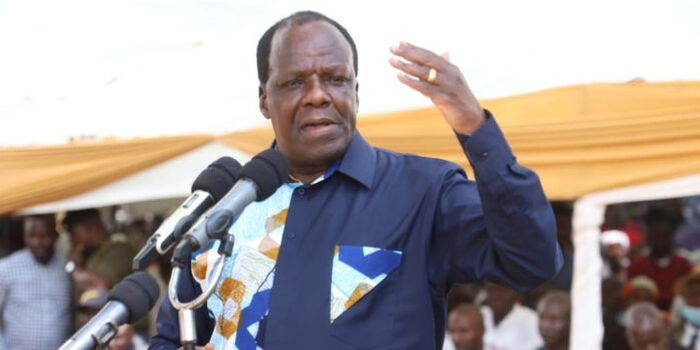
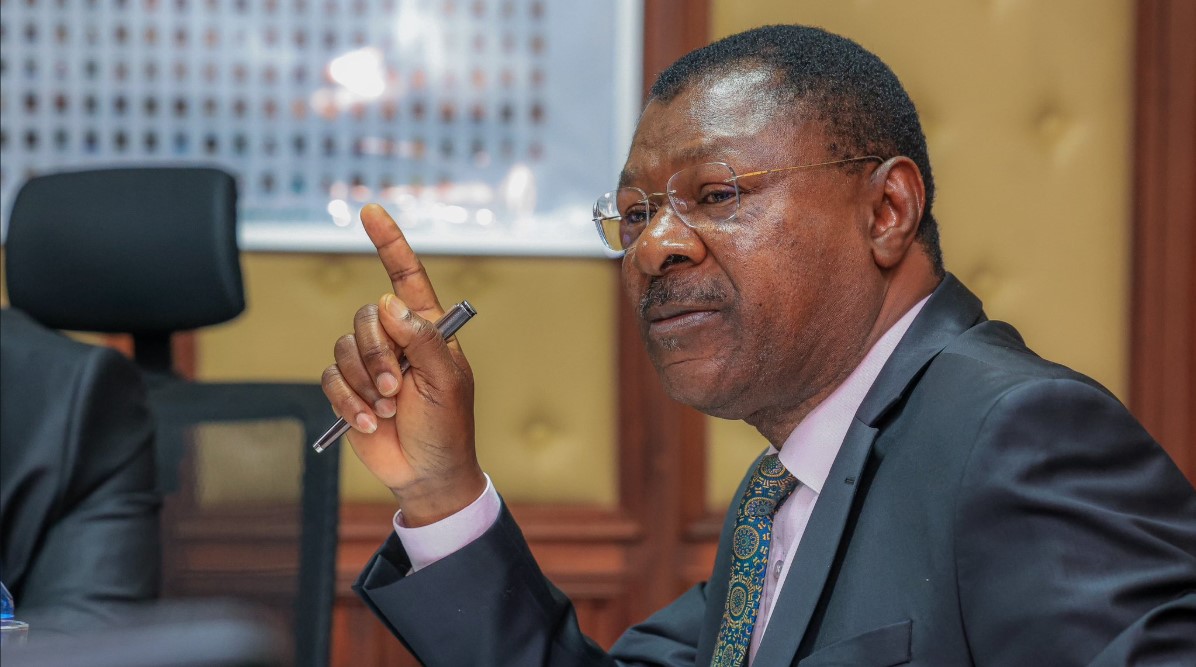
The constituency has been represented by Joseph Muliro, John Munyasia, Moses Masika Wetangula and John Koyi Waluke. Each leader represents a different phase of Sirisia’s political journey, from the late KANU era to multiparty democracy, devolution and modern constituency politics.
Sirisia’s story is also closely connected to Kabuchai Constituency, which was created in the 2013 electoral cycle after boundary reforms. Kabuchai gave another part of the wider region its own parliamentary voice, first through James Lusweti Mukwe and later through Joseph Majimbo Kalasinga.
Together, Sirisia and Kabuchai reflect the evolution of Bungoma politics: local identity, Bukusu leadership, party competition, national influence, development needs and the changing role of MPs under devolution.
Quick Facts About Sirisia Political History
| Category | Details |
|---|---|
| Constituency | Sirisia Constituency |
| County | Bungoma County |
| Region | Western Kenya |
| Established | 1988 elections |
| First listed MP | Joseph Muliro |
| Current MP | John Koyi Waluke |
| Notable former MP | Moses Masika Wetangula |
| National figure from Sirisia politics | Moses Wetangula, Speaker of the National Assembly |
| Constituency created from wider Sirisia region | Kabuchai Constituency |
| First Kabuchai MP | James Lusweti Mukwe |
| Current Kabuchai MP | Joseph Majimbo Kalasinga |
| Key political themes | Bukusu identity, agriculture, education, roads, cross-border trade, devolution and representation |
Sirisia Members of Parliament
The following timeline captures Sirisia’s parliamentary leadership since the constituency was created.
| Period | Member of Parliament |
| 1988–1992 | Joseph Muliro |
| 1992–2002 | John Munyasia |
| 2002–2013 | Moses Masika Wetangula |
| 2013–Present | John Koyi Waluke |
Joseph Muliro and the Birth of Sirisia Constituency
Joseph Muliro was the first listed MP for Sirisia after the constituency was created for the 1988 elections.
His leadership came during the final years of Kenya’s one-party political system. This was the era when KANU dominated national politics and parliamentary contests were shaped by party structures, local influence and access to government.
For Sirisia, the creation of the constituency was a major political milestone. It gave residents a more direct parliamentary voice and allowed local development priorities to be addressed with greater focus.
Muliro’s period was important because he helped establish Sirisia’s first parliamentary identity. The constituency needed leadership that could speak for local communities, push for roads, education, health services and agricultural support, and place Sirisia within Bungoma’s wider political map.
His term may have been short, but it remains foundational because he was part of the first generation of leaders under the Sirisia name.
John Munyasia and the Multiparty Transition
John Munyasia served as Sirisia MP from 1992 to 2002. His leadership began during one of the most important moments in Kenya’s political history: the return of multiparty democracy.
The 1992 General Election changed politics across the country. Voters had more choices, opposition parties became stronger, and constituencies became more competitive.
In Bungoma and much of Western Kenya, multiparty politics created new energy around parties such as Ford-Kenya and other opposition movements. Sirisia was part of this democratic shift.
Munyasia’s decade in Parliament therefore belongs to the early multiparty era. His service covered the 1992 and 1997 elections, when Kenyan politics was moving away from one-party dominance and toward more open competition.
His leadership helped carry Sirisia through a period of national transition, party realignment and changing voter expectations.
Moses Masika Wetangula and Sirisia’s National Profile
Moses Masika Wetangula served as Sirisia MP from 2002 to 2013, becoming one of the most nationally prominent leaders associated with the constituency.
His election in 2002 came during the National Rainbow Coalition wave, when Kenya ended KANU’s long rule and entered a new political chapter under President Mwai Kibaki.
Wetangula’s legal background, national visibility and political skill made him one of the leading figures from Bungoma County. During his time as MP, he rose to Cabinet-level positions, including service in foreign affairs and trade-related roles.
His leadership gave Sirisia national visibility. The constituency was no longer known only through local parliamentary representation; it became linked to one of the country’s most recognisable political figures.
After leaving the Sirisia parliamentary seat in 2013, Wetangula became Bungoma Senator. He later rose further to become Speaker of the National Assembly, one of the highest offices in Kenya’s constitutional order.
For Sirisia, Wetangula’s career is important because it shows how a constituency leader can move from local politics to county, national and parliamentary leadership.
John Koyi Waluke and the Current Sirisia Era
John Koyi Waluke became Sirisia MP in 2013 and has continued to serve in the current parliamentary era.
His election came during Kenya’s first General Election under the fully devolved system created by the 2010 Constitution. This was a major change in local politics. Voters were now electing MPs alongside governors, senators, women representatives and MCAs.
Waluke’s leadership belongs to the modern era, where MPs are judged by constituency development, NG-CDF projects, school support, public participation, roads, water, security and accessibility.
He has retained the seat across multiple elections, showing that he has maintained a strong political base in Sirisia. His long stay in office places him among the constituency’s major political figures.
His era is also shaped by intense party competition in Bungoma County, where Ford-Kenya, Jubilee, UDA, ODM and other political movements have influenced local races.
Kabuchai Constituency and the 2013 Boundary Change
Kabuchai Constituency became a separate parliamentary constituency in the 2013 electoral cycle. Its creation changed the political map of the wider Sirisia region and gave Kabuchai residents their own direct representation in Parliament.
Before Kabuchai became a separate constituency, the area was politically linked to the larger Sirisia arrangement. The creation of Kabuchai allowed development priorities to become more localised and gave voters a separate MP, NG-CDF structure and political identity.
This boundary change was important because it reduced the size of the political area that Sirisia MPs had to represent and gave Kabuchai its own platform for development concerns such as roads, education, markets, health facilities, farming and local infrastructure.
Kabuchai Members of Parliament
The following timeline captures Kabuchai’s parliamentary leadership since its creation.
| Period | Member of Parliament |
| 2013–2020 | James Lusweti Mukwe |
| 2021–Present | Joseph Majimbo Kalasinga |
James Lusweti Mukwe: First MP for Kabuchai
James Lusweti Mukwe became the first MP for Kabuchai after the constituency was created in 2013.
As the first representative, Lusweti carried the responsibility of setting up Kabuchai’s parliamentary identity. First MPs often play a major role in shaping how a new constituency understands itself, how development priorities are organised and how voters relate to the NG-CDF structure.
Lusweti served during Kabuchai’s first years as a constituency and helped establish its place in Bungoma politics. His leadership was tied to the early devolution period, when local voters were still adjusting to the new system of governors, senators, MCAs and constituency-level development structures.
He died in December 2020, creating a by-election that opened a new chapter in Kabuchai politics.
Joseph Majimbo Kalasinga and the Current Kabuchai Era
Joseph Majimbo Kalasinga became Kabuchai MP after the 2021 by-election and continued as the constituency’s representative after the 2022 General Election.
His leadership represents Kabuchai’s second political phase after the death of James Lusweti Mukwe. As current MP, Kalasinga leads a constituency that is still young but increasingly important in Bungoma County politics.
Kabuchai voters now judge leadership through modern expectations: school infrastructure, bursaries, roads, youth empowerment, women’s groups, markets, health facilities, agriculture, public participation and local accountability.
Kalasinga’s role is important because he is shaping Kabuchai after its founding decade. His tenure will influence how the constituency builds its identity beyond the first MP era.
Sirisia and Bukusu Political Identity
Sirisia is deeply connected to Bukusu political identity. The constituency sits in Bungoma County, one of the strongest centres of Bukusu politics, culture and leadership.
Bukusu politics has historically been shaped by clan networks, education, churches, land, agriculture, party loyalty, youth mobilisation and strong individual personalities.
Sirisia reflects all these themes. Its leaders have had to balance local identity with national political movements. Voters often consider party alignment, community interests, development record, personal accessibility and the ability of a leader to speak strongly for the constituency.
Moses Wetangula’s rise to national leadership also strengthened Sirisia’s connection to wider Bukusu and Western Kenya politics.
Sirisia and Border Politics
Sirisia is located in Bungoma County near the Kenya-Uganda border around Lwakhakha. This gives the constituency a unique political and economic character.
Border communities often deal with issues such as trade, security, movement of people, customs enforcement, cross-border markets and transport networks.
For Sirisia residents, the border is not just a line on a map. It affects livelihoods, business, family networks and local security. This makes cross-border trade and regional infrastructure important political issues.
Any MP for Sirisia must understand these concerns and push for policies that support local traders, farmers, transporters and border communities.
Agriculture and Local Development in Sirisia
Agriculture is central to Sirisia political history. Like much of Bungoma County, the constituency depends heavily on farming and rural livelihoods.
Residents care about maize prices, fertiliser costs, farm inputs, markets, rural roads, storage and extension services. These practical issues often influence political debate more than national slogans.
Education is another major concern. Voters expect MPs to support schools through NG-CDF, bursaries, classrooms, laboratories and other learning facilities.
Roads, electricity, water, health centres, youth employment and women’s economic empowerment also shape local political expectations.
This means Sirisia politics is not only about party competition. It is also about daily life, household income and access to services.
Devolution and the Changing Role of Sirisia MPs
The 2010 Constitution changed how voters view leadership in Sirisia.
Before devolution, MPs were often seen as the main route to local development. After devolution, county governments took responsibility for many services, including health, county roads, markets, early childhood education and local planning.
This changed the role of MPs. They still represent constituencies in Parliament and manage NG-CDF-related development, but they now work within a wider structure that includes governors, senators, MCAs and national government agencies.
John Waluke’s era has unfolded under this system. His performance is judged not only by parliamentary representation but also by constituency development and how well Sirisia benefits from both national and county resources.
Sirisia and Kabuchai in Bungoma Politics
Sirisia and Kabuchai are important in Bungoma politics because they reflect both old and new political identities.
Sirisia has a longer parliamentary history, beginning in 1988. It produced Moses Wetangula, one of the most nationally visible leaders from Bungoma County. It also has a current long-serving MP in John Waluke.
Kabuchai is younger, having become a separate constituency in the 2013 electoral cycle. Its first MP, James Lusweti Mukwe, helped establish the constituency’s foundation, while Joseph Majimbo Kalasinga now represents its current phase.
Together, the two constituencies show how boundary changes create new political spaces and allow communities to pursue more localised development priorities.
Political Parties and Electoral Competition
Party politics has played a major role in Sirisia and Kabuchai.
Sirisia began during the final years of KANU dominance. In the 1990s, multiparty democracy brought stronger competition. In the 2000s, coalition politics became central. After 2013, devolution and national alliances reshaped local elections.
Moses Wetangula became strongly associated with Ford-Kenya and broader Western Kenya politics. John Waluke has navigated changing party alignments while maintaining his hold on Sirisia. Kabuchai has also remained a competitive seat shaped by party identity, candidate strength and local networks.
In Bungoma, party loyalty matters, but voters also look at development, accessibility, clan networks, personal reputation and the ability to attract resources.
Why Sirisia Political History Matters
Sirisia political history matters because it reflects the wider journey of Bungoma County and Western Kenya politics.
The constituency has experienced the one-party era, multiparty democracy, the 2002 political transition, constitutional reform, devolution and modern coalition politics.
It has produced leaders with both local and national influence. Joseph Muliro helped establish the constituency. John Munyasia carried it through the early multiparty years. Moses Wetangula gave it national prominence. John Waluke has defined the current era.
Kabuchai’s creation adds another important chapter by showing how boundary reforms gave communities more direct representation.
For voters, students and researchers, Sirisia political history provides a useful record of leadership, constituency change and development politics in Bungoma County.
Key Takeaways
- Sirisia Constituency was created for the 1988 elections.
- Joseph Muliro was the first listed MP for Sirisia.
- John Munyasia served from 1992 to 2002 during the multiparty transition.
- Moses Masika Wetangula served as Sirisia MP from 2002 to 2013.
- Wetangula later became Bungoma Senator and Speaker of the National Assembly.
- John Koyi Waluke has served as Sirisia MP since 2013.
- Kabuchai Constituency became a separate constituency in the 2013 electoral cycle.
- James Lusweti Mukwe was the first MP for Kabuchai.
- Lusweti died in December 2020, leading to a by-election in 2021.
- Joseph Majimbo Kalasinga is the current MP for Kabuchai.
- Sirisia politics is shaped by Bukusu identity, agriculture, border trade and local development.
- Devolution changed how voters judge MPs and constituency leadership.
Frequently Asked Questions
What is Sirisia political history?
Sirisia political history refers to the leadership journey of Sirisia Constituency in Bungoma County from its creation in 1988 to the current John Waluke era.
When was Sirisia Constituency created?
Sirisia Constituency was created for the 1988 elections.
Who was the first MP for Sirisia?
Joseph Muliro was the first listed Member of Parliament for Sirisia Constituency.
Who served as Sirisia MP from 1992 to 2002?
John Munyasia served as Sirisia MP from 1992 to 2002.
When did Moses Wetangula serve as Sirisia MP?
Moses Masika Wetangula served as Sirisia MP from 2002 to 2013.
What national office does Moses Wetangula hold?
Moses Masika Wetangula is the Speaker of the National Assembly of Kenya.
Who is the current MP for Sirisia?
John Koyi Waluke is the current Member of Parliament for Sirisia Constituency.
When was Kabuchai Constituency created?
Kabuchai Constituency became a separate parliamentary constituency in the 2013 electoral cycle after boundary reforms.
Who was the first MP for Kabuchai?
James Lusweti Mukwe was the first MP for Kabuchai, serving from 2013 until his death in 2020.
Who is the current MP for Kabuchai?
Joseph Majimbo Kalasinga is the current Member of Parliament for Kabuchai Constituency.
Conclusion
Sirisia political history is a story of constituency formation, leadership transition and national influence. Since its creation in 1988, Sirisia has produced leaders who shaped both local and national politics. Sirisia Constituency is an electoral constituency in Kenya. It is one of nine constituencies in Bungoma County. The constituency was established for the 1988 elections.
Joseph Muliro helped establish the constituency’s early parliamentary identity. John Munyasia carried Sirisia through the early multiparty period. Moses Masika Wetangula gave the constituency national prominence through Cabinet, Senate and later the Speakership of the National Assembly. John Koyi Waluke now represents Sirisia in the modern devolved era.
Kabuchai’s creation in the 2013 electoral cycle added another chapter to this history. James Lusweti Mukwe became the first MP and helped build the constituency’s foundation, while Joseph Majimbo Kalasinga now leads its current phase.
For voters, students and researchers, Sirisia political history offers more than a list of MPs. It explains how Bungoma’s political identity, Bukusu leadership, border economy, agriculture, devolution and national party politics have shaped one of Western Kenya’s important constituencies.
Read Also: Polls Close in Uganda After Delays and Internet Blackout