Samuel Onyango Ayodo, a highly educated and respected figure in Kenya’s post-independence political landscape, enjoyed a rapid rise to prominence. But despite his brilliance, Ayodo’s reputation for pride and aloofness ultimately led to his downfall in Kabondo/Kasipul, where he was unseated by a lesser-known, modest rival, James Mbori Yogo.
The Brilliant Academic
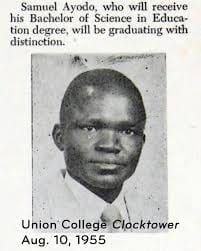
Ayodo was a trailblazing intellectual, among the early crop of Kenyan students sent abroad during the mid-20th century education airlifts. In 1955, he graduated with distinction in education from Union College in the United States, a rare achievement at the time.
His academic credentials and eloquence made him a favorite for leadership. When he returned home, he served as a teacher at Kisii High School, where he was noticed by Tom Mboya, who later brought him into the political fold.
From Teacher to Minister
With Mboya’s mentorship, Ayodo contested and won a parliamentary seat in Kasipul-Kabondo. He was later appointed as a cabinet minister, gaining national attention.
However, with political power came an aura of detachment. Ayodo developed a reputation for being too busy to attend to the concerns of his grassroots supporters. In Nairobi, when constituents asked why he no longer visited home, his typical reply was:
“Adich” — Luo for “I am busy”
This earned him the nickname “Ayodo Adich.”
The Fundraiser Incident: A Turning Point
One infamous episode that sealed his political fate occurred when James Mbori, a local resident, approached Ayodo to preside over a fundraiser for Saye Secondary School. Ayodo dismissed the request with a snide remark:
“I can’t come there. The bushes in Saye will scratch my car.”
This arrogant response infuriated the community. To many, it symbolized how disconnected their MP had become. The people of JoKasipul Kabondo rallied behind James Mbori Yogo, a modestly educated but humble man, urging him to challenge Ayodo in the next election.
Fall from Grace
In the ensuing general election, the Kasipul clan threw their weight behind Mbori. His authenticity, humility, and accessibility stood in stark contrast to Ayodo’s elitism. Mbori defeated Ayodo, unseating one of the most educated politicians of the time.
It became a classic example of how political arrogance can alienate the very people who uplift leaders, proving the age-old adage:
“Pride comes before a fall.”
Legacy and Reflection
Despite his political missteps, Samuel Ayodo remains a pioneering figure in Kenyan educational and political history. His early brilliance, academic distinction, and ministerial contributions are undeniable. Yet his downfall serves as a powerful lesson in humility, service, and the enduring power of grassroots politics.
In the end, Ayodo’s story is one of genius undermined by pride, a reminder to future leaders that connection with the people is as important as policy or pedigree.