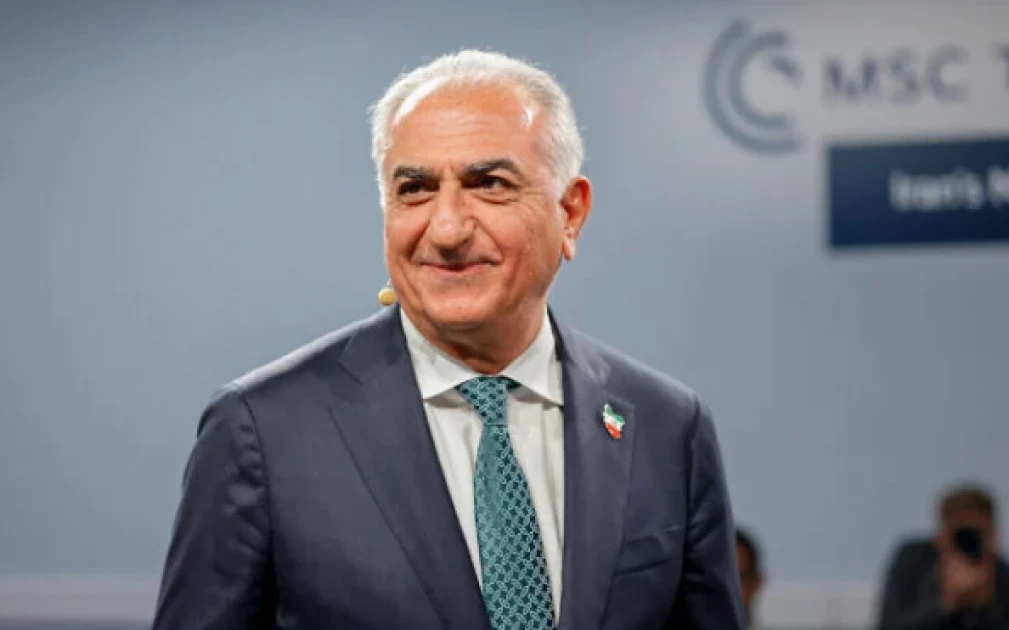
The Iran Transition Plan proposed by exiled opposition figure Reza Pahlavi has reignited debate over the country’s political future. The son of Iran’s last monarch says he stands ready to lead an interim government if the Islamic Republic collapses.
In a public statement, Pahlavi claimed preparations are already underway. He described a “Transitional System” designed to assume control immediately after regime change. However, the announcement raises complex questions about legitimacy, unity, and geopolitical consequences.
Iran Transition Plan Signals Preparedness
Pahlavi said he has identified individuals inside and outside Iran to fill key posts in an interim administration. According to him, this structure would restore order and safeguard freedoms during a transitional phase.
He emphasized that the proposed government would operate temporarily. Ultimately, Iranians would decide through elections or a national referendum whether to establish a republic or restore constitutional monarchy.
The Iran Transition Plan, therefore, positions Pahlavi not as an automatic monarch but as a facilitator of national choice. That framing seeks to broaden his appeal beyond royalist circles.
From Crown Prince to Opposition Figure
Reza Pahlavi became crown prince before the 1979 Iranian Revolution overthrew his father, Shah Mohammad Reza Pahlavi. The revolution led to the establishment of the Islamic Republic under clerical leadership.
Since then, Pahlavi has lived in the United States. Over decades, he emerged as one of the most recognizable opposition figures abroad. Recently, protests inside Iran have amplified diaspora activism, giving his platform renewed visibility.
Yet history complicates the narrative. The Pahlavi monarchy ended amid widespread dissent over political repression and inequality. Therefore, any transition proposal inevitably reopens debates about Iran’s pre-revolution legacy.
Support and Skepticism Divide Opinion
Large pro-monarchy rallies have appeared in Munich and across North America. These gatherings reflect growing diaspora frustration with Tehran’s leadership.
However, critics question whether Pahlavi can unify Iran’s fragmented opposition. Many reformists and secular activists resist monarchical symbolism. Others argue that decades in exile limit his connection to domestic realities.
International reactions remain cautious. While some Western policymakers view opposition figures as potential alternatives, others warn against external endorsement shaping internal Iranian politics.
The Challenge of Opposition Unity
Iran’s opposition spans monarchists, republicans, ethnic minority groups, and reformists. Without a shared roadmap, transitions risk instability. Consequently, the success of any Iran Transition Plan depends on coalition-building rather than personal declaration.
Regional and Global Implications
Iran occupies a central role in Middle Eastern geopolitics. It influences conflicts in Lebanon, Syria, Iraq, and Yemen. Therefore, any regime shift would ripple across regional power balances.
Energy markets would also react sharply. Iran holds significant oil and gas reserves. A stable transition could ease sanctions and reshape supply dynamics. Conversely, chaotic change could disrupt regional security and global pricing.
For African economies, particularly oil importers and exporters, Iranian stability matters. Countries such as Nigeria and Angola monitor OPEC shifts closely. Meanwhile, East African nations dependent on fuel imports would feel price fluctuations immediately.
Iran Transition Plan and Historical Comparisons
Transitions following entrenched regimes often unfold unpredictably. The Arab Spring demonstrated how power vacuums can lead to instability. Conversely, negotiated transitions in countries like South Africa showed the value of inclusive frameworks.
Iran’s case would likely demand internal consensus rather than external pressure. Without unified leadership, competing factions could deepen fragmentation.
Why This Matters
The Iran Transition Plan highlights growing uncertainty about Iran’s political trajectory. It signals that opposition forces are organizing, at least symbolically, for potential change.
However, declarations alone do not create transitions. Domestic legitimacy, institutional control, and public trust determine outcomes.
What Happens Next
For now, Iran’s political system remains intact. Internal dynamics, economic pressures, and public sentiment will shape future developments.
Meanwhile, Pahlavi continues positioning himself as a transitional figure. Whether that positioning translates into practical influence will depend on unity among opposition groups and shifts inside Iran itself.