Asbestos refers to a group of naturally occurring minerals made up of fine, flexible fibers. Due to its heat resistance, durability, and ability to insulate, asbestos was widely used in a variety of industries, particularly in construction materials and automotive products. Unfortunately, its fibers pose serious health risks when disturbed, leading to widespread bans and regulations.
The fibers are microscopic, making them easy to inhale or ingest. When this happens, they can lodge in the lungs or other tissues, causing serious diseases such as asbestosis, mesothelioma, and lung cancer. Today, although the use of asbestos has been heavily regulated, the risk remains, particularly in older buildings and products.
Types of Asbestos
There are six major types of asbestos, each with unique properties:
- Serpentine Asbestos
- Chrysotile (White Asbestos): The most common type, accounting for 90-95% of asbestos used in buildings. Its fibers are curly and flexible, often used in textiles, cement products, and insulation.
- Amphibole Asbestos
- Amosite (Brown Asbestos): Known for its strength and heat resistance, it was commonly used in cement sheets, pipe insulation, and insulating boards.
- Crocidolite (Blue Asbestos): The most hazardous type, crocidolite’s straight fibers are considered the most dangerous. It was used in high-temperature applications such as insulation and sprayed fireproofing.
- Tremolite, Anthophyllite, and Actinolite: These types are rarely used commercially but may be found as contaminants in other products, such as chrysotile insulation or vermiculite.
Health Hazards Associated with Asbestos Exposure
Asbestos is classified as a carcinogen, meaning it can cause cancer. Inhalation of asbestos fibers leads to severe health issues, often decades after exposure. Some of the primary health risks include:
- Asbestosis: A chronic lung condition characterized by scarring of lung tissue, which causes breathlessness and other respiratory problems.
- Mesothelioma: A rare and aggressive cancer that affects the lining of the lungs (pleural mesothelioma), abdomen (peritoneal mesothelioma), or heart (pericardial mesothelioma).
- Lung Cancer: Asbestos exposure significantly increases the risk of lung cancer, especially for smokers.
- Other Cancers: Asbestos exposure is also linked to cancers of the larynx, ovaries, and gastrointestinal system.
Symptoms may not appear until 20-30 years after exposure, which makes early detection and prevention critical.
Where Asbestos May Be Found
Asbestos was widely used in products manufactured before the risks were known. Common locations where asbestos-containing materials (ACMs) may be found include:
- Building Materials: Insulation, floor tiles, roofing shingles, joint compounds, and acoustic ceiling tiles.
- Automotive Components: Brake pads, clutch facings, and gaskets.
- Industrial Products: Insulation for boilers, turbines, and fireproofing materials in buildings.
- Consumer Products: Household items like hairdryers, toasters, and ironing board covers.
If a building was constructed before the 1980s, it is likely to contain ACMs. Professional assessments are necessary to confirm the presence of asbestos.
Safe Work Practices for Asbestos
Handling asbestos safely is essential to prevent exposure. The following guidelines should be followed in workplaces or environments where asbestos is present:
- Professional Assessment: Always hire certified asbestos professionals for inspection and testing. Visual inspection alone is insufficient, as asbestos fibers are too small to be seen with the naked eye.
- Avoid Disturbing Asbestos Materials: If you suspect the presence of asbestos, do not attempt to disturb it. Do not sweep, drill, or vacuum suspected materials. Only trained professionals with proper equipment should handle ACMs.
- Use Proper Personal Protective Equipment (PPE): Workers should wear respirators with HEPA filters, disposable coveralls, gloves, and protective boots when dealing with asbestos. This minimizes the risk of inhaling fibers or spreading them to other areas.
- Wet Methods: Use wet methods to dampen ACMs during removal or handling. This helps to reduce the amount of airborne fibers.
- Containment and Isolation: When working with asbestos, use barriers and isolation techniques to contain the work area. This prevents fibers from spreading to other parts of the building or environment.
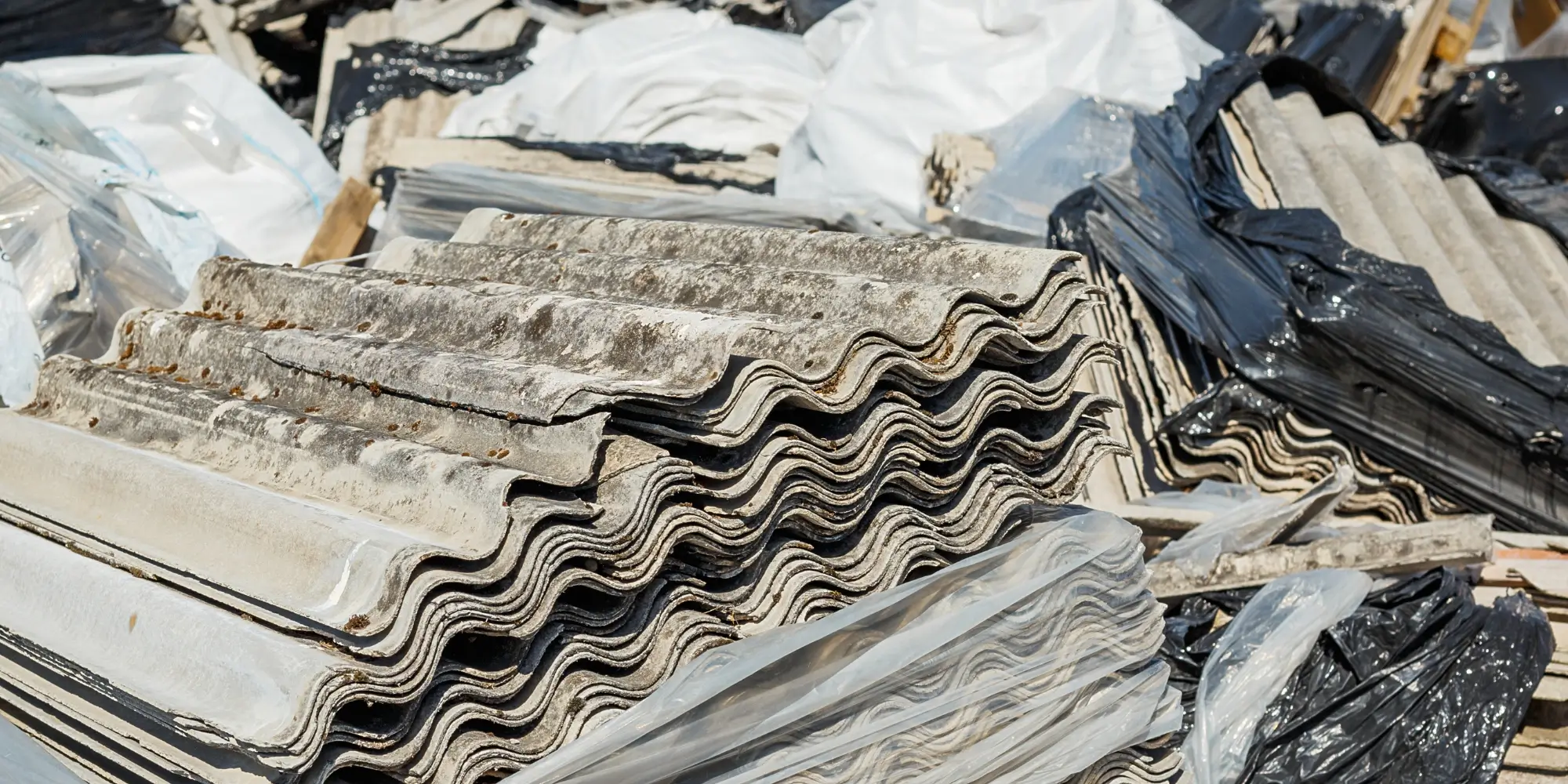
- Proper Disposal: Asbestos waste must be securely packaged, labeled, and disposed of at licensed facilities. Never dispose of asbestos in regular waste streams.
- Emergency Procedures: If asbestos is accidentally disturbed, evacuate the area immediately and contact professionals. Do not attempt to clean up the materials yourself.
- Training and Awareness: Workers must receive proper training on recognizing and handling asbestos. Regular refresher courses help ensure compliance and safety.
- Monitoring and Maintenance: Regularly inspect areas where asbestos is present to ensure it remains undisturbed and in good condition. If any damage occurs, report it immediately for professional evaluation.
- Compliance with Regulations: Adhere to local and national regulations regarding the handling, removal, and disposal of asbestos. This includes notifying authorities before starting work in asbestos-contaminated areas.
Legal and Regulatory Considerations
Many countries have strict laws regarding the use, handling, and disposal of asbestos. In the United States, for instance, OSHA sets permissible exposure limits for asbestos, and the EPA oversees the safe disposal of asbestos waste. In the UK, asbestos regulations require identification and management of ACMs, with stringent guidelines for removal and disposal.
Conclusion
Asbestos is a serious health hazard that remains prevalent in older buildings and products. Understanding the types of asbestos, recognizing where it can be found, and following safety protocols are essential steps to protect workers and the public from exposure. Always consult with trained professionals for asbestos testing, removal, and management, and follow legal requirements to ensure the safety of everyone involved.