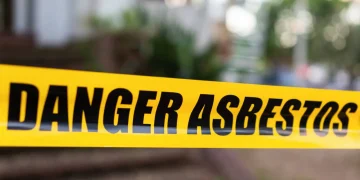
What’s Asbestos Testing?
Asbestos testing is the process of identifying the presence of asbestos in materials, air, or environments. It involves collecting samples from suspected asbestos-containing materials (ACMs) and sending them to accredited laboratories for analysis. This testing is essential for assessing health risks, ensuring compliance with safety regulations, and determining the necessary actions for safe management or removal.
When Should You Consider Asbestos Testing?
Asbestos testing should be conducted in specific situations to avoid exposure to hazardous fibers. Here are some key scenarios when testing is crucial:
1. Before Renovations or Demolition
- Why It Matters: Disturbing ACMs during renovations or demolition can release harmful asbestos fibers into the air.
- Action: Hire certified asbestos professionals to assess and test materials before starting any construction work.
2. Purchasing an Older Property
- Why It Matters: Older buildings, particularly those constructed before the 1980s, are more likely to contain asbestos.
- Action: Request an asbestos survey as part of your property inspection process.
3. Damaged Building Materials
- Why It Matters: Crumbling or deteriorating materials may release asbestos fibers into the air.
- Action: If you notice visible damage to materials, arrange for immediate professional testing.
4. Regulatory Compliance
- Why It Matters: In many industries and jurisdictions, it’s legally required to test for asbestos before certain types of work.
- Action: Ensure compliance with local regulations by conducting regular asbestos inspections.
Types of Asbestos Testing Methods
Accurate asbestos detection is essential for ensuring safety. There are several methods used to test for asbestos:
1. Visual Inspection
- Method: A professional inspector visually examines materials for signs of asbestos. This inspection helps identify areas that may require further testing.
- Limitations: It cannot definitively confirm the presence of asbestos but helps pinpoint materials that need sampling.
2. Bulk Sample Analysis
- Method: Suspected ACMs are collected and sent to a laboratory for analysis. Polarized Light Microscopy (PLM) is used to identify asbestos fibers and determine their concentration.
- Benefits: Provides a detailed analysis of the materials and confirms the presence of asbestos.
3. Air Sampling
- Method: Airborne asbestos fibers are measured in environments where exposure is possible. The air samples are analyzed using Phase Contrast Microscopy (PCM) or Transmission Electron Microscopy (TEM).
- Benefits: Assesses exposure risks by determining the concentration of airborne fibers.
4. Soil Testing
- Method: Soil around industrial sites or old buildings is tested for asbestos contamination.
- Benefits: Helps assess environmental exposure, especially in areas where asbestos may have been improperly disposed of.
DIY Asbestos Testing vs. Professional Services
DIY Asbestos Testing
- Pros: Typically less expensive upfront, convenient, and offers immediate action.
- Cons: Can expose you to safety risks, and DIY results may not be accepted by regulatory authorities. Improper sampling can lead to inaccurate results, and legal requirements may not be met.
Professional Asbestos Testing
- Pros: Ensures accurate results, provides safety during sampling, complies with legal standards, and includes expert advice on asbestos management.
- Cons: Generally more expensive than DIY kits, but the benefits far outweigh the risks.
Recommendation: Professional testing is highly recommended for safety, accuracy, and legal compliance. Always hire licensed and accredited asbestos inspectors for reliable results.
How Is Professional Asbestos Testing Conducted?
Professional asbestos testing is a detailed process performed by certified experts. Here’s what it entails:
1. Initial Assessment
- Site Evaluation: The inspector conducts a thorough walkthrough of the property, identifying materials that may contain asbestos.
- Planning for Sampling: Based on the inspection, a sampling plan is developed to collect samples from the identified materials.
2. Sample Collection
- Safety Protocols: The inspector uses specialized equipment and safety gear, including respirators and disposable coveralls, to minimize exposure.
- Minimizing Fiber Release: Suspected materials are wetted to reduce the likelihood of airborne asbestos fibers.
3. Laboratory Analysis
- Accredited Labs: The collected samples are sent to certified laboratories for analysis using techniques like Polarized Light Microscopy (PLM) and Transmission Electron Microscopy (TEM).
- Results: The lab reports identify the presence, type, and concentration of asbestos fibers.
4. Report Generation
- Detailed Findings: The lab provides a comprehensive report, including the identification of any ACMs, risk assessment, and recommendations for managing or removing the material.
- Compliance: The results align with local regulations to ensure legal compliance.
What to Do If Asbestos Is Found
If asbestos is discovered in your property, take the following steps to ensure safety:
1. Do Not Disturb the Material
- Avoid Touching or Moving: Disturbing asbestos materials can release harmful fibers into the air.
- Limit Access: Seal off the area and prevent others from entering.
2. Secure the Area
- Containment: Use plastic sheeting and tape to create barriers and prevent the spread of asbestos fibers.
- Signage: Place warning signs to alert others of the potential hazard.
3. Notify Relevant Parties
- Occupants and Employees: Inform anyone in the building of the asbestos discovery and the precautions being taken.
- Authorities: In some cases, you may need to report the findings to regulatory agencies.
4. Hire Certified Professionals
- Licensed Contractors: Engage licensed asbestos abatement professionals to handle the removal or management of the asbestos materials.
5. Follow a Remediation Plan
- Encapsulation or Removal: Based on the condition of the asbestos, professionals may recommend encapsulation (sealing) or full removal.
- Proper Disposal: Asbestos waste should be disposed of at approved hazardous waste facilities.
Conclusion
Asbestos testing is a vital step in managing asbestos exposure risks. Whether you’re renovating an old building, concerned about potential exposure, or dealing with damaged materials, professional testing ensures safety and compliance. Understanding the types of asbestos, the testing process, and the necessary steps for handling asbestos will protect your health and the well-being of everyone involved.
Remember: Always prioritize safety and seek professional advice when asbestos is suspected or discovered.