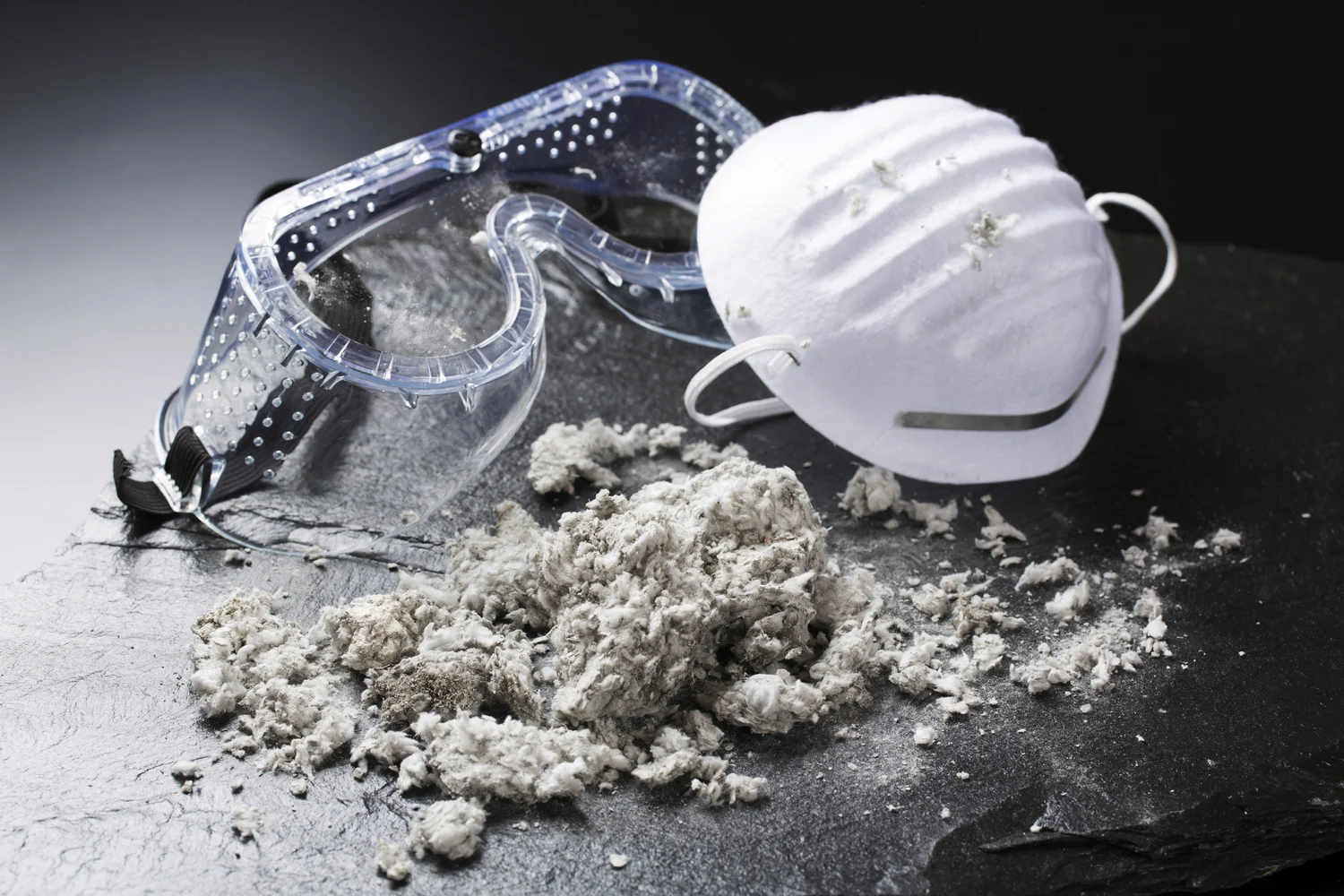
Asbestos exposure is a serious health concern that can lead to life-threatening diseases, most notably mesothelioma. Asbestos is a naturally occurring mineral that was once widely used in construction, automotive, and other industries due to its heat resistance and insulating properties. However, prolonged exposure to asbestos fibers, which are microscopic and easily inhaled, can lead to severe health issues, including mesothelioma, a rare and aggressive form of cancer.
Mesothelioma typically affects the lining of the lungs, but it can also develop in the abdomen or heart. The disease is often diagnosed many years after the initial exposure, which makes early detection and prevention crucial. Asbestos fibers become dangerous when disturbed, and when airborne, they can be inhaled or ingested, entering the body where they remain for years, causing damage to tissues and organs.
Although the use of asbestos has significantly decreased in recent years due to its health risks, exposure still occurs in certain occupations and environments. Understanding how asbestos exposure occurs, the risks associated with it, and the symptoms of mesothelioma is essential for both preventing the disease and seeking early treatment if necessary.
This article explains how asbestos exposure leads to mesothelioma, the risk factors involved, and the steps you can take to minimize exposure. It also explores the importance of safety protocols in industries where asbestos exposure remains a concern and outlines what to do if you suspect you have been exposed to asbestos.
Why Does Asbestos Cause Mesothelioma?
Asbestos fibers are uniquely dangerous due to their microscopic size and sharp, needle-like shape. When inhaled, these fibers can penetrate the lungs and become trapped in the mesothelium, a protective lining surrounding the lungs, abdomen, or heart. Over time, the body’s immune system attempts to remove these foreign particles, but it is unable to break them down completely. This results in chronic inflammation, scarring, and eventually the development of mesothelioma.
Mesothelioma is a form of cancer that attacks the mesothelium, and the connection between asbestos exposure and mesothelioma is well-established. The prolonged presence of asbestos fibers in the body triggers genetic mutations in the mesothelial cells, which can lead to cancer. Due to its slow progression, mesothelioma can take decades to develop after the initial exposure, often making it difficult to diagnose early.
How Does Asbestos Exposure Occur?
Asbestos exposure typically happens in environments where materials containing asbestos are disturbed. The following are common scenarios and occupations where exposure occurs:
- Construction: Workers involved in renovations or demolitions of older buildings that contain asbestos materials, such as insulation, roofing, or flooring.
- Shipbuilding: Asbestos was widely used for insulation on ships, particularly in engine rooms and boiler rooms.
- Automotive Work: Mechanics working with older vehicles containing asbestos brake pads, clutches, or gaskets.
- Asbestos Mining: Workers involved in the extraction of asbestos from mines are at the highest risk of exposure.
- Secondhand Exposure: Family members of workers exposed to asbestos can also inhale fibers brought home on clothing, hair, or skin.
These activities can cause the release of asbestos fibers into the air, which can then be inhaled or ingested, leading to potential health risks over time.
What Are the Chances of Getting Mesothelioma from Asbestos Exposure?
While not everyone who is exposed to asbestos will develop mesothelioma, certain factors increase the risk significantly. The following elements influence the likelihood of developing mesothelioma:
1. Intensity and Duration of Asbestos Exposure
The more frequent and prolonged the exposure, the higher the risk. Workers who have regular, intense contact with asbestos, such as those in construction or shipbuilding, are at the greatest risk. However, even intermittent exposure can increase the chances of developing mesothelioma over time.
2. Occupational Risks
Certain professions have a higher risk of asbestos exposure, including:
- Construction workers handling older buildings.
- Shipbuilders and military veterans exposed to asbestos in naval settings.
- Miners and factory workers involved in the production or handling of asbestos-containing materials.
3. Low-Level Exposure
Even low levels of asbestos exposure, especially over an extended period, can increase the risk of mesothelioma. This includes secondary exposure for family members of workers who bring home asbestos fibers on their clothing.
4. Genetic Factors
Research suggests that genetics may play a role in the development of mesothelioma. Some individuals may have a genetic predisposition that makes them more vulnerable to the cancer after asbestos exposure.
What Are the Symptoms of Mesothelioma?
Mesothelioma symptoms typically develop slowly, often years or decades after exposure to asbestos. The symptoms may vary depending on the location of the cancer, but common signs include:
- Shortness of breath: Often due to fluid buildup in the lungs.
- Persistent dry cough: A cough that doesn’t improve over time.
- Chest pain: Tightness or discomfort in the chest area, especially when breathing deeply.
- Fatigue: Unexplained tiredness that doesn’t improve with rest.
- Weight loss: Often accompanied by a loss of appetite.
- Swelling of the face or neck: Caused by fluid buildup or pressure from tumors.
- Difficulty swallowing: A sign of advanced mesothelioma that affects the digestive system.
If you experience any of these symptoms and have a history of asbestos exposure, it is important to consult with a healthcare provider for further evaluation.
Diagnosis of Mesothelioma
Diagnosing mesothelioma can be challenging due to its long latency period. Medical professionals typically use the following methods to confirm a diagnosis:
- Medical history: A review of potential asbestos exposure.
- Imaging tests: X-rays, CT scans, and MRIs can identify tumors or fluid buildup.
- Biopsy: A tissue sample is taken from the affected area to check for cancerous cells.
- Blood tests: Certain biomarkers may indicate the presence of mesothelioma.
Prevention of Mesothelioma
The best way to prevent mesothelioma is to minimize or eliminate exposure to asbestos. Prevention methods include:
- Workplace safety: Ensure industries at risk of asbestos exposure, like construction and shipbuilding, adhere to strict safety protocols.
- Asbestos inspections: Have homes and workplaces, especially older buildings, inspected for asbestos.
- Professional removal: If asbestos is present, it should be safely removed by certified professionals to prevent fiber release into the air.