Why is Asbestos Bad?
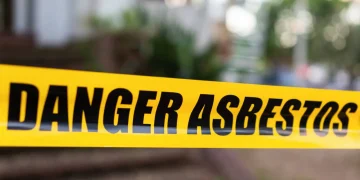
Asbestos, a naturally occurring mineral, was widely used for its fire resistance, durability, and insulation properties. However, it is now considered extremely hazardous, primarily due to the health risks associated with inhaling its fibers. Here’s why asbestos is bad:
1. Inhalation of Fibers
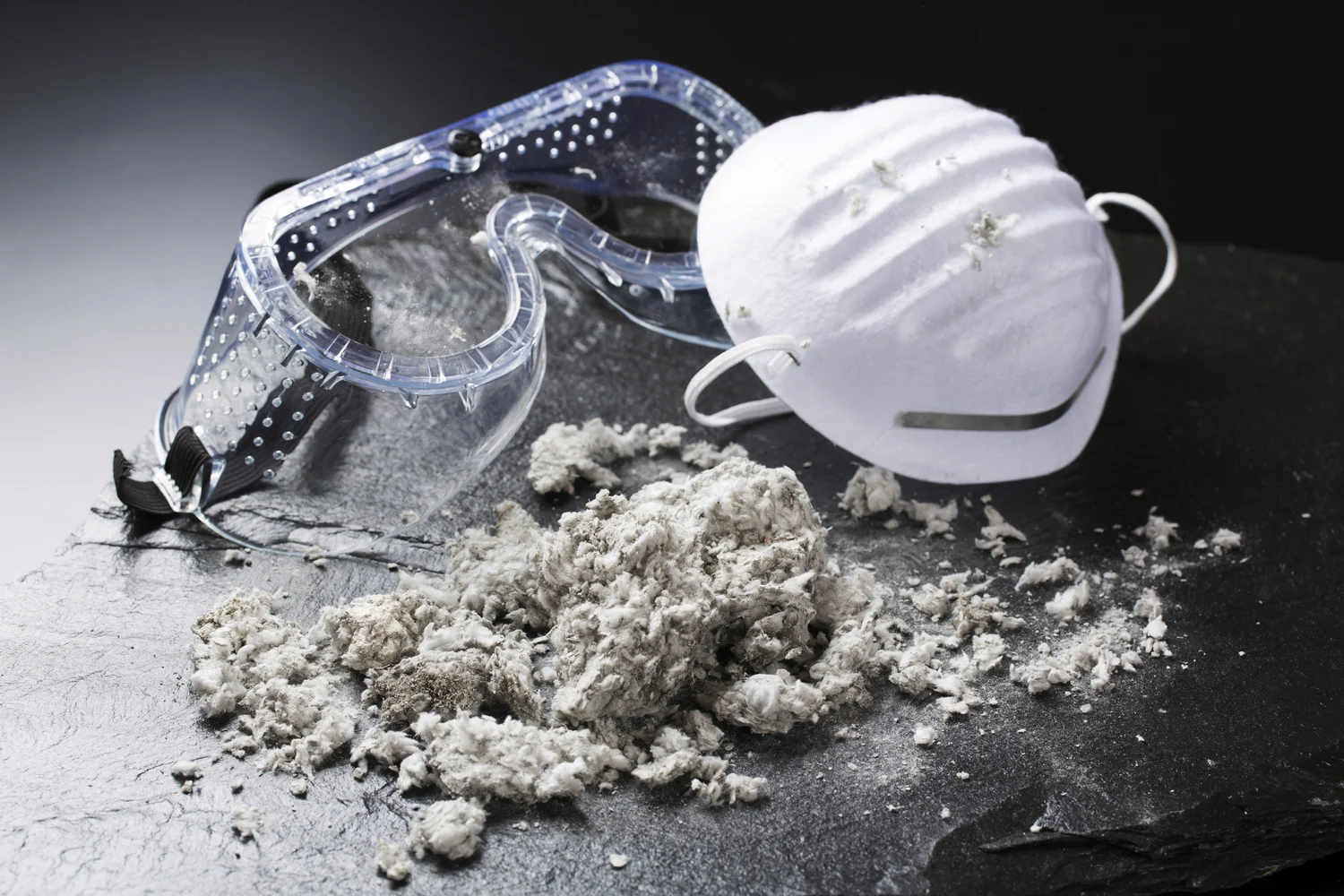
Asbestos is made up of microscopic fibers that can be released into the air when asbestos-containing materials (ACMs) are disturbed or damaged. These fibers are small and light, allowing them to remain airborne for extended periods, making them easy to inhale. Once inhaled, the fibers become trapped in the lungs, leading to severe health complications over time.
2. Development of Asbestos-Related Diseases
Asbestos exposure can lead to various fatal diseases. Some of the most common asbestos-related conditions include:
- Mesothelioma: A rare cancer affecting the lining of the lungs, abdomen, or heart.
- Lung Cancer: Increased risk due to prolonged exposure to asbestos fibers.
- Asbestosis: A chronic lung disease caused by scarring from asbestos fibers, resulting in breathing difficulties.
- Pleural Thickening: A condition where the lung lining thickens, making it harder to breathe.
3. Long Latency Period
One of the most concerning aspects of asbestos exposure is the long latency period for symptoms to appear. It can take decades for symptoms to manifest, making it difficult for individuals to recall or recognize their past exposure, complicating diagnosis and treatment.
4. No Safe Level of Exposure
Health experts agree that no level of asbestos exposure is safe. Even brief exposure to low levels of asbestos can lead to health complications later in life, emphasizing the importance of avoiding any contact with asbestos materials.
5. Ubiquity in Older Buildings
Asbestos was widely used in building materials during the 20th century. Homes and commercial buildings constructed before the 1990s often contain asbestos-containing materials, especially in insulation, roofing, flooring, and wall materials. When these materials are disturbed, asbestos fibers are released, posing significant risks to health.
6. Difficulty in Detection
Asbestos is difficult to detect with the naked eye. Its fibers are microscopic and odorless, and they cannot be identified by sight alone. Asbestos materials often look like other non-toxic materials, making professional testing essential for identifying its presence.
What is Asbestos Used For?
Asbestos was valued for its many useful properties, including heat resistance, fireproofing, and strength. It was used across various industries, some of which still have asbestos-containing products in use today. Here’s an overview of what asbestos was commonly used for:
1. Building and Construction Materials
Asbestos was extensively used in construction due to its insulating and fire-resistant properties. Common applications included:
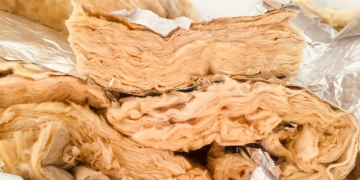
- Insulation: Asbestos was used in insulation materials for walls, attics, and pipes.
- Roofing and Siding: Asbestos cement sheeting and shingles were used for their durability and fire resistance.
- Ceiling Tiles and Floor Tiles: Asbestos-containing tiles provided strength and fire resistance.
- Drywall and Joint Compounds: Asbestos was mixed into drywall compounds to strengthen the material and enhance fire resistance.
2. Fireproofing and Heat Resistance
Asbestos’s high resistance to heat and fire made it an ideal material for fireproofing applications, including:
- Steel Fireproofing: Asbestos coatings were applied to steel frames in skyscrapers and other large buildings for added fire protection.
- Protective Clothing: Firefighters and other workers in high-temperature environments used asbestos-laden clothing to protect against burns and heat damage.
- Automotive Parts: Asbestos was used in brake pads, clutches, and gaskets, which require durability and heat resistance.
3. Chemical Industry
Asbestos’s resistance to chemicals made it useful in the chemical industry for:
- Acid-Resistant Gaskets: Asbestos was used in gaskets to create seals that could withstand chemical exposure.
- Filters: Asbestos fibers were used in filtration systems for chemical processes, where they could filter impurities while resisting degradation.
4. Electrical Insulation
Due to its non-conductive nature, asbestos was used to insulate electrical wires and components, reducing the risk of electrical fires and electrocution.
5. Shipbuilding
Asbestos was used extensively in shipbuilding, especially for:
- Insulation: Asbestos was applied to pipes, boilers, and engine rooms to provide heat resistance on ships.
- Fireproofing: Ships were coated with asbestos to provide extra protection from fire hazards.
6. Automotive Industry
Asbestos was used in various automotive components, including:
- Brake Pads: Asbestos was mixed into brake pads for its heat-resistant properties.
- Clutches: Asbestos was used in clutches for its ability to withstand high friction and heat.
7. Consumer Goods
Surprisingly, asbestos was even used in consumer products such as:
- Hairdryers: Older hairdryers used asbestos for heat resistance.
- Popcorn Poppers: Some models of popcorn poppers also contained asbestos to manage high heat.
8. Cement and Concrete Products
Asbestos was added to cement and concrete to increase their strength and fire resistance. Asbestos-containing concrete products were used for durable, fire-resistant building materials.
9. Pipe Insulation
In both residential and industrial settings, asbestos was used to insulate pipes, providing heat retention and fire protection.
Conclusion
Asbestos, once widely used for its many beneficial properties, is now recognized as a significant health hazard. Despite its useful applications, the long-term exposure to asbestos fibers can lead to serious diseases such as mesothelioma, asbestosis, and lung cancer. Understanding why asbestos is bad and knowing where it was used is crucial for anyone involved in building maintenance, renovation, or demolition.
If you suspect that your building may contain asbestos, it is vital to seek professional help for testing, removal, and safe handling. Awareness, caution, and proper safety measures can help protect against the hidden dangers of asbestos and ensure a safer environment for everyone.
Disclaimer: This article is for informational purposes only and should not be considered as medical or legal advice. Always consult with a certified professional for asbestos testing and abatement services.