Asbestos, once a popular insulation material, has been largely replaced by cellulose insulation due to its hazardous health effects. If you live in an older home or are considering renovations, it’s important to know how to distinguish between asbestos and cellulose insulation. While both can appear similar at first glance, they have significant differences that can affect the safety of your home. This guide will help you identify the two and understand their implications.
Differences Between Asbestos and Cellulose Insulation
To properly assess the risk in your home, it’s essential to recognize the differences between cellulose and asbestos insulation.
1. Asbestos Insulation
Asbestos is a naturally occurring mineral that was widely used in insulation for its heat resistance and durability. Asbestos insulation typically has the following characteristics:
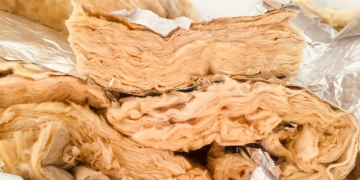
- Appearance: Asbestos insulation can appear as pebble-like material in shades of grayish brown, silver-gold, or white. It is fibrous and brittle when disturbed.
- Health Risks: Asbestos is known for causing serious health issues, including mesothelioma, lung cancer, and asbestosis. Inhaling asbestos fibers can lead to long-term respiratory problems, often surfacing decades after exposure.
- Historical Usage: Asbestos was widely used in construction from the 1950s until the late 1980s, primarily for fireproofing, insulation, and soundproofing. If your home was built before 1990, there is a chance that asbestos insulation could be present.
2. Cellulose Insulation
Cellulose insulation is an eco-friendly alternative to asbestos, primarily made from recycled paper, cardboard, or plant fibers. It is treated with fire retardants to enhance its fire resistance. Here are its characteristics:
- Appearance: Cellulose insulation looks like shredded paper or grayish fibers. It may be loose-fill or blown into wall cavities and attics.
- Health Risks: Cellulose insulation is generally safe, but it can pose risks if it absorbs moisture, leading to mold growth or decay. It does not carry the same long-term health hazards as asbestos.
- Environmental Impact: Cellulose insulation is made from recycled materials, making it more eco-friendly than asbestos. It also provides good thermal and soundproofing performance.
Health Effects of Asbestos Insulation
Asbestos exposure is hazardous, and even minimal exposure can lead to life-threatening diseases. Here’s how asbestos affects your health:
- Mesothelioma: A rare but aggressive cancer affecting the lining of the lungs and abdomen, almost exclusively caused by asbestos exposure.
- Lung Cancer: Inhaling asbestos fibers significantly increases the risk of developing lung cancer.
- Asbestosis: Chronic lung disease that causes inflammation and scarring of lung tissue, leading to shortness of breath and persistent coughing.
If you suspect asbestos insulation in your home, it’s important to have it professionally tested and handled.
How to Identify Asbestos Insulation
Here are some tips for identifying whether insulation in your home contains asbestos or cellulose:
- Check for Age of the Building: If your home was built or renovated before the 1980s, asbestos insulation is more likely to be present.
- Examine the Texture: Asbestos insulation typically has a pebbled, granular texture and appears in colors ranging from grayish-brown to silvery-gold. Cellulose insulation, on the other hand, looks like shredded paper or fibers.
- Perform a Moisture Test: Asbestos insulation is more likely to be brittle and break apart when disturbed, whereas cellulose is more flexible. However, cellulose can absorb moisture, so be mindful of any potential mold growth.
Safe Handling and Removal of Asbestos Insulation
If you discover that your insulation contains asbestos, it’s crucial to avoid disturbing it. Here’s what you should do:
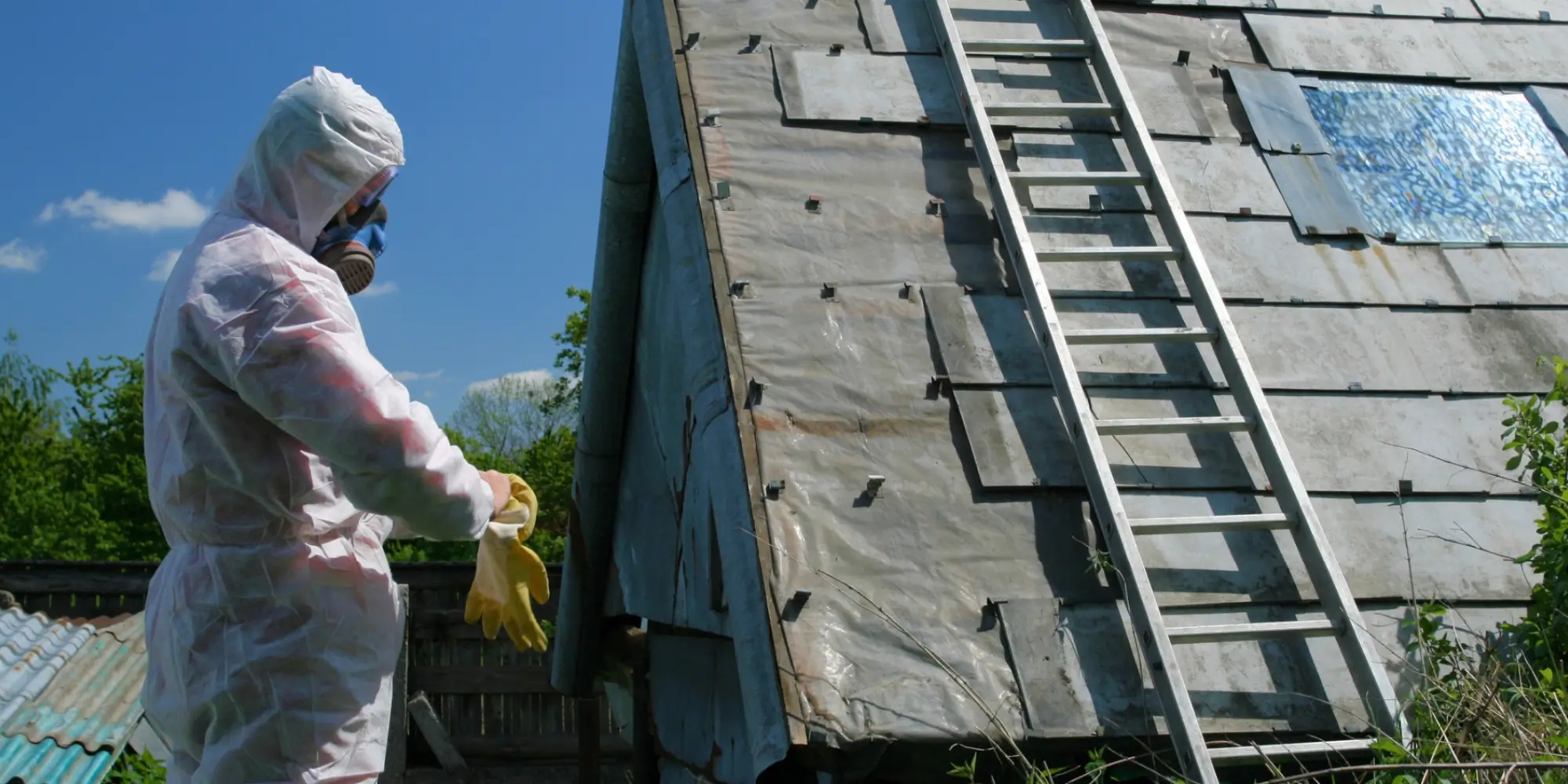
- Don’t Touch or Disturb: Asbestos insulation should not be touched or disturbed without professional help. Disturbing it can release dangerous fibers into the air.
- Hire a Professional: Always consult a certified asbestos removal expert who can safely handle and dispose of asbestos-containing materials.
- Encapsulation: If removal is not possible, encapsulation involves sealing off the asbestos material to prevent fiber release.
Environmental Impact and Disposal
While asbestos insulation poses significant health risks, its environmental impact is also a concern. Asbestos is non-biodegradable and can contaminate soil and water if improperly disposed of.
Cellulose insulation, in contrast, is made from recyclable materials and has a much lower environmental footprint. It is considered an eco-friendly option for modern insulation needs.
Conclusion
The key to understanding the risks of asbestos vs. cellulose insulation lies in identifying the material correctly. Asbestos insulation, with its serious health implications, should be professionally managed if found in older homes. Cellulose, a safer and environmentally friendly alternative, provides effective insulation without the risks associated with asbestos.
If you suspect that your home contains asbestos insulation, do not attempt to handle it yourself. Always contact a professional to ensure safe testing and removal. By understanding the differences between asbestos and cellulose insulation, you can protect both your health and your home’s environment.