Asbestos-containing materials (ACMs) are products that include asbestos fibers, a group of naturally occurring minerals used for their durability, heat resistance, and insulation properties. Asbestos was once widely used in construction and industrial products due to these qualities, but it is now known to be hazardous to health. Prolonged exposure to airborne asbestos fibers can lead to serious respiratory diseases and cancers. ACMs can still be found in many older buildings and products today.
Common Applications of Asbestos Containing Materials (ACMs)
Before the health risks associated with asbestos were understood, it was integrated into a wide range of products. Here are some common applications of ACMs:
1. Building and Construction Materials
Asbestos was extensively used in the construction industry for its insulation, fire resistance, and strength. Common ACMs in buildings include:
- Insulation: Pipe insulation, attic, and wall insulation (e.g., vermiculite contaminated with asbestos).
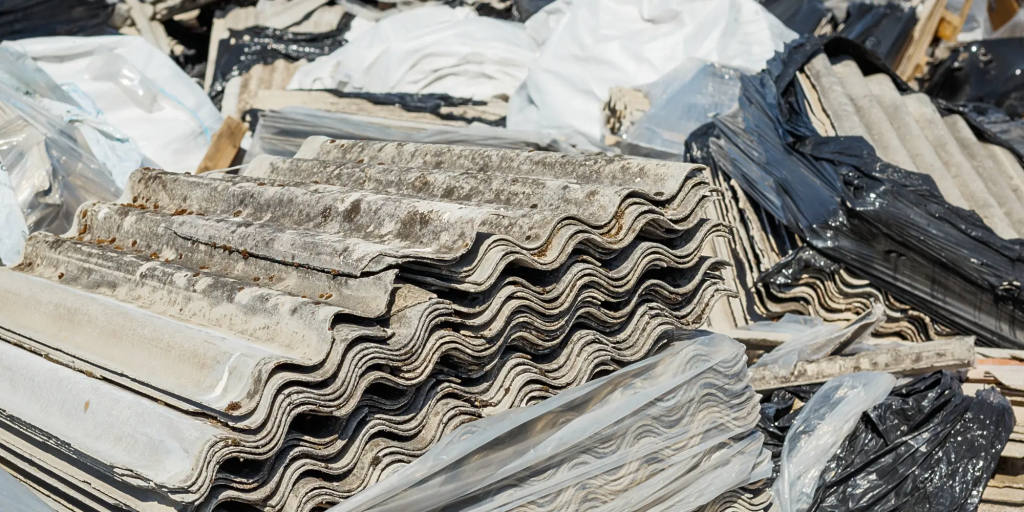
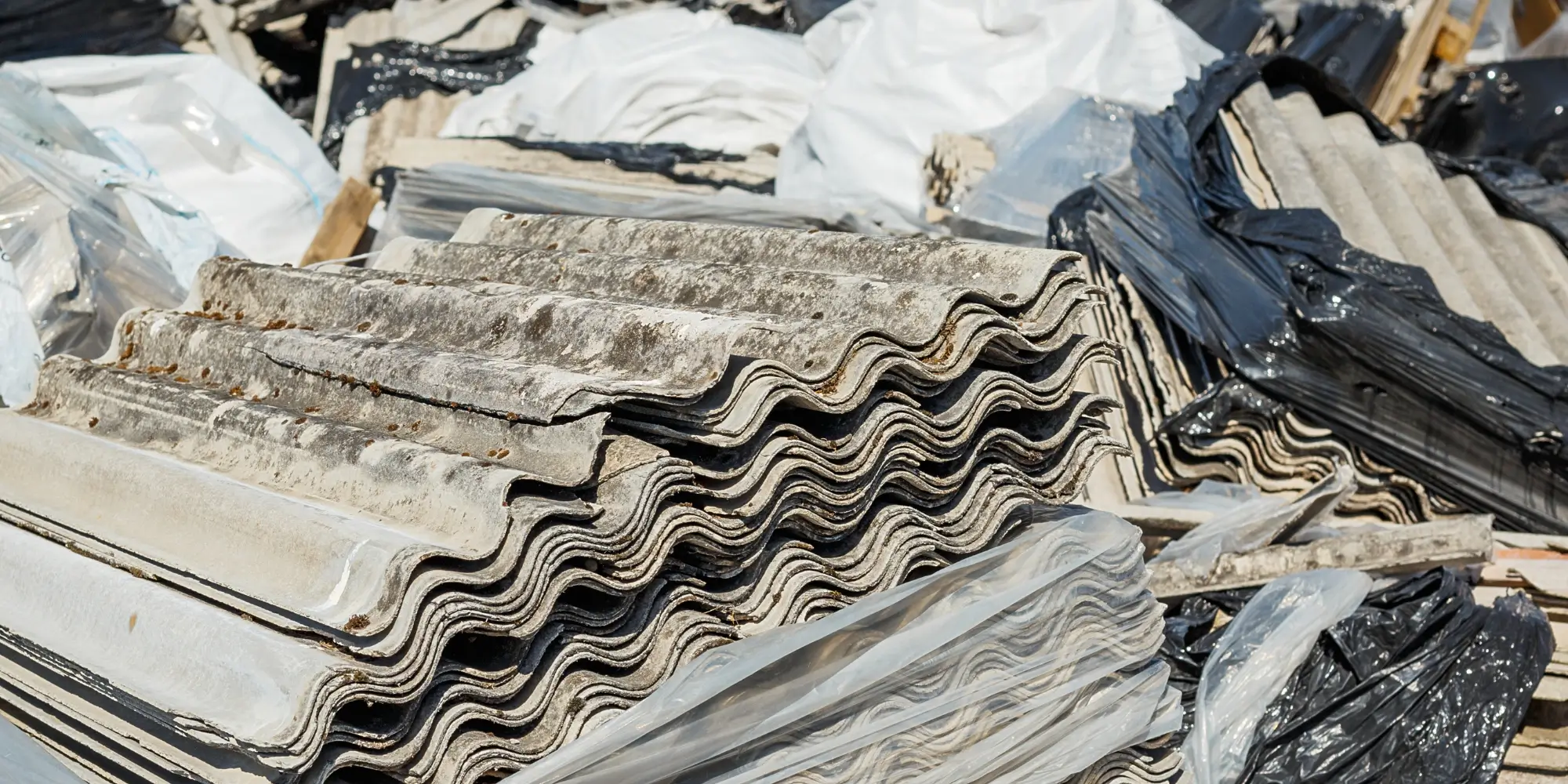
- Roofing and Siding: Asbestos cement products such as roofing shingles, siding boards, and roofing felt.
- Flooring: Vinyl asbestos tiles (VAT) and sheet flooring.
- Ceilings: Acoustic ceiling tiles and textured coatings (e.g., “popcorn” ceilings).
- Drywall: Joint compounds and textured finishes containing asbestos for flexibility and crack resistance.
2. Automotive Industry
In the automotive sector, asbestos was used for its heat resistance and durability in components such as:
- Brake Pads and Linings: Asbestos was a common material used to manufacture brake pads due to its ability to dissipate heat.
- Clutches: Asbestos in clutch facings helped vehicles maintain high performance under heat and friction.
- Gaskets: Used in engine components to resist high temperatures and prevent leaks.
3. Industrial and Commercial Products
Asbestos found applications in various industries for insulation and fireproofing:
- Fireproofing: Applied to boilers, furnaces, and structural steel beams to reduce fire risks.
- Machinery Insulation: Used to insulate high-temperature equipment like turbines and generators.
- Protective Clothing: Workers used asbestos-containing gloves, aprons, and blankets for heat protection.
4. Consumer Products
Asbestos was also found in everyday items, including:
- Household Appliances: Some older appliances like hairdryers and ovens contained asbestos insulation.
- Textiles: Fire-resistant clothing, ironing board covers, and oven mitts.
- Talcum Powder: Asbestos contamination in talc led to the presence of asbestos in some cosmetic products.
5. Maritime and Shipbuilding
The shipbuilding industry utilized asbestos for its fireproofing properties:
- Ship Insulation: Used extensively to insulate pipes and engines, preventing heat loss and reducing fire risks.
- Fireproofing: Structural elements such as walls and ceilings were coated with asbestos for fire resistance.
6. Aerospace and Military
Asbestos was integral in aerospace and military applications due to its heat and fire resistance:
- Aircraft Components: Brake pads, insulation, and heat shields contained asbestos.
- Military Gear: Used in uniforms and protective gear to shield from high temperatures and fire hazards.
Health Risks of Asbestos Exposure
Inhalation of asbestos fibers is the primary health risk associated with ACMs. Asbestos is classified as a human carcinogen, and exposure can lead to severe respiratory diseases, including:
- Asbestosis: Chronic lung disease caused by scarring of lung tissue.
- Mesothelioma: A rare, aggressive cancer of the lining around the lungs, abdomen, or heart.
- Lung Cancer: Increased risk of lung cancer, particularly among smokers exposed to asbestos.
- Other Cancers: Linked to cancers of the larynx, ovaries, and gastrointestinal system.
The health effects of asbestos exposure may take decades to manifest, often appearing only 20–30 years after initial exposure. This makes early detection and prevention critical.
Regulatory Guidelines for Handling Asbestos
Regulations to manage and control asbestos exposure vary by country, but all emphasize the importance of proper identification, handling, and removal of ACMs.
- United States: OSHA and EPA regulations set limits on asbestos exposure and require safety measures such as air monitoring, protective equipment, and asbestos awareness training.
- United Kingdom: The Control of Asbestos Regulations 2012 requires the identification of ACMs, an asbestos management plan, and licensed professionals for removal.
- Pakistan: While regulations are less stringent, workers should still follow best practices for asbestos handling and removal, ensuring safety and compliance.
Handling and Removal of ACMs
Handling and removing asbestos must be done by trained professionals to prevent exposure. Here’s a summary of key practices for safe handling and removal:
- Professional Assessment: Only qualified professionals should assess ACMs. They use visual inspections, sampling, and laboratory analysis to confirm the presence of asbestos.
- Containment Measures: Use barriers, warning signs, and negative pressure systems to prevent asbestos fibers from spreading.
- Personal Protective Equipment (PPE): Respirators with HEPA filters, disposable coveralls, gloves, and boot covers are essential when handling ACMs.
- Safe Removal: Wet methods and manual tools are preferred for removing ACMs to minimize fiber release. Air quality should be monitored during and after the removal process.
- Waste Disposal: Asbestos waste must be sealed in leak-tight containers and disposed of at licensed facilities following local regulations.
Preventive Measures and Awareness
To prevent asbestos exposure, it’s crucial to be aware of potential risks and take preventive measures:
- Awareness: Understand where ACMs might be found in older buildings and products, especially before renovation or demolition.
- Regular Inspections: Conduct periodic checks of older buildings to monitor the condition of ACMs.
- Do Not Disturb ACMs: Avoid disturbing materials suspected to contain asbestos. Always consult a professional before making any alterations.
- Compliance: Adhere to local regulations and workplace safety standards when dealing with ACMs.
Conclusion
Asbestos remains a serious health risk, particularly in older buildings and industrial settings. Awareness of what ACMs are, where they are found, and how to handle them safely is vital for minimizing exposure. Always consult professionals when dealing with potential asbestos-containing materials and follow safety protocols to protect your health and well-being.
By understanding the risks associated with ACMs and taking appropriate precautions, you can significantly reduce the dangers of asbestos exposure in your workplace or home.