What Is Asbestos Exposure?
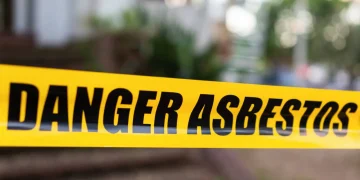
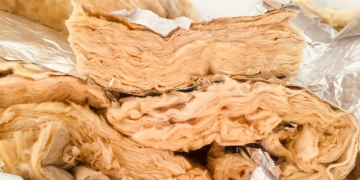
Asbestos exposure occurs when microscopic asbestos fibers are inhaled or ingested. These fibers, which can be released into the air when asbestos-containing materials (ACMs) are disturbed, pose a severe health risk. Once inhaled, the fibers can get trapped in the lungs, leading to inflammation, scarring, and severe health complications over time.
Asbestos was once widely used in construction, manufacturing, and other industries because of its fire resistance and insulating properties. However, due to the significant health risks associated with asbestos, it is now heavily regulated and banned in many countries.
How Does Asbestos Exposure Happen?
Asbestos exposure most commonly occurs in environments where ACMs are present, including:
- Renovation or Demolition Projects: Disturbing older buildings with asbestos-containing materials during repairs or renovations.
- Mining and Manufacturing: Workers in asbestos mining or manufacturing operations are at high risk.
- Shipbuilding and Repair: Asbestos was widely used for insulation on ships.
- Secondhand Exposure: Workers bringing asbestos fibers home on their clothing, hair, or skin, exposing family members to the risk.
Despite regulations, asbestos-containing materials remain in older buildings, meaning exposure is still possible, especially during construction, repairs, or demolition.
Asbestos Exposure Symptoms
Asbestos-related diseases can take years or even decades to manifest. Here are some common symptoms of asbestos exposure:
- Shortness of Breath
Difficulty breathing is one of the most common symptoms due to scarring in the lungs caused by prolonged asbestos exposure. - Persistent Dry Cough
Chronic coughing that doesn’t resolve over time is often linked to asbestos-related lung damage. - Chest Tightness or Pain
Asbestos exposure can cause inflammation in the lungs, leading to discomfort or pain, particularly when breathing deeply. - Unexplained Weight Loss
Asbestos-related diseases can cause the body to expend more energy, leading to unintentional weight loss. - Crackling Sound in Lungs
Known as “rales,” these crackling sounds can be heard during breathing, especially when there is fluid or scarring in the lungs. - Clubbing of Fingertips and Toes
Reduced oxygen levels in the blood due to lung damage can cause the tips of fingers and toes to swell. - Difficulty Swallowing
If asbestos exposure leads to mesothelioma or other cancers, it can affect the esophagus, causing difficulty swallowing. - Hoarseness
Irritation caused by asbestos exposure can affect the voice, leading to hoarseness. - Neck or Face Swelling
Fluid accumulation due to pleural effusions or other complications from asbestos-related diseases can cause swelling in the face or neck. - Fatigue
Severe tiredness or exhaustion can be a sign of asbestos-related diseases, often worsened by the body’s response to ongoing respiratory issues.
Health Risks Associated with Asbestos Exposure
Prolonged exposure to asbestos can lead to several serious health conditions:
- Asbestosis: A chronic lung disease caused by scarring of lung tissue, leading to shortness of breath, persistent cough, and chest tightness.
- Mesothelioma: A rare, aggressive cancer primarily affecting the lining of the lungs, chest, or abdomen, with a very poor prognosis.
- Lung Cancer: Asbestos exposure increases the risk of lung cancer, especially among smokers.
- Other Cancers: Asbestos exposure has been linked to cancers of the larynx, ovaries, and gastrointestinal tract.
- Pleural Diseases: Conditions such as pleural plaques, thickening, or effusion (fluid buildup) affect the lining around the lungs, causing pain and restricting lung function.
These conditions often take decades to develop, and symptoms may not appear until much later.
Causes of Asbestos Exposure Symptoms
Asbestos exposure occurs when fibers are inhaled. These fibers are highly resilient and can remain in the lungs, causing chronic inflammation and scarring. Over time, the lungs’ ability to expand and contract diminishes, leading to difficulty breathing. Here’s how asbestos exposure leads to health problems:
- Inflammation and Scarring: Inhaled asbestos fibers are difficult for the body to eliminate, causing prolonged irritation in the lungs, which results in scarring and reduced lung capacity.
- Asbestosis: This condition is directly related to long-term asbestos exposure and is characterized by the thickening and scarring of lung tissue, causing difficulty in breathing.
- Lung Cancer: Asbestos is a known carcinogen, and prolonged exposure increases the risk of developing lung cancer, particularly in smokers.
- Mesothelioma: This rare cancer, almost exclusively caused by asbestos exposure, affects the mesothelium, the lining surrounding vital organs, primarily the lungs and abdomen.
- Pleural Effusions and Thickening: These conditions result from asbestos fibers causing irritation to the pleura (lining of the lungs), leading to fluid buildup and lung compression.
Who Is at Risk of Asbestos Exposure?
Several groups of people are at higher risk of asbestos exposure, including:
- Construction Workers: Especially those involved in demolition, renovation, and repairs of older buildings.
- Miners: Workers in asbestos mines face direct exposure to the material.
- Shipyard Workers: Asbestos was heavily used in shipbuilding, especially for insulation.
- Automotive Mechanics: Working with older cars, particularly with asbestos-containing brake pads or clutches.
- Firefighters: Exposure to asbestos is common when responding to fires in older buildings with asbestos-containing materials.
- Military Personnel: Veterans, particularly those who served in the Navy or shipyards, are at risk.
- Family Members of Workers: Secondhand exposure occurs when workers bring asbestos fibers home on their clothes, hair, or skin.
What to Do If You Suspect Asbestos Exposure
If you suspect asbestos exposure or experience any of the symptoms mentioned, it’s crucial to:
- Consult a Doctor: Early diagnosis can lead to better outcomes, so seek medical attention if you have symptoms of asbestos-related diseases.
- Get an Asbestos Test: If you’re concerned about asbestos in your home or workplace, consider having the materials tested by certified professionals.
- Avoid Disturbing Suspected Asbestos Materials: Do not attempt to remove or disturb asbestos-containing materials yourself. Always consult a licensed asbestos removal contractor.
Conclusion
Asbestos exposure is a significant health risk that can lead to debilitating diseases like asbestosis, lung cancer, and mesothelioma. Understanding the symptoms and knowing who is at risk is crucial for early diagnosis and prevention. If you suspect asbestos exposure, it’s essential to take immediate action by consulting a medical professional and a certified asbestos inspector.
Staying informed and proactive is the key to minimizing the risks associated with asbestos exposure, protecting yourself and others from its life-threatening effects.
Disclaimer: This article provides general information about asbestos exposure and related health risks. For specific advice, diagnosis, or treatment, please consult a healthcare provider or certified asbestos professional.