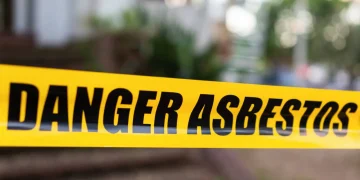
Asbestos sheets are materials made by combining asbestos fibers with cement or other binders to create a durable and heat-resistant product. These sheets were widely used in construction due to their ability to resist heat, fire, and corrosion. Asbestos’s strength and fireproofing properties made it popular for roofing, flooring, insulation, and fireproofing materials in residential, commercial, and industrial settings.
Types of Asbestos Sheets
There are several types of asbestos sheets, each with distinct properties:
- Corrugated Asbestos Sheets
Used predominantly for roofing and siding, these wavy sheets were a cost-effective alternative to metal roofing. They provided better insulation and corrosion resistance, making them common in agricultural and industrial buildings. - Flat Asbestos Sheets
Smooth panels used in ceilings, walls, and as flooring underlayment. These sheets offered water resistance and durability, especially in areas like kitchens and bathrooms where moisture resistance was important. - Asbestos Boards
Often used in fireproofing applications, these boards were installed around high-temperature equipment like boilers and stoves. Asbestos boards were also used for insulation and in electrical applications due to their non-conductive nature. - Asbestos Lumber
A substitute for traditional wood, asbestos lumber was used in roofing, siding, and interior partitions. It offered fire resistance and durability but became brittle over time, increasing the risk of exposure when damaged.
Health Dangers of Asbestos Sheets
The real danger of asbestos comes when its fibers are disturbed and become airborne. Inhalation of these microscopic fibers can lead to serious health problems, including:
- Mesothelioma
A rare and aggressive cancer that affects the lining of the lungs, abdomen, or heart. Mesothelioma is directly linked to asbestos exposure and can take decades to develop after initial contact. - Asbestosis
A chronic lung condition characterized by scarring of lung tissue, causing breathlessness, coughing, and disability. It is caused by the long-term inhalation of asbestos fibers. - Lung Cancer
Asbestos exposure increases the risk of lung cancer, especially for those who also smoke. The risk is compounded for individuals working with asbestos materials. - Other Cancers
Asbestos exposure is also associated with cancers of the larynx, ovaries, and gastrointestinal tract.
The most troubling aspect of asbestos exposure is that the symptoms of related diseases often don’t manifest until decades after exposure, making early detection and prevention extremely important.
Health Risks from Asbestos Exposure
Asbestos exposure primarily happens when asbestos-containing materials (ACMs) are disturbed during renovation, demolition, or other types of construction work. For individuals working with or around these materials, the risk increases significantly. Other groups at risk include:
- Construction Workers: Especially those involved in demolition or renovation of older buildings.
- Shipyard Workers: Exposure from materials used in shipbuilding.
- Automotive Workers: Mechanics working with asbestos-containing brake pads, clutches, and gaskets.
- Firefighters: Due to exposure when fighting fires in older buildings that may contain asbestos.
- Household Renovators: DIY workers or homeowners renovating older properties without proper safety measures.
Family members of these workers may also be at risk from secondary exposure through fibers brought home on clothing or equipment.
Removal Strategies and Safety Precautions
Handling asbestos safely is crucial to prevent exposure. Here’s a guide on how to deal with asbestos-containing materials:
1. Professional Assessment
Before engaging in any work involving asbestos, it’s essential to hire a certified asbestos professional for an inspection and testing. Visual inspection alone is not sufficient, as asbestos fibers are invisible to the naked eye.
2. Safe Removal Practices
Removal of asbestos sheets should only be done by licensed professionals. Key steps include:
- Preparation: Seal off the area with barriers and warning signs to prevent contamination of surrounding areas. Ensure workers wear appropriate PPE, including respirators and protective clothing.
- Removal Process: Wetting asbestos sheets helps minimize fiber release. The sheets should be carefully removed in whole pieces to prevent breaking them. Power tools should be avoided as they can disturb the fibers.
- Disposal: Asbestos waste must be double-wrapped in plastic, clearly labeled, and disposed of at approved hazardous waste facilities.
3. Legal and Regulatory Compliance
Different countries have strict regulations for handling, removing, and disposing of asbestos. In the U.S., OSHA (Occupational Safety and Health Administration) sets exposure limits and safety standards for workers. Similarly, in the UK, the Control of Asbestos Regulations 2012 provides a framework for managing ACMs safely.
4. Encapsulation as an Alternative to Removal
In cases where the asbestos sheets are in good condition, encapsulation (sealing the material to prevent fiber release) may be a safer and more cost-effective alternative to removal. Encapsulation should only be performed by trained professionals.
Homeowner Precautions
- Do Not Disturb: Avoid drilling, cutting, or sanding materials that may contain asbestos.
- Regular Inspections: Monitor the condition of asbestos materials for signs of wear, damage, or deterioration.
- Consult Experts: Always consult with a professional before undertaking any work that may disturb asbestos.
Compensation and Legal Recourse
Individuals who are diagnosed with asbestos-related diseases due to workplace exposure may be entitled to compensation. Legal claims can cover medical costs, lost wages, and pain and suffering. Options include:
- Personal Injury Lawsuits: Victims can file lawsuits against employers or manufacturers responsible for exposure.
- Wrongful Death Claims: Families who lose loved ones due to asbestos-related diseases can seek compensation.
- Workers’ Compensation: Workers may be entitled to compensation through workers’ compensation programs for work-related asbestos exposure.
- Asbestos Trust Funds: Many companies have established trust funds for individuals affected by asbestos exposure.
Conclusion
Asbestos sheets were once considered a miracle material due to their durability and fire-resistant properties. However, the health risks associated with asbestos exposure are serious and often fatal. Proper identification, safe handling, and adherence to regulatory guidelines are essential to prevent harmful exposure.
If you suspect that your property contains asbestos-containing materials, especially if you live in an older building, it is crucial to consult with certified asbestos professionals for inspection and safe removal. Remember, prevention is the best strategy to protect yourself and others from the long-term health risks of asbestos.