Asbestos, once celebrated for its heat resistance and durability, is now recognized as a dangerous material responsible for serious health issues like mesothelioma, lung cancer, and asbestosis. With its widespread use in construction materials, especially in older homes, it’s essential to know how to identify asbestos and understand its risks. This guide will walk you through the appearance of asbestos and provide steps to identify it in your home.
What Does Asbestos Look Like?
Asbestos fibers are microscopic, making them difficult to detect with the naked eye. However, certain materials containing asbestos have distinct visual characteristics that can help you spot them, especially if the material is damaged or deteriorating.
Asbestos in Natural Form
Asbestos occurs naturally as a mineral in various hues, including:
- Blue (Crocidolite)
- Brown (Amosite)
- White (Chrysotile)
- Green and Gray
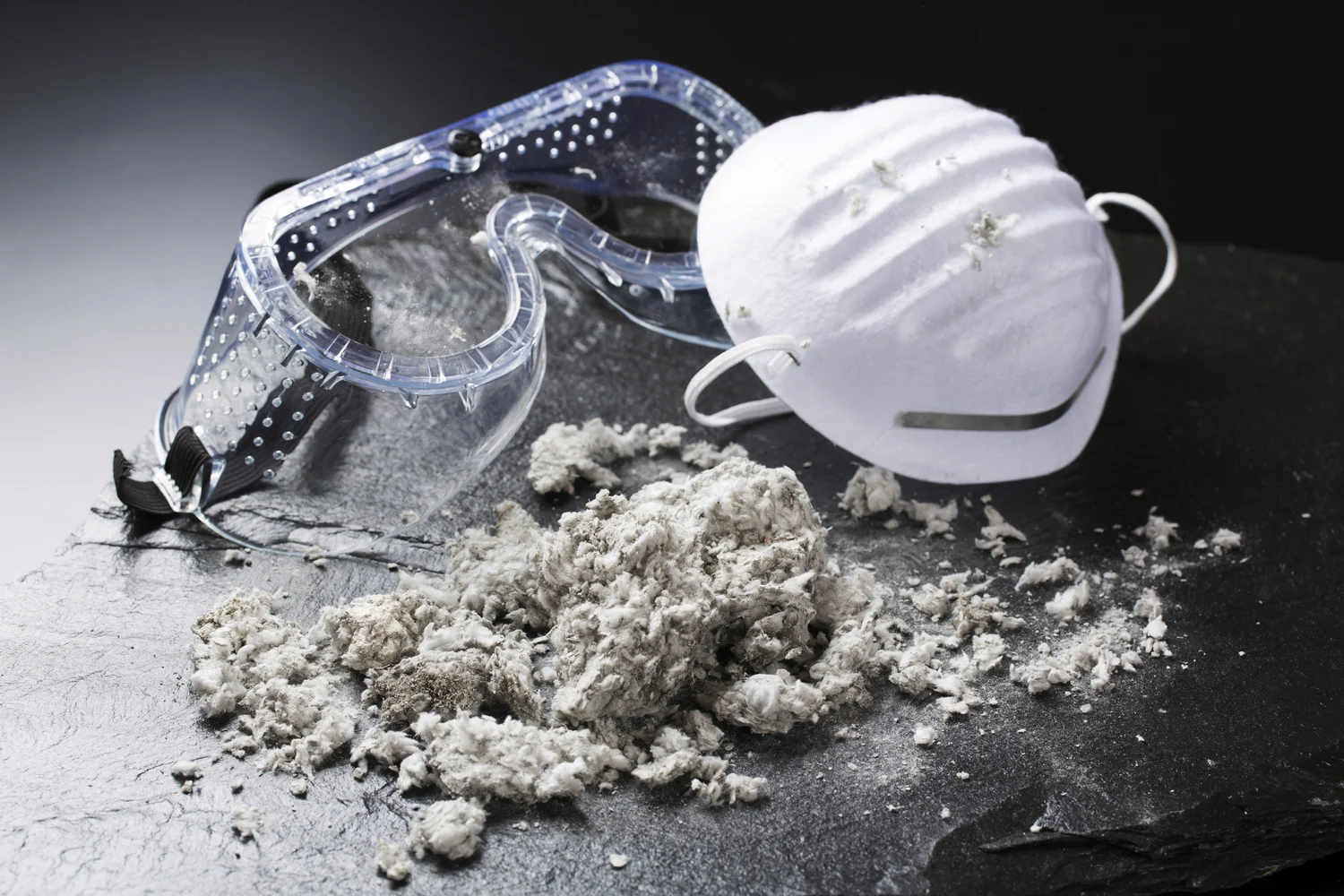
In its processed form, asbestos can look like tiny, fibrous crystals that are often mixed with other materials like cement or plastic.
Common Asbestos-Containing Materials
Here are some typical materials where asbestos may be found in older buildings and homes:
1. Asbestos Boards
- Appearance: Asbestos boards can vary in color, including light and dark gray, with some boards being pink or painted.
- Common Uses: Used as insulation boards, wall panels, or fireproofing materials.
- Risk: Asbestos boards can release fibers if damaged. These materials are often soft and can easily crumble.
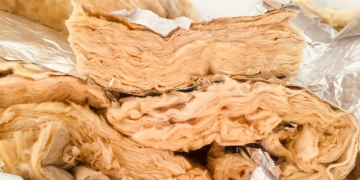
2. Asbestos Thermal Insulation
- Appearance: This insulation is typically found in pipe coverings and can be white, brown, gray, or pink.
- Common Uses: Commonly used in the 20th century for insulation around pipes, boilers, and ducts.
- Risk: Thermal insulation is often brittle and prone to damage, releasing asbestos fibers into the air.
3. Asbestos Sprayed Insulation
- Appearance: This form appears as a rough, thick layer of gray material sprayed onto ceilings and walls.
- Common Uses: Applied as a fireproofing coating to structural beams and ceilings.
- Risk: Sprayed insulation is highly friable, meaning it can easily release fibers into the air if disturbed.
4. Asbestos Textiles
- Appearance: Asbestos textiles can appear as cloth, rope, blankets, or yarn, often with a grayish or white color.
- Common Uses: Used in fireproof clothing, gaskets, and other products requiring heat resistance.
- Risk: Asbestos textiles, especially when worn or damaged, can release fibers.
5. Asbestos Cement
- Appearance: Asbestos cement products, such as roofing sheets, can appear light or dark gray and have a rigid, solid texture.
- Common Uses: Used in building materials like roofing, siding, and pipes.
- Risk: Asbestos cement is less likely to release fibers unless it is disturbed during renovation or demolition.
6. Asbestos Vinyl Flooring
- Appearance: Asbestos vinyl flooring often looks like regular vinyl tiles, which may appear as linoleum or plastic tiles.
- Common Uses: Used in homes and commercial buildings for flooring.
- Risk: Vinyl tiles with asbestos are often still intact but can release fibers if removed improperly.
How to Identify Asbestos in Your Home
While it’s difficult to identify asbestos with certainty just by looking at it, here are some steps to help:
1. Inspect the Age of Your Home
Homes built or renovated before the 1980s are more likely to contain asbestos-containing materials. If your home is older and you’re doing renovations, asbestos may be present, especially in insulation, roofing, or flooring.
2. Check the Condition of Materials
Asbestos is generally safe if left undisturbed. It becomes dangerous when damaged. Cracks, breaks, or worn-out materials are more likely to release asbestos fibers into the air.
3. Visual Clues for Different Materials
- Loose-fill insulation: Looks like small, granular pebbles and may be gray or silvery.
- Sprayed-on insulation: Appears as a rough coating on ceilings or walls.
- Vinyl flooring: Looks like linoleum, which may contain asbestos, especially in older homes.
4. Test for Asbestos
The most reliable method to confirm asbestos is through professional testing. An asbestos testing service can collect samples from suspected materials and analyze them in a lab to determine if asbestos is present.
What to Do if You Suspect Asbestos
If you suspect that asbestos-containing materials are present in your home, follow these steps:
- Do Not Disturb: Avoid touching or disturbing suspected asbestos materials. This can release dangerous fibers into the air.
- Hire a Professional: If you are unsure about the presence of asbestos, contact a licensed asbestos surveyor or testing service to assess your home safely.
- Encapsulation or Removal: If asbestos is confirmed, the safest approach is to either encapsulate it (seal it off) or remove it professionally. Removal should only be done by certified experts trained in handling asbestos safely.
Health Risks of Asbestos Exposure
When asbestos fibers are inhaled, they can cause serious health issues, including:
- Mesothelioma: A rare and aggressive cancer linked to asbestos exposure.
- Lung Cancer: Asbestos exposure significantly increases the risk of developing lung cancer.
- Asbestosis: A chronic lung condition caused by the scarring of lung tissue, leading to difficulty breathing.
Symptoms of asbestos-related diseases often take decades to appear, which is why it’s crucial to be proactive in identifying and addressing asbestos in your home.
Conclusion
Asbestos is a dangerous material that poses significant health risks when disturbed. Identifying asbestos in your home can be challenging, but knowing the key characteristics of materials that may contain asbestos is essential. If you suspect asbestos is present in your home, always seek professional testing and removal to ensure the safety of yourself and your family.
If you have any doubts, consulting with a certified asbestos removal professional is the safest course of action. The earlier you address potential asbestos issues, the better you can protect your health and prevent long-term risks.