Understanding Asbestos
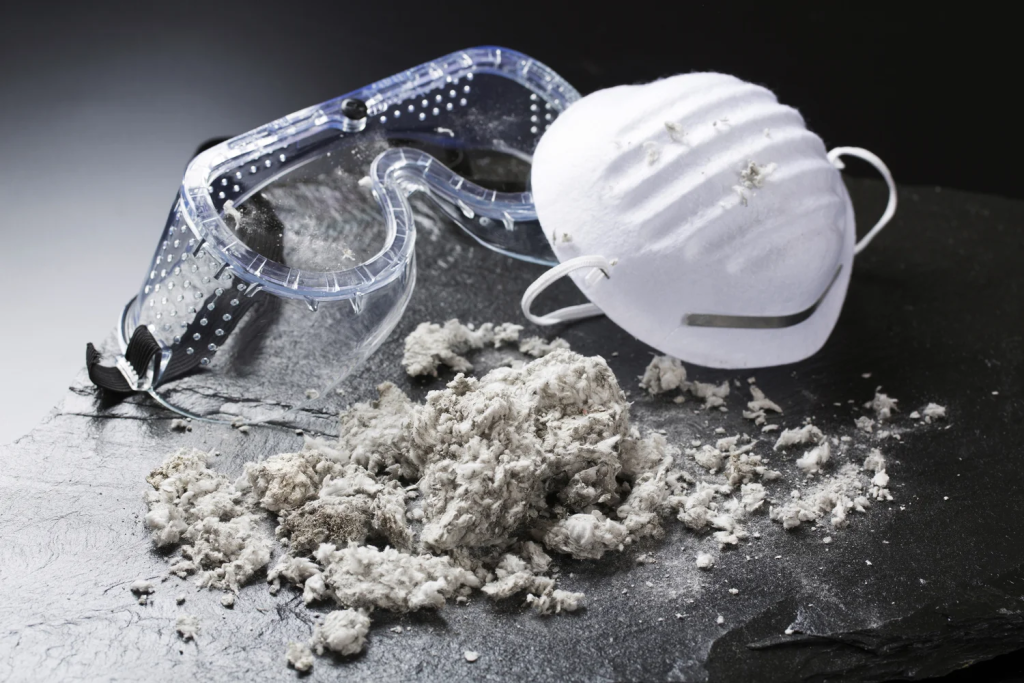
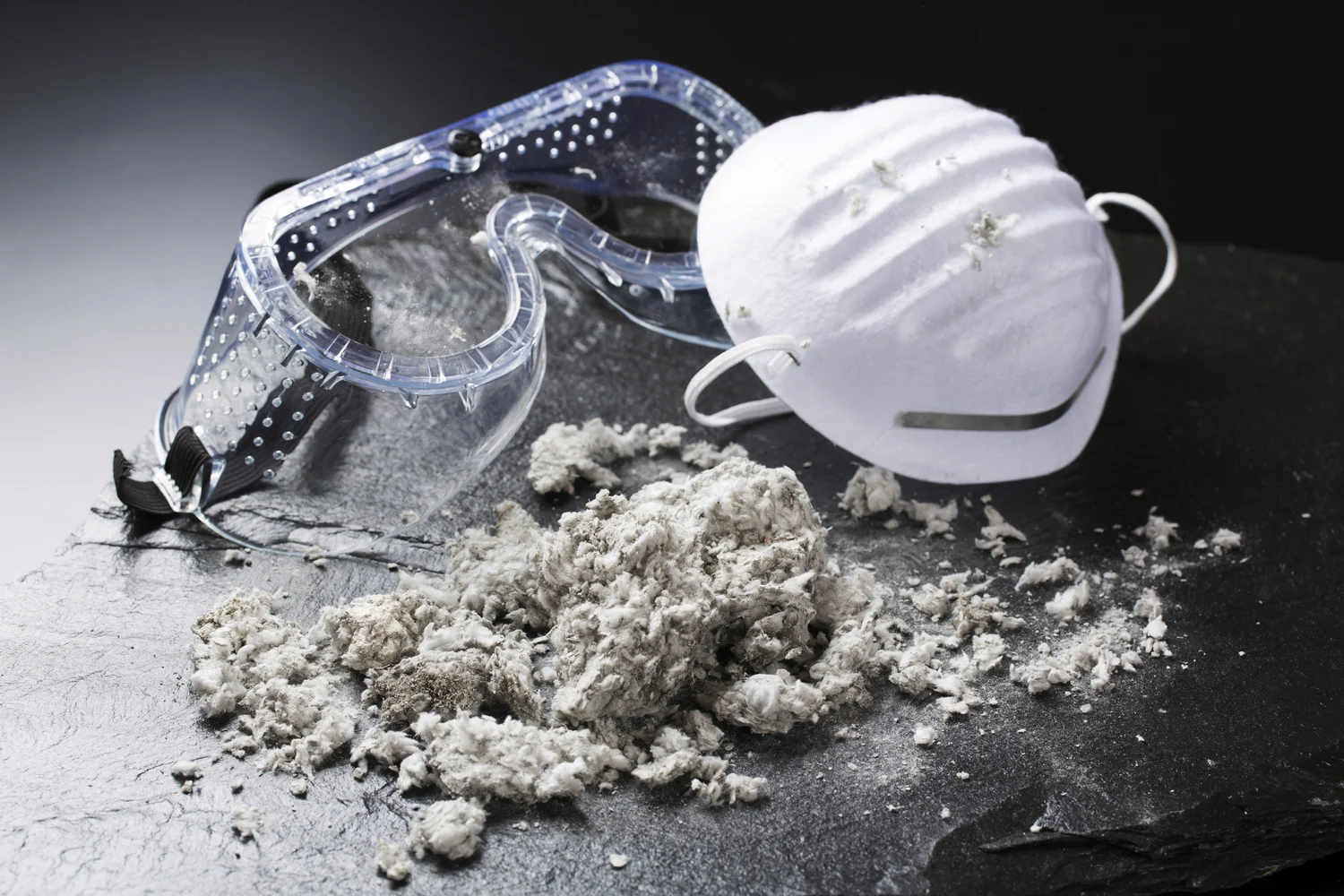
Asbestos is a group of six naturally occurring minerals with heat, electrical, and fire-resistant properties. Historically, it was used in construction, automotive, and manufacturing for insulation and fireproofing purposes. However, its fibers, when disturbed, can become airborne and pose serious health risks if inhaled.
What Is an Asbestos Test Kit?
An asbestos test kit is a DIY tool that allows homeowners or workers to collect samples of suspected asbestos-containing materials (ACMs) and send them to a lab for analysis. These kits typically include protective gear, sampling containers, and instructions for proper use.
How Do Asbestos Test Kits Work?
Using an asbestos test kit involves the following steps:
- Sample Collection: You collect a small sample of the suspected ACM following the kit’s instructions.
- Sample Submission: The sample is sealed in the provided container and sent to an accredited laboratory.
- Laboratory Analysis: The lab analyzes the sample to determine if asbestos fibers are present.
- Results: Results are typically provided within one to two weeks, confirming whether or not asbestos is present.
Some kits include laboratory fees, while others may require additional payments.
Why Use an Asbestos Test Kit?
Pros of Using an Asbestos Test Kit:
- Cost-Effective: Usually less expensive than hiring a professional asbestos inspector.
- Convenience: You can collect samples at your own pace and schedule.
- Quick Initial Assessment: Ideal for confirming suspicions without professional intervention.
Cons of Using an Asbestos Test Kit:
- Safety Risks: Improper handling can release dangerous asbestos fibers.
- Accuracy Concerns: Inexperienced sampling may lead to inaccurate results.
- Limited Scope: DIY kits may not cover all necessary testing methods.
- Not a Substitute for Professionals: Lack of expertise means you could miss vital aspects during sampling.
Safety Concerns with DIY Asbestos Testing
While DIY testing kits seem like a convenient and affordable option, they come with significant risks:
- Fiber Release: Disturbing ACMs can release fibers into the air, leading to exposure.
- Improper Handling: Inadequate training may result in improper sample collection, leading to inaccurate results.
- Inadequate Protection: DIY kits may not offer the same level of safety gear as professional services.
Importance of Professional Help
Hiring a certified asbestos professional is the safest way to handle asbestos testing. They can:
- Perform comprehensive inspections.
- Collect samples without releasing asbestos fibers.
- Provide accurate results and legal-compliant documentation.
- Advise on the best course of action if asbestos is detected.
How to Use an Asbestos Test Kit Safely
If you choose to use an asbestos test kit, follow these essential safety protocols:
Before You Begin: Precautions and Preparations
- Read Instructions Carefully: Familiarize yourself with all steps before starting the process.
- Clear the Area: Ensure no one else is in the area to avoid accidental exposure.
- Turn Off HVAC Systems: Prevent the spread of asbestos fibers through air circulation.
- Gather Necessary Tools: Ensure all required safety gear is on hand, including gloves, a respirator, and protective clothing.
Step-by-Step Instructions for Safe Sampling
- Wear Protective Gear: Always wear disposable coveralls, gloves, boot covers, and a HEPA-filtered mask.
- Seal the Area: Use plastic sheeting and tape to isolate the work area.
- Prepare the Sampling Area: Lightly dampen the area with a solution of dish soap and water to reduce fiber release.
- Collect the Sample: Use a clean tool to cut a small piece of the suspected material. Place it carefully in the provided sealable bag.
- Seal and Clean Up: Ensure the sample is sealed securely. Clean up tools and surfaces with damp wipes.
- Dispose of Waste Safely: Place any used materials in a separate sealable bag and dispose of them according to local regulations.
- Submit the Sample: Send the sample to the lab for analysis following the provided return instructions.
Safety Tips
- Do Not Create Dust: Avoid sanding, sawing, or breaking materials.
- Do Not Vacuum: Household vacuums can spread asbestos fibers.
- Limit Sample Size: Only take the minimal amount necessary.
- Avoid Multiple Disturbances: Don’t take multiple samples from different locations unless absolutely necessary.
What Happens After the Test?
Interpreting the Results
- Positive for Asbestos: The material contains asbestos fibers. Professional removal or management should be considered.
- Negative for Asbestos: No asbestos fibers detected. While no action is required for these materials, it’s important to keep records of the test for future reference.
What to Do If Asbestos Is Found
- Encapsulation: If the material is in good condition, you may choose to seal it to prevent fiber release.
- Professional Removal: If the material is deteriorating or needs to be disturbed, hire certified abatement professionals for safe removal.
- Avoid DIY Removal: Removal can release dangerous fibers, posing significant health risks and legal consequences.
Conclusion
Asbestos test kits can provide a quick and cost-effective initial assessment of potential asbestos exposure. However, due to the serious health risks involved, DIY testing should be approached with caution. Always follow the instructions carefully and wear the necessary protective gear. If asbestos is detected, contact a certified asbestos professional to handle the situation safely and in compliance with local regulations.
Key Takeaways:
- Asbestos is dangerous and requires careful handling.
- Test kits offer a convenient but risky DIY solution.
- Professional testing is recommended for safety and accuracy.
- Take immediate action if asbestos is found to ensure compliance and protect health.
Disclaimer: This article is for informational purposes only and does not substitute professional advice. Always consult a certified asbestos specialist for testing and remediation services.