Understanding Asbestos Tiles
Asbestos tiles were commonly used in construction due to their durability, heat resistance, and cost-effectiveness. However, the discovery of their health risks has led to their decline in use. This article explores what asbestos tiles are, how to recognize them, and safe methods for their removal.
Alternative Names for Asbestos Tiles
Asbestos tiles go by different names, which can complicate their identification. Some of the most common terms include:
- Vinyl Asbestos Tiles (VAT): Vinyl tiles with asbestos fibers mixed into the vinyl resin.
- Asphalt Asbestos Tiles: Made from asphalt, these darker-colored tiles are more likely to contain asbestos.
- Resilient Flooring: A term that covers various durable flooring materials, including those made with asbestos.
- Vinyl Composition Tiles (VCT): Older versions of VCT may contain asbestos, even though modern variants are asbestos-free.
- Acoustic Ceiling Tiles: Suspended ceiling tiles installed before the 1990s often contain asbestos.
- Kentile Floors: A well-known brand, Kentile floors became synonymous with asbestos flooring.
Recognizing these terms helps in identifying possible asbestos-containing materials (ACMs) in buildings or workplaces.
How to Recognize Asbestos Tiles
Identifying asbestos tiles involves considering several factors, such as the age of the building, tile size, and appearance:
- Age of the Building or Tiles:
- Construction Date: Buildings built before the 1980s are more likely to contain asbestos tiles.
- Renovation History: If a property hasn’t been renovated since the 1980s, asbestos tiles may still be present.
- Tile Size and Appearance:
- Common Tile Sizes: Asbestos floor tiles commonly come in sizes like 9×9 inches, 12×12 inches, or 18×18 inches.
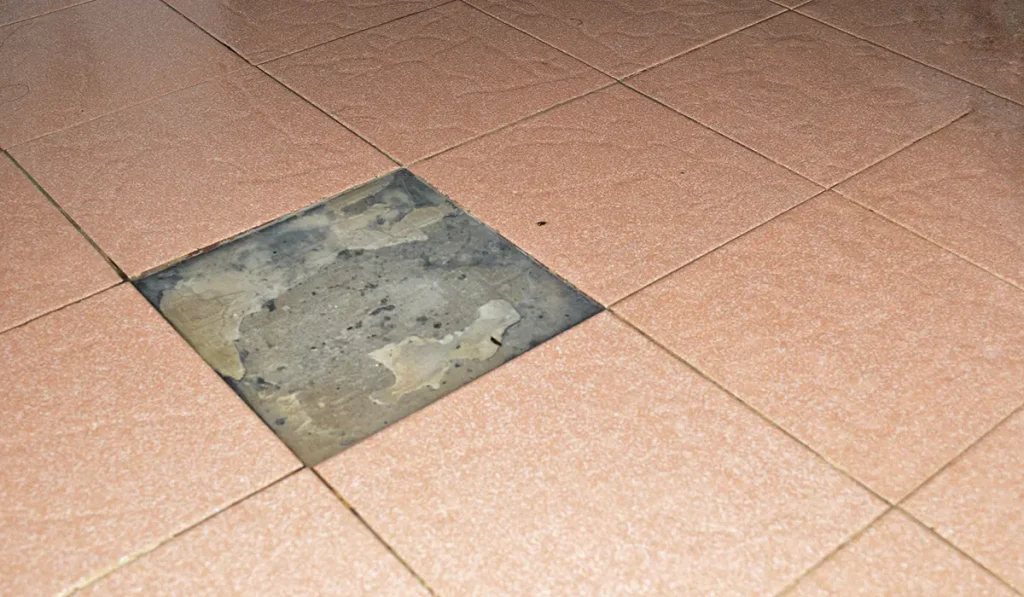
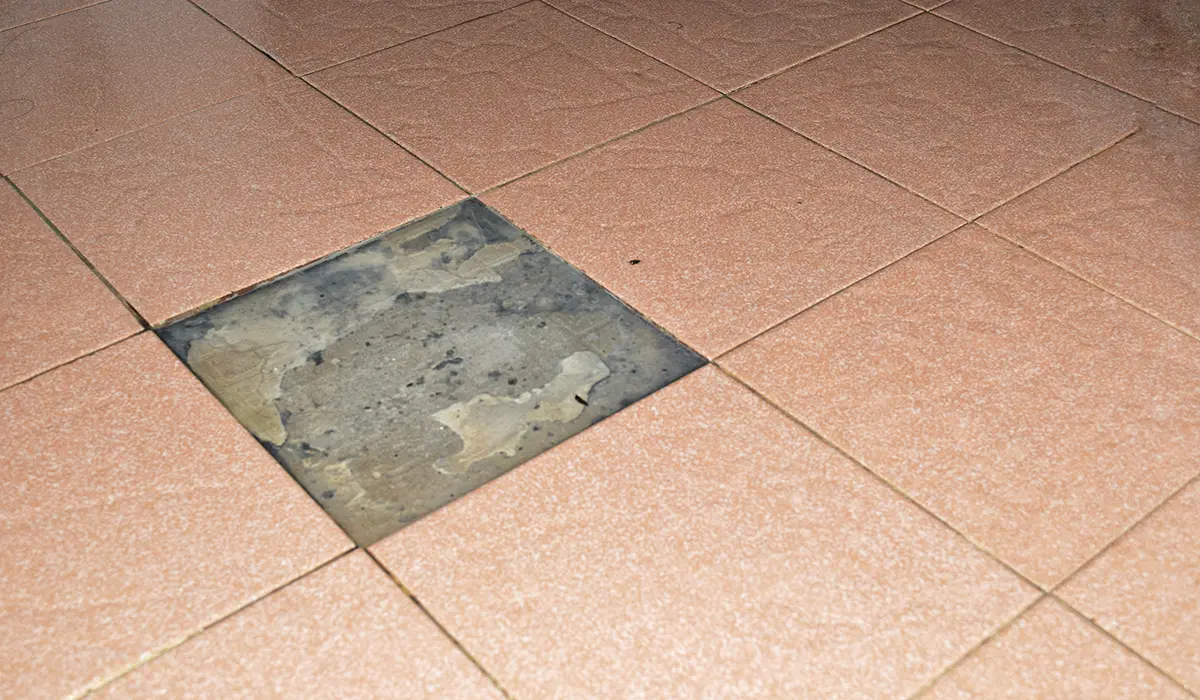
- Color and Pattern: Darker tiles, often asphalt-based, are more likely to contain asbestos.
- Oily Look: Some asphalt-based tiles may have an oily sheen due to the asphalt content.
- Adhesive Used:
- Black Mastic Adhesive: Asbestos tiles were often installed with a black, tar-like adhesive that may indicate the presence of asbestos.
- Brand Identification:
- Known brands like Kentile, Armstrong, Congoleum-Nairn, Sears & Roebuck, and others may have used asbestos in their flooring materials.
- Professional Testing:
- DIY Asbestos Test Kits are available, or you can hire a certified asbestos inspector for confirmation.
Health Risks Associated with Asbestos Exposure
Asbestos exposure is linked to several serious health conditions:
- Mesothelioma: A rare and aggressive cancer of the lung, abdomen, or heart lining.
- Lung Cancer: Exposure increases the risk, especially among smokers.
- Asbestosis: Chronic lung disease causing scarring of lung tissue.
- Other Cancers: Including cancers of the larynx, ovaries, and gastrointestinal tract.
Symptoms from asbestos exposure may take decades to appear and include persistent cough, shortness of breath, and chest pain. The long latency period makes early detection crucial.
Legal Implications of Asbestos Tiles
- Disclosure Requirements: Homeowners must disclose asbestos presence when selling a property.
- Regulations on Removal: Many regions have strict rules on the removal and disposal of asbestos.
- Professional Abatement: Only licensed professionals should remove asbestos-containing materials to comply with regulations.
How to Safely Remove Asbestos Tiles
Removing asbestos tiles requires careful planning and execution. There are a few options for handling asbestos tiles:
Option 1: Covering the Tiles
- New Flooring Installation: If the asbestos tiles are intact and in good condition, you can install new flooring over them, reducing the risk of fiber release.
- Benefits: Safer and more cost-effective than removal.
- Disclosure: Inform future buyers about the presence of asbestos beneath the new flooring.
Option 2: Professional Removal
- Hire Licensed Professionals: Certified asbestos abatement companies are trained to safely remove asbestos and dispose of it according to regulations.
- Post-Removal Air Testing: Conduct air quality tests to ensure that the area is safe for re-occupancy.
Option 3: DIY Removal (Not Recommended)
- Safety Precautions:
- Wear HEPA-filtered respirators, disposable coveralls, gloves, and eye protection.
- Use the wet removal method to minimize dust.
- Avoid breaking tiles; remove them intact when possible.
- Seal the work area with plastic sheeting to prevent contamination.
- Dispose of the tiles in approved asbestos disposal bags.
- Legal Considerations:
- Permits: Check local regulations to see if a permit is required.
- Disposal Sites: Ensure you know where to dispose of asbestos waste safely.
Final Steps After Removal
- Air Quality Testing: Have the area tested for asbestos fibers before re-entering.
- Thorough Cleaning: Use wet wiping and a HEPA vacuum to clean the area.
- Post-Removal Inspection: Have a professional verify that all asbestos-containing materials have been removed and that the area is safe.
Conclusion
Asbestos tiles, once valued for their durability and fire resistance, now pose significant health risks due to the potential for asbestos fiber release. Identifying these tiles is crucial, and while covering intact tiles is a safer short-term solution, removal may be necessary if they are damaged. Due to the severe health hazards involved, it’s highly recommended to hire licensed professionals for safe removal and disposal.
Frequently Asked Questions
- Can I leave asbestos tiles in place if they’re in good condition?
- Yes, as long as the tiles remain undisturbed and intact, they generally do not pose an immediate risk. However, future renovations or disturbances could release fibers.
- How much does professional asbestos tile removal cost?
- Costs vary depending on the size of the area, but expect to pay between $3 to $12 per square foot for professional removal.
- Is it illegal to remove asbestos tiles myself?
- In many regions, DIY removal is not recommended and can be illegal if you don’t follow proper safety protocols. Always check local laws before attempting removal.
- How do I know if my ceiling tiles contain asbestos?
- Older acoustic ceiling tiles, often used in homes and schools, may contain asbestos. You can hire a professional to inspect and test the tiles safely.
- What should I do if I accidentally break an asbestos tile?
- Immediately leave the area and avoid disturbing the debris further. Contact a certified professional for advice on cleaning and managing the situation.
Resources:
- Environmental Protection Agency (EPA): Asbestos Information
- Occupational Safety and Health Administration (OSHA): Asbestos Safety and Health Topics
- National Institute for Occupational Safety and Health (NIOSH): Asbestos Page
By staying informed and taking the appropriate precautions, you can safely manage asbestos tiles in your property, ensuring a healthy environment for everyone.