Asbestos dust is a major public health concern due to the severe health risks associated with inhaling its microscopic fibers. Despite its historical use in various industries, asbestos-containing materials (ACMs) have been linked to serious diseases such as mesothelioma, asbestosis, and lung cancer. This article explores what asbestos dust is, the dangers it poses, and effective strategies to prevent exposure.
What is Asbestos Dust?
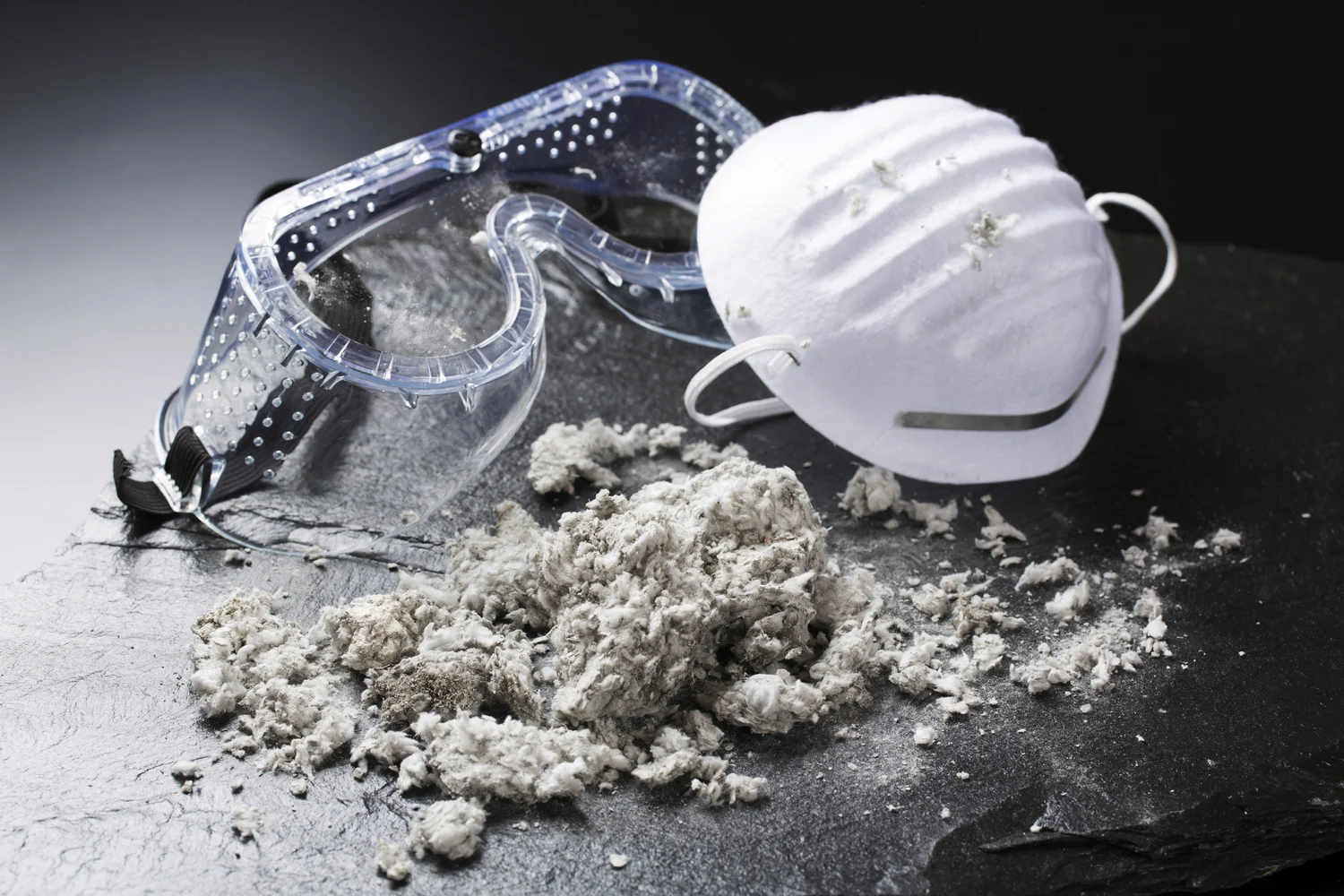
Asbestos refers to a group of naturally occurring fibrous minerals, known for their heat resistance, durability, and fireproofing qualities. Asbestos dust is made up of fine, airborne particles that are released when asbestos-containing materials deteriorate, are disturbed, or are improperly handled. These fibers can remain suspended in the air for extended periods, posing significant inhalation risks.
Historical Usage of Asbestos
From the late 19th century through the 20th century, asbestos was widely used in construction, automotive, and other manufacturing industries due to its:
- Heat resistance (ideal for insulation in buildings and ships)
- Durability (used in automotive parts like brake pads and clutches)
- Insulation (applied in electrical wiring and household appliances)
- Aesthetic applications (found in paints, coatings, and plastics)
While asbestos was valued for these properties, its use has sharply declined following increased awareness of its health risks.
The Dangers of Asbestos Dust
Asbestos fibers pose severe risks when they become airborne and are inhaled. Below are some of the primary health risks associated with asbestos dust exposure:
Health Risks Associated with Asbestos Exposure
- Asbestosis
- A chronic lung disease caused by inhaling asbestos fibers. Symptoms include shortness of breath, persistent cough, and chest tightness, and the condition can progress to severe lung damage.
- Mesothelioma
- A rare and aggressive cancer that affects the lining of the lungs or abdomen. Symptoms include chest pain, persistent cough, and weight loss. Unfortunately, prognosis is poor, with most patients surviving less than a year after diagnosis.
- Lung Cancer
- Prolonged exposure to asbestos significantly increases the risk of lung cancer, especially for smokers who have been exposed to asbestos. Early symptoms include a persistent cough, chest pain, and hoarseness.
- Other Cancers
- Asbestos exposure is also linked to cancers of the throat, stomach, ovaries, and other organs.
- Pleural Disorders
- Conditions such as pleural plaques, pleural thickening, and pleural effusion affect the lining of the lungs and chest cavity, often causing chest pain and restricting lung function.
How Asbestos Dust Causes Harm
When asbestos-containing materials are disturbed, they release tiny fibers into the air. These fibers can then penetrate the lungs and accumulate in the respiratory tract, where the body is unable to eliminate them. This leads to chronic irritation, inflammation, and scarring of lung tissue, increasing the risk of cancer and respiratory diseases.
Who Is at Risk of Asbestos Exposure?
Several groups are at higher risk of asbestos exposure:
- Workers in High-Risk Industries: Those in construction, shipbuilding, automotive manufacturing, and power plants are frequently exposed to asbestos dust.
- Homeowners and Renovators: Disturbing old buildings during renovations or repairs can release asbestos fibers.
- General Public: People living near asbestos mines, factories, or places where asbestos was historically used may be at higher risk.
Preventing Asbestos Dust Exposure
Prevention is the key to minimizing the risks associated with asbestos dust. Implementing safety measures and following regulatory guidelines can significantly reduce exposure.
Regulatory Framework
- Bans and Restrictions: Many countries have banned or restricted the use of asbestos in new products, and regulations govern the handling, removal, and disposal of existing ACMs.
- Occupational Safety Standards: Agencies like the Occupational Safety and Health Administration (OSHA) set permissible exposure limits (PELs) for asbestos in workplaces.
- Ongoing Regulations: Regulations continue to govern the safe handling of asbestos, particularly in older buildings and industries with legacy asbestos use.
Safe Handling and Removal Practices
- Assessment and Identification
- Conduct thorough inspections before renovation or demolition projects to identify ACMs.
- Use certified professionals for asbestos detection and condition assessments.
- Containment
- Seal off work areas to prevent the spread of asbestos fibers.
- Use negative air pressure systems with HEPA filters to capture fibers.
- Proper Removal Techniques
- Use wet methods to suppress dust during removal.
- Avoid disturbing ACMs unnecessarily; do not drill, cut, or sand materials containing asbestos.
- Disposal
- Transport asbestos waste to designated disposal sites licensed to handle hazardous materials.
- Ensure proper packaging and labeling to prevent accidental exposure.
Personal Protective Equipment (PPE)
Using the correct PPE is critical when handling or working near asbestos-containing materials. Essential PPE includes:
- Respirators: N95 respirators or higher are necessary to filter out asbestos fibers.
- Protective Clothing: Disposable coveralls, gloves, and boot covers to prevent contamination.
- Eye Protection: Safety goggles or face shields to protect against airborne particles.
Environmental Controls
- Ventilation Systems
- Ensure work areas have proper ventilation to reduce airborne asbestos dust concentrations.
- Regularly inspect and maintain ventilation systems to ensure they are functioning effectively.
- Air Monitoring
- Perform regular air sampling to monitor asbestos fiber levels.
- Take corrective actions if fiber concentrations exceed safe limits.
Public Awareness and Education
Training and educating workers and the public about the dangers of asbestos is crucial to reducing exposure. Key initiatives include:
- Workplace Training: Ensure employees are aware of asbestos risks and safe handling procedures.
- Public Awareness Campaigns: Educate homeowners and the general public about asbestos risks, safe practices, and the importance of asbestos testing.
- Continuous Learning: Provide refresher courses to keep workers updated on safety regulations and best practices.
Maintenance and Inspection
- Routine Inspections: Regularly check buildings and facilities for signs of asbestos material deterioration.
- Proper Maintenance of ACMs: Ensure that asbestos-containing materials are properly maintained and not disturbed during routine maintenance activities.
Conclusion
Asbestos dust remains a significant health hazard, with long-term consequences for those exposed. Understanding the risks and implementing appropriate preventive measures are essential to safeguarding public health. By adhering to safety regulations, using proper handling techniques, and investing in education and training, we can minimize the dangers of asbestos dust and prevent related diseases.
Additional Resources:
- Occupational Safety and Health Administration (OSHA)
- Environmental Protection Agency (EPA)
- National Institute for Occupational Safety and Health (NIOSH)
Disclaimer: This article provides general information about asbestos and is not intended as medical or legal advice. Always consult with a professional for specific asbestos concerns or testing.