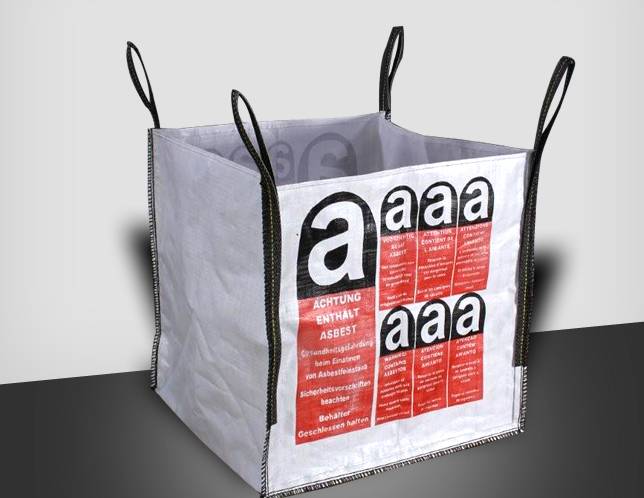
Asbestos is a group of naturally occurring fibrous minerals known for their strength, heat resistance, and chemical durability. These properties made asbestos an essential material in various industries, including construction and automotive, for much of the 20th century. Asbestos bags were widely used in handling and transporting asbestos-containing materials (ACMs), but due to the severe health risks associated with asbestos exposure, their use has drastically declined.
This article explains the function, benefits, proper use, and safety protocols related to asbestos bags, offering a comprehensive understanding of their role in managing hazardous materials.
What Are Asbestos Bags?
Asbestos bags are specialized containers made from materials that contain asbestos fibers, or in some cases, they were once manufactured from asbestos itself. These bags were used primarily to:
- Contain hazardous materials: Used to store and transport substances that required high heat and chemical resistance.
- Provide protective packaging: Prevented the contamination of other materials during storage and transit.
- Industries using asbestos bags: Used extensively in the automotive, construction, and manufacturing sectors.
Top Benefits of Asbestos Bags
Although the use of asbestos bags has declined due to safety concerns, they were previously valued for their numerous benefits:
- Durability
- Asbestos bags were highly durable due to the strength of asbestos fibers, which made them resistant to tearing and ideal for industrial environments where bags were subjected to rough handling.
- Heat Resistance
- Asbestos is naturally resistant to heat, which made these bags perfect for containing hot or fire-sensitive materials like insulation or components in the automotive and industrial sectors.
- Chemical Resistance
- The chemical inertness of asbestos fibers provided a reliable barrier against a variety of chemicals, ensuring that the bags would not degrade or allow leaks.
- Cost-Effectiveness
- Asbestos bags were affordable and easily produced, which made them an attractive option for companies needing cost-effective packaging and storage solutions for hazardous materials.
Proper Use of Asbestos Bags
Given the potential hazards of asbestos exposure, it’s critical to follow strict safety protocols when handling and disposing of asbestos bags. Key guidelines include:
- Handling and Storage
- Personal Protective Equipment (PPE): Always wear appropriate PPE, including respirators, gloves, and protective clothing, when handling asbestos bags.
- Avoid Disturbance: Do not puncture or damage the bags. Handle with care to avoid fiber release into the air.
- Secure Storage: Store asbestos bags in well-ventilated areas away from high-traffic zones, reducing the risk of accidental exposure.
- Transportation
- Sealed Containers: Ensure bags are sealed securely to prevent asbestos fibers from escaping.
- Labeling: Label all bags with clear warning signs to inform handlers about the potential hazards.
- Regulatory Compliance: Adhere to local and international regulations for the transportation of hazardous materials, ensuring safe routes and proper documentation.
- Disposal
- Licensed Disposal Sites: Asbestos bags must be disposed of in EPA-approved hazardous waste facilities.
- No On-Site Disposal: Never dispose of asbestos bags in regular landfills, as this poses significant environmental and health risks.
- Documentation: Keep thorough records of disposal, including waste manifests and disposal site details.
Health and Safety Considerations
The health risks associated with asbestos are well-documented, including chronic diseases such as:
- Mesothelioma: A rare cancer that affects the lining of the lungs, chest, or abdomen.
- Asbestosis: A chronic lung disease that leads to scarring and difficulty breathing.
- Lung Cancer: Increased risk, particularly among smokers who have been exposed to asbestos.
Environmental Contamination: Improper handling or disposal of asbestos bags can lead to environmental contamination, posing risks to ecosystems and public health.
Safety Best Practices
- Training: Ensure all workers are properly trained in handling asbestos bags and familiar with the risks associated with exposure.
- Regular Inspections: Conduct routine inspections of areas where asbestos bags are stored or handled to detect potential leaks or damage.
- Emergency Preparedness: Develop and implement emergency protocols for accidental asbestos fiber release, ensuring a quick and effective response.
Regulatory Compliance
Following the proper regulations is essential when handling asbestos bags. Key regulatory bodies include:
- Occupational Safety and Health Administration (OSHA): Ensures workplace safety regarding asbestos exposure.
- Environmental Protection Agency (EPA): Oversees the disposal and environmental impact of asbestos waste.
- European Union Regulations: Provides stringent guidelines for the handling and disposal of asbestos-containing materials within member states.
Key Regulations:
- Permits: Obtain the necessary permits for the handling, transport, and disposal of asbestos-containing materials.
- Exposure Limits: Adhere to legal exposure limits to protect workers from harmful concentrations of asbestos fibers.
- Reporting: Maintain accurate records and report asbestos-related incidents as required by local authorities.
Alternatives to Asbestos Bags
As awareness of the dangers of asbestos grew, industries began transitioning to safer materials. Modern alternatives include:
- Fiberglass Bags: Known for their high heat resistance and durability, fiberglass offers a safer substitute for asbestos.
- Polypropylene Bags: A versatile plastic material that offers chemical resistance and strength, often used in industrial applications.
- Aramid Fiber Bags (e.g., Kevlar): These provide superior strength-to-weight ratios and are commonly used in protective packaging.
Benefits of Alternatives:
- Safety: No health risks related to fiber inhalation, unlike asbestos.
- Regulatory Compliance: Easier to meet modern safety standards and regulations.
- Environmental Impact: Safer for disposal and recycling, with minimal environmental hazards.
Conclusion
Asbestos bags played an important role in industries that required durable, heat- and chemical-resistant containers. However, the severe health risks associated with asbestos exposure have made their use dangerous and outdated. Proper handling, transportation, and disposal of asbestos-containing materials are crucial for ensuring safety and compliance with health and environmental regulations.
By adhering to safe practices and transitioning to modern, non-hazardous alternatives, industries can protect workers and the public from the risks posed by asbestos, ensuring a safer and healthier environment.
Disclaimer: This article is for informational purposes only. Always consult with certified professionals for asbestos handling and disposal services.
References:
- World Health Organization (WHO): Asbestos Information
- Occupational Safety and Health Administration (OSHA): Asbestos Standards
- Environmental Protection Agency (EPA): Asbestos Guidelines
- European Union: Asbestos Regulations