What Is Friable Asbestos?
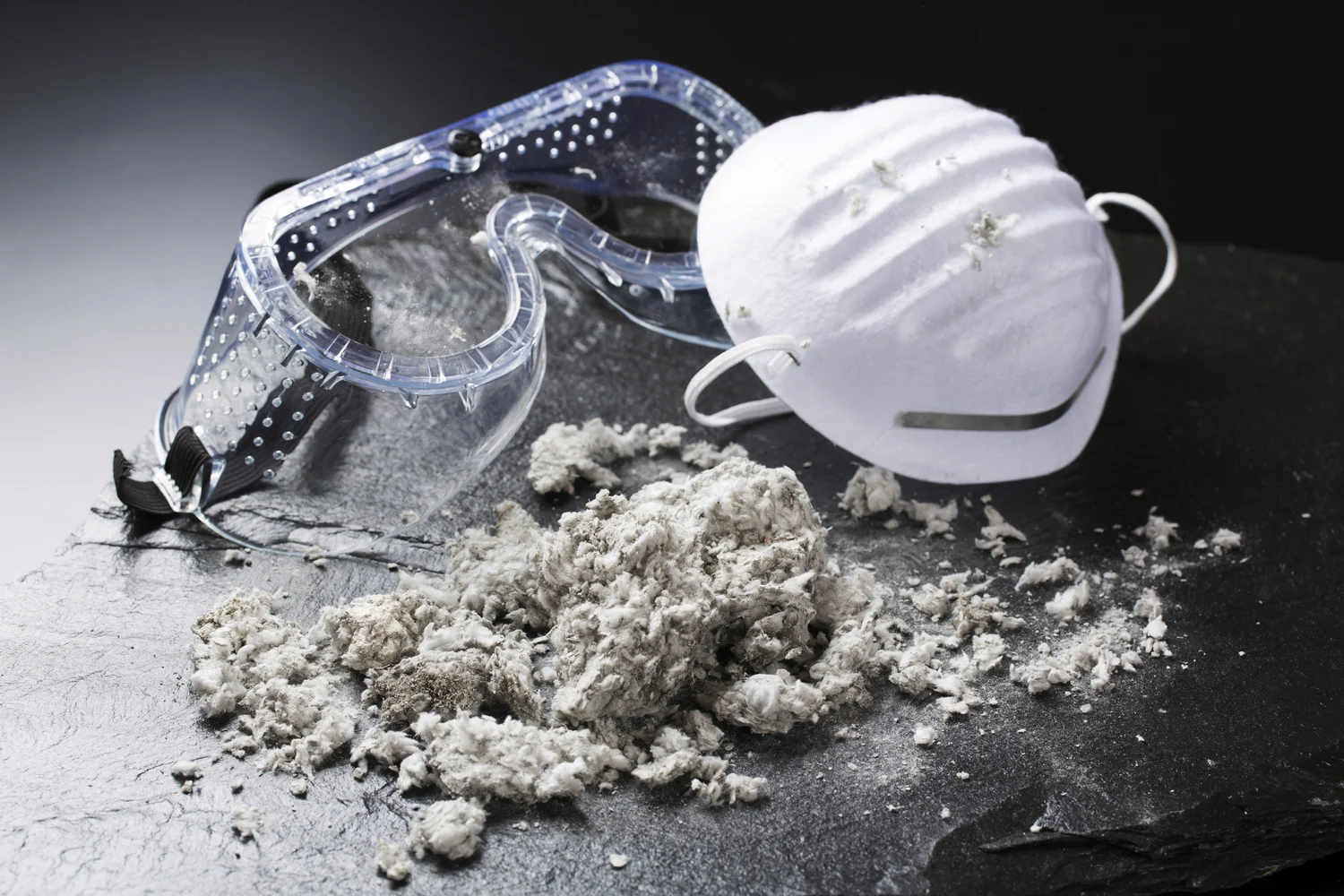
Friable asbestos refers to any asbestos-containing material (ACM) that can be easily crumbled, pulverized, or turned into powder with minimal hand pressure. The term “friable” comes from its ability to disintegrate easily, which makes it a significant health risk. When disturbed, friable asbestos releases tiny asbestos fibers into the air, which can be inhaled into the lungs, leading to serious health issues such as mesothelioma, lung cancer, and asbestosis.
Examples of Friable Asbestos:
- Pipe lagging (insulation)
- Sprayed-on insulation
- Asbestos-containing plaster
- Popcorn ceilings
- Ceiling tiles and thermal insulation products
These materials contain a high concentration of asbestos fibers, often 100% in older products, making them particularly dangerous when disturbed.
What Is Non-Friable Asbestos?
Non-friable asbestos materials, also known as bonded asbestos, are materials where the asbestos fibers are tightly bound within a solid matrix, such as cement, resin, or vinyl. These materials are less likely to release fibers into the air under normal conditions, making them less hazardous compared to friable asbestos. However, they can still pose a risk if damaged, weathered, or disturbed.
Examples of Non-Friable Asbestos:
- Asbestos cement sheeting (e.g., roofing panels)
- Vinyl asbestos floor tiles
- Roofing felt
- Gaskets and bitumen products
- Molded asbestos products, such as pipes
While non-friable asbestos poses a lower risk under normal conditions, improper handling or environmental degradation over time can cause the material to become friable, thus releasing asbestos fibers into the air.
Key Differences Between Friable and Non-Friable Asbestos
| Feature | Friable Asbestos | Non-Friable Asbestos |
|---|---|---|
| Physical Structure | Loose, flaky, can be crushed easily by hand | Solid, rigid, fibers are bound within a matrix |
| Risk of Exposure | High risk of fiber release when disturbed | Lower risk under normal conditions but can become friable if disturbed |
| Legal Status | Heavily regulated and mostly banned in many countries | Still used in certain products, though heavily regulated |
| Common Applications | Insulation, ceiling tiles, sprayed coatings | Roofing, flooring, gaskets, cement sheeting |
| Health Risk | Immediate health risks if disturbed | Can become hazardous if damaged or weathered |
Health Risks Associated with Asbestos Exposure
Both friable and non-friable asbestos pose serious health risks when the fibers become airborne and are inhaled. The risks include:
- Asbestosis: A chronic lung disease caused by the buildup of asbestos fibers in the lungs, leading to scarring and breathing difficulties.
- Mesothelioma: A rare but aggressive cancer that primarily affects the linings of the lungs or abdomen.
- Lung Cancer: Prolonged exposure to asbestos significantly increases the risk of lung cancer, especially among smokers.
- Other Cancers: Asbestos exposure has been linked to cancers of the throat, stomach, and ovaries.
- Pleural Disorders: Non-cancerous conditions like pleural plaques, which affect the lining of the lungs.
The latency period for these diseases can be decades, meaning symptoms may not show up until 20-50 years after exposure.
How to Handle Friable and Non-Friable Asbestos
Given the risks, handling asbestos-containing materials must be approached with caution. Here’s how to manage both types:
Friable Asbestos Handling
- Never attempt DIY removal: Friable asbestos should be handled only by licensed professionals due to the risk of fiber release.
- Professional Removal: Hire certified asbestos removal contractors who follow strict guidelines and safety protocols.
- Containment: Use sealed areas with negative air pressure to prevent fibers from escaping into other parts of the building.
Non-Friable Asbestos Handling
- Leave it undisturbed: Non-friable asbestos can often be left in place if it is in good condition and is not at risk of disturbance.
- Repairs and Encapsulation: If damaged, non-friable asbestos can be repaired or encapsulated to prevent future risk.
- Professional Assessment: For any concerns or damage, hire professionals to assess the material and provide safe solutions.
Legal and Regulatory Considerations
The handling, removal, and disposal of both friable and non-friable asbestos are regulated by strict standards to protect workers and the public. Key regulations include:
- Occupational Safety and Health Administration (OSHA): Sets limits on allowable asbestos exposure in workplaces.
- Environmental Protection Agency (EPA): Oversees asbestos disposal, ensuring it does not cause environmental contamination.
- Local Laws: Regulations can vary by region, but most require licensed professionals to handle asbestos safely.
Conclusion
Asbestos, in both friable and non-friable forms, poses a significant health risk if disturbed. The main difference between the two is how easily they release fibers into the air. Friable asbestos is highly dangerous and requires immediate action if found, while non-friable asbestos poses a lower risk under normal conditions but can become dangerous if damaged.
Whether you are dealing with asbestos in an old home, workplace, or industrial setting, it’s essential to understand the risks and take appropriate precautions. Always consult certified professionals for asbestos surveys, handling, and removal to ensure safety and compliance with regulations.
Disclaimer: This article is for informational purposes only and is not a substitute for professional advice. If you suspect asbestos in your environment, always consult a licensed expert for testing, removal, and management.