What’s Non-Friable Asbestos?
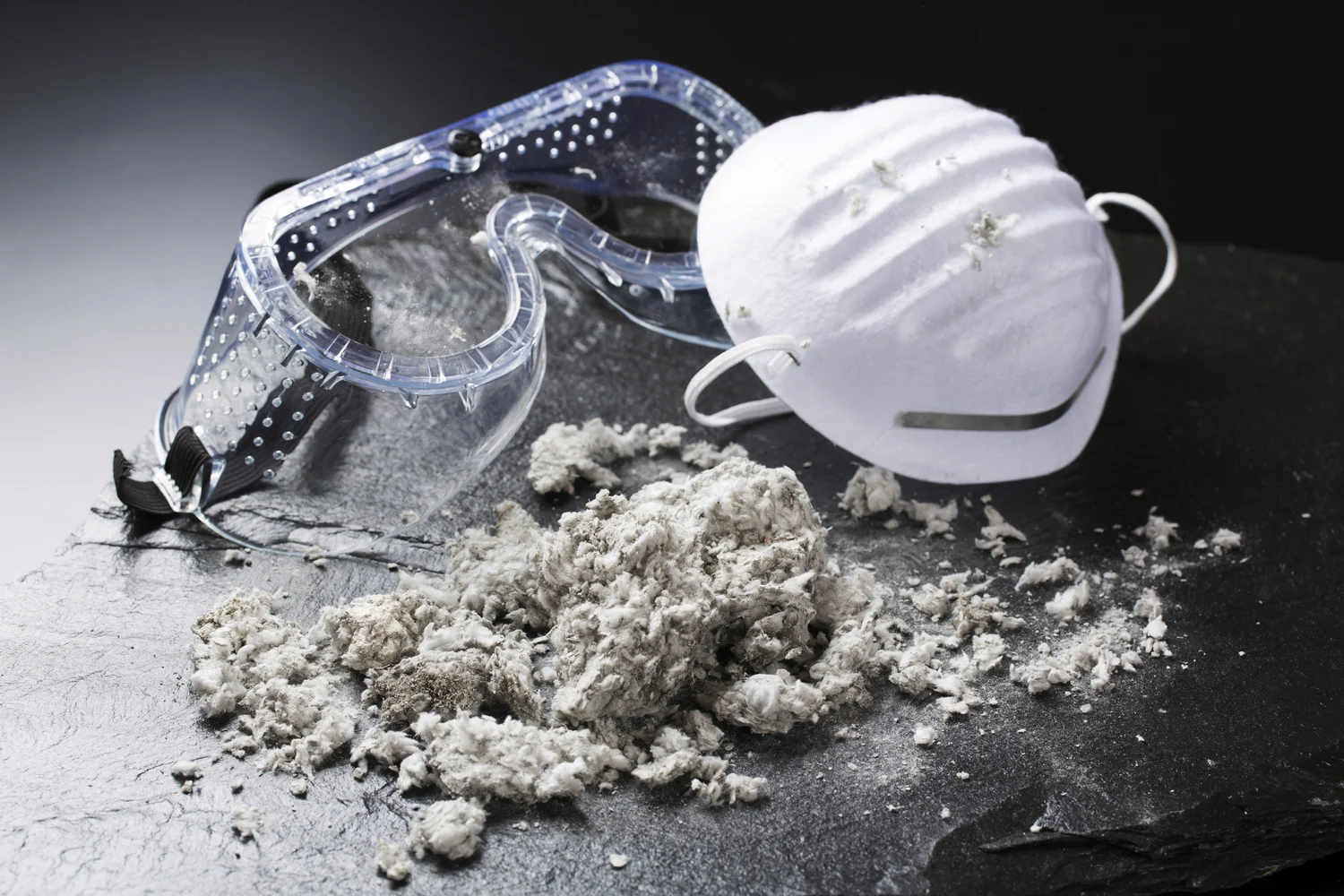
Non-friable asbestos refers to asbestos-containing materials (ACMs) where the asbestos fibers are tightly bound within a solid matrix, making them less likely to release fibers into the air under normal conditions. Unlike friable asbestos, which can easily be crumbled and release dangerous fibers, non-friable asbestos remains stable unless disturbed or damaged by activities such as cutting, sanding, or demolition.
Common examples of non-friable asbestos materials include:
- Vinyl floor tiles
- Asbestos cement sheets and shingles
- Textured paints and popcorn ceilings
- Automotive brake pads
- Certain pipe insulations
While non-friable asbestos is less hazardous, it can still pose significant health risks if disturbed, as the fibers can become airborne and inhaled.
Health Risks Associated with Non-Friable Asbestos
Exposure to asbestos, whether friable or non-friable, poses severe health risks. The primary health conditions linked to asbestos exposure include:
- Asbestosis: A chronic lung disease caused by inhaling asbestos fibers, resulting in scarring of the lung tissue and difficulty breathing.
- Lung Cancer: Long-term exposure to asbestos increases the risk of lung cancer, particularly in smokers.
- Mesothelioma: A rare but aggressive cancer that affects the lining of the lungs or abdomen, almost exclusively linked to asbestos exposure.
- Other Cancers: Asbestos exposure is also associated with cancers of the larynx, ovaries, and gastrointestinal tract.
- Pleural Diseases: These include pleural plaques and pleural effusions, which can cause pain and restrict lung function but are not cancerous.
The risks of these diseases are particularly high when asbestos fibers are inhaled, even in small quantities, and the symptoms often take decades to manifest, making early detection difficult.
How Non-Friable Asbestos Becomes a Health Hazard
While non-friable asbestos is generally considered less hazardous than friable asbestos, it can still become dangerous under certain conditions:
- Damage or Disturbance: Cutting, sanding, drilling, or demolishing non-friable asbestos-containing materials can release fibers into the air.
- Aging and Deterioration: Over time, non-friable asbestos materials can degrade or weather, increasing the potential for fiber release.
- Improper Maintenance: Failure to maintain or repair non-friable asbestos materials can lead to their deterioration and pose health risks.
Examples of Non-Friable Asbestos-Containing Materials
To understand the risks, it is important to identify where non-friable asbestos is commonly found:
Building Materials
- Vinyl Floor Tiles: Often used in residential and commercial buildings, these tiles may contain asbestos in the backing material.
- Asbestos Cement Sheets and Shingles: Used for roofing and siding, these materials are highly durable and resistant to weathering.
- Textured Paints and Popcorn Ceilings: These decorative materials may contain asbestos fibers for insulation and fireproofing.
Automotive Parts
- Brake Pads and Linings: Asbestos was used for its heat resistance and durability in brake components.
- Clutches and Gaskets: Asbestos-containing parts are used in vehicle engines and machinery to maintain performance under high temperatures.
Appliances
- Ovens and Heaters: Older models may use asbestos insulation to withstand high temperatures.
- Toasters and Microwaves: Some older models contain asbestos in their insulation materials.
Industrial Products
- Gaskets and Seals: Used in machinery, these parts contain asbestos for its sealing properties.
- Pipe Insulation: Non-friable asbestos is used to insulate pipes, especially in industrial settings.
Safe Handling and Management of Non-Friable Asbestos
Proper management of non-friable asbestos is essential to minimize health risks. Here are key safety guidelines:
- Assessment and Identification: Conduct thorough inspections before any renovation or demolition project to identify potential asbestos-containing materials. Professional asbestos inspectors can help assess and test materials for asbestos presence.
- Encapsulation: Sealing non-friable asbestos with an appropriate sealant can prevent fibers from becoming airborne. This method is suitable for non-friable asbestos in good condition.
- Enclosure: For non-friable asbestos materials in buildings, enclosing them with airtight barriers can effectively prevent fiber release. This approach is commonly used in walls and ceilings.
- Safe Removal: If encapsulation or enclosure is not possible, professional removal of non-friable asbestos may be necessary. Certified asbestos removal contractors should handle the removal to ensure safety and compliance with regulations.
- Regular Monitoring and Maintenance: Regularly inspect and maintain non-friable asbestos-containing materials to ensure they remain in good condition. Address any wear or damage promptly to prevent fiber release.
Regulatory Framework and Guidelines
Governments and regulatory bodies have established strict guidelines to safely manage asbestos materials:
- Occupational Safety and Health Administration (OSHA): OSHA sets standards for asbestos exposure in the workplace to ensure worker safety.
- Environmental Protection Agency (EPA): The EPA regulates the disposal of asbestos waste and controls the release of asbestos into the environment.
- Local and State Regulations: Additional regulations may apply depending on your location, so it’s important to consult local laws regarding asbestos management.
Conclusion
Non-friable asbestos is less hazardous than friable asbestos, but it still poses significant health risks if disturbed. It is crucial to recognize the materials that may contain non-friable asbestos, understand the potential risks, and follow proper safety measures to manage or remove these materials.
Whether you’re dealing with non-friable asbestos in older buildings, industrial products, or automotive components, always prioritize safety by consulting with professionals trained in asbestos handling and abatement. By following the correct protocols, you can minimize exposure and protect the health of yourself and others.
Disclaimer: This article is for informational purposes only and does not substitute for professional medical or legal advice. If you suspect asbestos in your environment, always consult with certified experts for assessment, removal, and management.