Understanding Asbestos and Its Risks
Asbestos is a group of naturally occurring fibrous minerals, once widely used for its durability, heat resistance, and insulating properties. It includes minerals such as chrysotile (white asbestos), amosite (brown asbestos), and crocidolite (blue asbestos). However, asbestos fibers are highly hazardous when inhaled, leading to severe diseases like mesothelioma, asbestosis, and lung cancer. Proper handling, removal, and disposal are critical to prevent asbestos exposure and mitigate associated health risks.
What is Asbestos Waste?
Asbestos waste refers to any asbestos-containing materials (ACMs) that are removed during renovation, construction, or demolition projects. It includes the following:
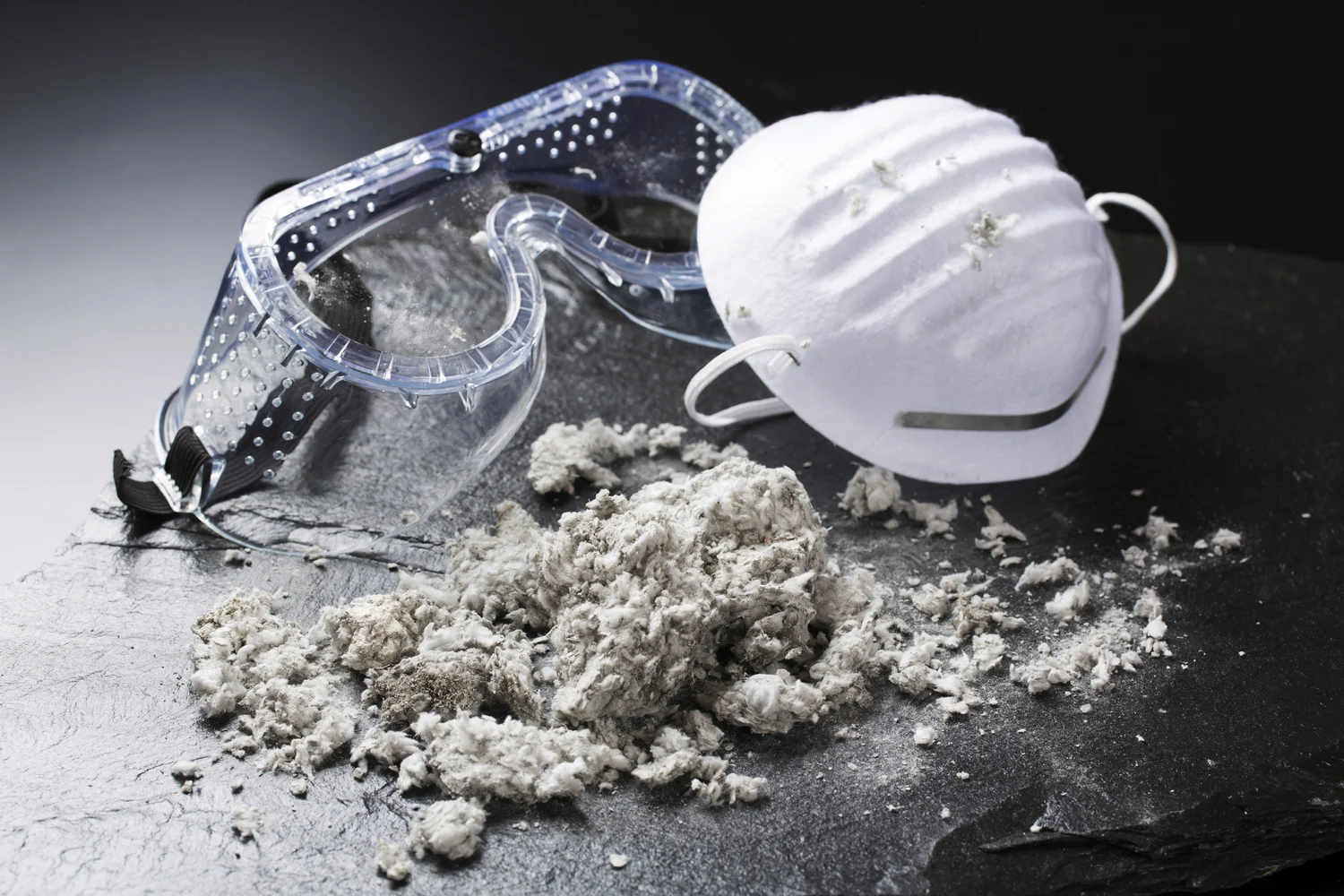
- Friable Asbestos: Materials that can easily crumble, releasing asbestos fibers. Examples include insulation, pipe lagging, and sprayed-on coatings.
- Non-Friable Asbestos: More solid materials, such as asbestos cement sheeting, floor tiles, and roofing materials, which are less likely to release fibers unless disturbed.
Types of Asbestos-Containing Materials (ACMs)
Common ACMs found in buildings include:
- Asbestos Cement Sheeting: Used in roofing and cladding.
- Vinyl Floor Tiles: Commonly used in older buildings.
- Pipe Insulation: Found in older heating systems.
- Textured Paints and Plasters: Often used in ceilings and walls.
Asbestos Handling Procedures
Handling asbestos-containing materials requires strict adherence to safety protocols to avoid fiber release into the air. The key steps in asbestos handling include:
- Use of Personal Protective Equipment (PPE):
- Workers must wear disposable coveralls, respirators with HEPA filters, and gloves to prevent exposure.
- Wet Methods:
- Asbestos-containing materials should be kept wet to prevent fiber release during removal.
- Containment:
- Sealing the work area with plastic sheeting and using negative air pressure systems to prevent asbestos fibers from escaping.
- Safe Packaging:
- ACMs should be double-wrapped in puncture-resistant plastic bags or fiber drums. Containers must be clearly labeled as containing asbestos.
- Proper Disposal:
- Asbestos waste must be transported to licensed hazardous waste disposal sites, following all safety regulations to prevent environmental contamination.
Legal and Regulatory Framework for Asbestos Disposal
Several organizations regulate the safe disposal of asbestos waste, including:
- EPA (Environmental Protection Agency): Oversees asbestos removal and disposal under the Clean Air Act and other environmental laws.
- OSHA (Occupational Safety and Health Administration): Sets standards for safe asbestos exposure in the workplace.
- Local Regulations: Each region or country may have specific guidelines on how to manage, transport, and dispose of asbestos.
Key guidelines include:
- Licensing: Only licensed contractors should handle asbestos.
- Training: Workers must receive specialized training in asbestos handling.
- Disposal Sites: Asbestos must be disposed of in EPA-approved landfills or transfer stations.
Asbestos Waste Management Plan (WMP)
An Asbestos Waste Management Plan (WMP) should be developed to guide the entire asbestos handling process, including collection, transport, storage, and disposal. Key elements include:
- Collection: Use of appropriate PPE and wet methods to minimize fiber release.
- Transport: Transporting asbestos waste securely in enclosed vehicles with proper documentation.
- Storage: Storing asbestos waste in secure, labeled containers until it is disposed of.
- Disposal: Transporting to licensed landfills that meet specific environmental standards for asbestos containment.
Safe Abatement and Removal Procedures
Professional Abatement:
- Licensed removalists should handle friable asbestos. For non-friable asbestos, DIY removal may be permitted under strict conditions.
Removal Process:
- Wet Methods: To reduce fiber release, ACMs should be kept moist during removal.
- Air Monitoring: Regular air quality tests ensure that asbestos fibers are not airborne during removal.
- Decontamination: After removal, all workers and equipment must undergo decontamination using HEPA vacuums and wet cleaning.
Disposal:
- Asbestos waste is sealed in airtight containers or polyethylene bags and transported to a licensed hazardous waste disposal site.
Training and Awareness
Mandatory Training:
All personnel involved in asbestos handling must undergo asbestos awareness training, covering:
- Legal Obligations: Ensuring compliance with regulations.
- Control Measures: Understanding and using effective methods to control asbestos exposure.
- PPE Usage: Training on selecting and using proper PPE to minimize exposure.
- Emergency Procedures: Preparing for accidental releases and exposures.
Supervisor Training:
Supervisors should undergo additional training to oversee safe asbestos handling and ensure regulatory compliance.
International Best Practices
Disposal Options:
- Secure Landfills: Preferred method for asbestos disposal, ensuring proper containment and labeling.
- Reuse and Recycling: Limited use due to health concerns.
- Sea Disposal: Allowed under strict international conventions, requiring containment and monitoring.
Environmental Protection:
- Containment: Proper packaging and transportation to prevent fiber release.
- Air Monitoring: Regular testing of air quality at storage and disposal sites.
Conclusion
Proper handling and disposal of asbestos are essential for preventing health risks and environmental contamination. Compliance with regulatory guidelines, appropriate safety measures, and professional training are crucial to managing asbestos waste effectively. By following best practices and maintaining vigilance, organizations can significantly reduce the health risks associated with asbestos exposure.
Disclaimer: This article is for informational purposes only. Always consult with a licensed asbestos removalist or environmental health expert for proper guidance on asbestos handling and disposal.