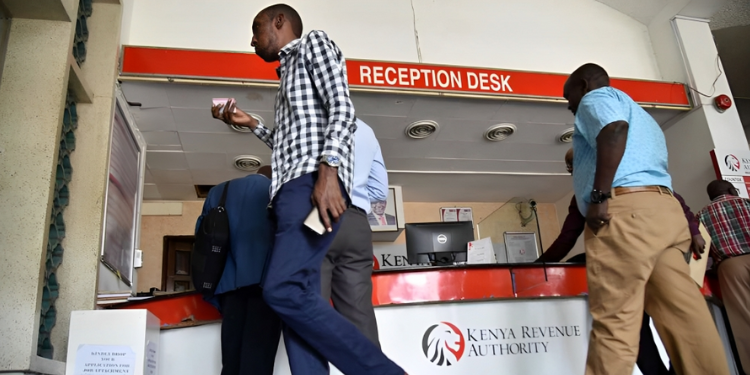
KRA body-worn cameras are set to transform how travellers and traders experience Kenya’s border points. The Kenya Revenue Authority confirmed it will equip Customs and Border Control officers with body cameras, beginning at Jomo Kenyatta International Airport.
The move comes as part of a broader push to restore trust and reduce disputes at entry points. For years, border complaints often boiled down to conflicting narratives between officers and the public. Now, KRA body-worn cameras aim to replace “your word against mine” with verifiable records.
KRA Body-Worn Cameras and Border Transparency
Customs remains one of KRA’s most public-facing departments. Officers interact daily with thousands of travellers, importers and clearing agents. Consequently, even minor misunderstandings can escalate into formal complaints.
By recording interactions, KRA body-worn cameras will create documented evidence of procedures, declarations and inspections. Therefore, both officers and travellers gain protection.
Importantly, the authority frames the initiative as an integrity reform rather than a surveillance measure. Officials argue that transparency strengthens professionalism and reduces opportunities for misconduct.
Ending Exploitation and Informal Payments
Corruption allegations at African border posts remain a persistent challenge. While Kenya has digitized many customs processes, physical inspections still require human engagement.
Body cameras introduce an accountability layer. When officers know interactions are recorded, deterrence increases. At the same time, travellers feel more secure during inspections.
This reform mirrors similar deployments in law enforcement globally. Countries in Europe and North America adopted body cameras to rebuild public trust. Kenya now extends that model to customs operations.
Faster Dispute Resolution
Previously, disputes could drag on for weeks. Complaints required written statements and internal reviews. However, recorded footage enables faster verification.
According to KRA, complaints may now be resolved within hours. That efficiency reduces administrative backlogs and strengthens institutional credibility.
Economic Impact for Traders
For traders and importers, delays translate directly into costs. Clearing goods through ports and airports affects supply chains and working capital cycles.
KRA body-worn cameras could streamline interactions and minimize arbitrary disputes. Consequently, logistics timelines may improve.
Kenya positions itself as a regional trade hub within the East African Community. Therefore, predictable and transparent customs processes support competitiveness.
Moreover, international investors evaluate border efficiency when choosing logistics corridors. Reforms that enhance accountability strengthen Kenya’s trade profile.
Aligning with Global Customs Standards
KRA says the rollout aligns Kenya with global best practices. Advanced customs agencies increasingly combine digital systems with accountability technologies.
The authority also intends to analyze recorded data to improve training and identify service gaps. That feedback loop may enhance operational consistency over time.
However, implementation will require careful data governance. Privacy safeguards and secure storage systems must accompany the technology to prevent misuse.
Why This Matters
Border integrity shapes both revenue collection and national reputation. When travellers and traders trust customs systems, compliance improves.
KRA body-worn cameras signal a shift toward evidence-based accountability. In a region where informal practices have historically undermined trade efficiency, such reforms carry weight.
For Kenya’s economy, stronger customs transparency supports tourism, aviation and import-dependent sectors.
What Happens Next
The initial rollout begins at JKIA before potential expansion to other entry points. KRA will likely monitor early outcomes and adjust operational protocols.
If successful, the initiative could become a benchmark for other East African revenue authorities. Over time, transparent border management may enhance both compliance and investor confidence.