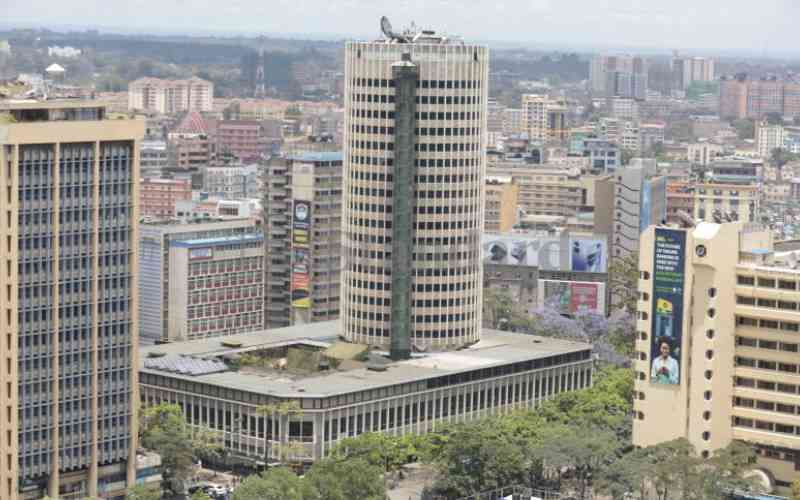
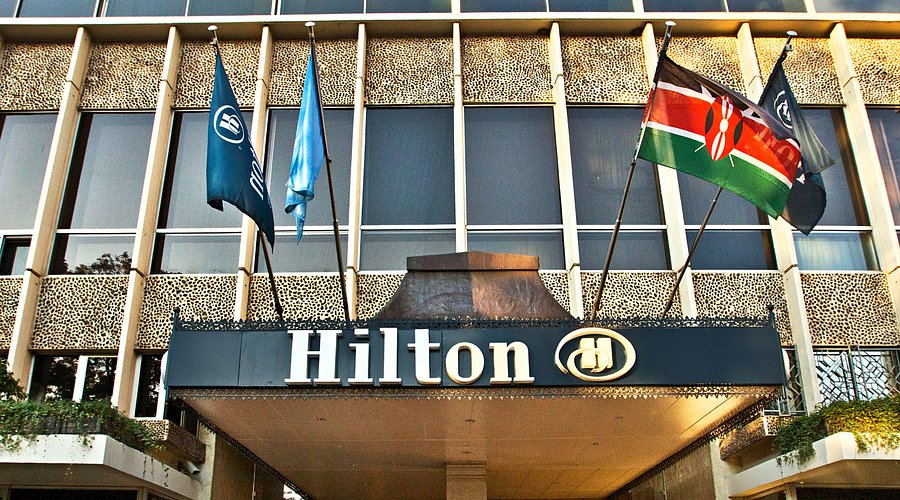
Hilton Nairobi CBD is staging a measured comeback after a stalled privatization effort left the landmark property shuttered for over three years. Although full hotel operations remain suspended, conferencing and meeting facilities have resumed, breathing commercial life back into Nairobi’s Central Business District.
The revival comes after earlier attempts to sell the 287-room property failed to meet the reserve price set by the Privatisation Authority. As a result, ownership remains under International Hotels Kenya Limited, with the government holding 40.58% and Hilton International retaining 59.42%.
Hilton Nairobi CBD After the Failed Sale
Hilton Nairobi CBD closed indefinitely on December 31, 2022, ending decades of service as one of the city’s flagship hotels. The closure reflected broader post-pandemic shifts in urban hospitality and a cooling investor appetite for legacy city-center assets.
Privatization plans aimed to reposition or redevelop the property. However, bids fell short of expectations. Consequently, the government and Hilton International paused the sale.
Rather than leave the building dormant, operators have opted for phased reactivation. This approach reduces operating costs while preserving asset value.
Conferencing and Events Drive the Comeback
In March 2026, the mezzanine floor reopened for conferencing and corporate events. Nairobi’s CBD continues to generate demand for centrally located meeting venues, particularly for government agencies, NGOs and corporate clients.
To support the relaunch, Hilton Nairobi CBD partnered with Sarova Hotels & Resorts for outside catering services. This collaboration ensures service quality without restoring full hotel kitchen operations.
Co-working Signals a Strategic Pivot
In November 2025, part of the property transitioned into Tulivu Co-working Space. The move reflects a structural shift in urban office demand.
Hybrid work models have reduced reliance on traditional long-term office leases. Therefore, flexible workspaces now attract professionals, startups and project teams seeking central access without permanent commitments.
This repositioning aligns Hilton Nairobi CBD with a broader trend seen in global city centers, where hospitality assets diversify into mixed-use functions.
Cultural and Commercial Relevance
Despite scaled-down operations, the property continues to host public events. For example, Bongo Star Search auditions took place at the venue in March 2026.
Such gatherings reinforce the building’s symbolic importance. For decades, Hilton Nairobi CBD served as a political, diplomatic and social hub. Its partial revival preserves that legacy even without guest rooms in operation.
Moreover, Nairobi’s CBD faces growing competition from Upper Hill and Westlands. Therefore, maintaining active commercial spaces helps prevent further decline in downtown foot traffic.
Investment and Repositioning Challenges
Industry observers suggest the property may be repositioned as a three-star facility in future. However, significant capital expenditure would be required to modernize rooms and infrastructure.
Global hospitality markets increasingly favor lifestyle brands and mixed-use developments. Investors often seek flexible assets that combine accommodation, retail and office components.
For Kenya, the case of Hilton Nairobi CBD highlights a broader privatization challenge. State-linked assets must balance fiscal returns with market realities.
Regional Context and African Implications
Across Africa, legacy city-center hotels face similar pressures. In Lagos, Johannesburg and Cairo, operators adapt properties to evolving urban economics.
Kenya’s tourism rebound has focused largely on safari and coastal destinations. Meanwhile, corporate travel patterns remain uneven. Therefore, selective reopening allows asset preservation without full exposure to operating losses.
Additionally, Nairobi positions itself as a regional conference and diplomatic hub. Reviving event spaces supports that strategy even before full hospitality services return.
Why This Matters
Hilton Nairobi CBD represents more than a hotel. It symbolizes Nairobi’s commercial identity.
Its revival demonstrates adaptive asset management in a changing hospitality market. Instead of waiting for a perfect buyer, operators are monetizing demand segments that remain viable.
For Nairobi’s CBD, active conferencing and co-working operations help sustain economic vibrancy.
What Happens Next
Long-term plans depend on investor appetite and renovation financing. Authorities may revisit privatization once market conditions improve.
In the meantime, phased operations allow Hilton Nairobi CBD to generate revenue while preserving brand presence. Whether the property returns as a full-service hotel or evolves into a mixed-use landmark remains an open question.