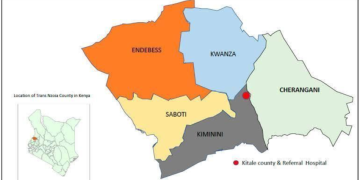
The push for Kiminini town status is more than a political formality—it’s a necessity for sustainable growth. Despite being the second-largest urban area in Trans Nzoia County, Kiminini remains unclassified under the Urban Areas and Cities Act. Without this official recognition, Kiminini operates in a grey zone, lacking a formal structure for planning, infrastructure development, and service delivery. This gap hampers its ability to access funding, enforce zoning, and attract strategic investments that can improve livelihoods.
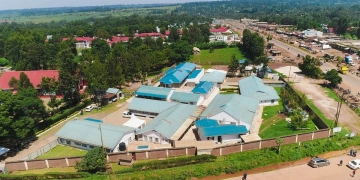
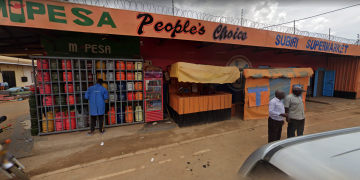
Kiminini’s population now exceeds 15,000 within the broader urban area, and it functions as a sub-county headquarters with bustling markets, schools, administrative offices, and expanding residential zones. However, its infrastructure, such as roads, sanitation, and waste management, lags behind due to lack of formal governance mechanisms. Granting Kiminini official town status would provide a clear legal and institutional framework to guide growth, coordinate services, and enable it to receive national and county development support effectively.
How Town Status Would Benefit Kiminini
Benefit
Impact on Development
Urban Governance Framework
Enables establishment of municipal boards for structured leadership
Budget Allocation & Grants
Increases eligibility for county and national urban funds
Planning Authority
Empowers enforcement of zoning, housing, and land-use regulations
Infrastructure Development
Facilitates investment in roads, drainage, lighting, and green space
Enhanced Service Delivery
Improves water, sanitation, and waste collection systems
Current Features Supporting Town Status
Feature
Description
Population
Estimated 15,000+ residents; high density near market center
Economic Base
Anchored on agriculture, trade, and growing informal sector
Institutions
Sub-county HQ, schools, polytechnic, health centers
Transport Network
Highway access (Kitale–Webuye), bus stage, boda-boda routes
Administrative Role
Hosts national and county offices, including DCC and Sub-County Admin
Key Development Barriers Without Town Status
Barrier
Consequence
No Approved Physical Plan
Leads to uncontrolled sprawl and land-use conflicts
Weak Enforcement
Illegal developments and misuse of public land
Limited Funding Access
Missed opportunities for infrastructure grants and partnerships
Inefficient Public Services
Delays in waste collection, poor sanitation, unreliable drainage
Unclear Governance
No formal urban board to coordinate development and public input
Criteria for Town Status in Kenya (Urban Areas and Cities Act)
Requirement
Kiminini’s Position
Minimum Population (10,000)
✔ Met (Estimated 15,000+)
Economic Base
✔ Strong in agriculture and trade
Infrastructure
❌ Partial (Requires formal planning and expansion)
Capacity for Governance
✔ Existing administrative offices and public participation potential
Land Use Plan
❌ Lacking approved development plan
Conclusion
Formalizing Kiminini town status is vital for its future. The town already meets key demographic and economic thresholds, but its growth risks becoming chaotic without structured planning and governance. Official recognition would pave the way for improved public services, orderly expansion, and the kind of investment needed to transform Kiminini into a model secondary town in Kenya. This is not just about administrative labels—it’s about unlocking the town’s full potential for the benefit of its residents.
Nyongesa Sande offers diverse content across news, technology, entertainment, and more, aiming to provide readers with a wide range of informative and engaging articles. NYONGESA SANDE's dedicated team provides our audience not only with the highly relevant news but also with outstanding interactive experience.