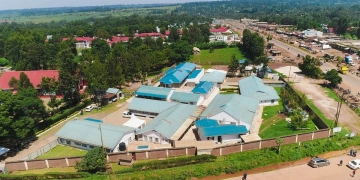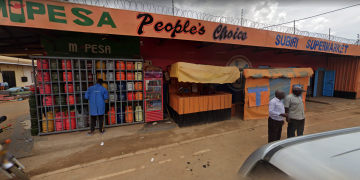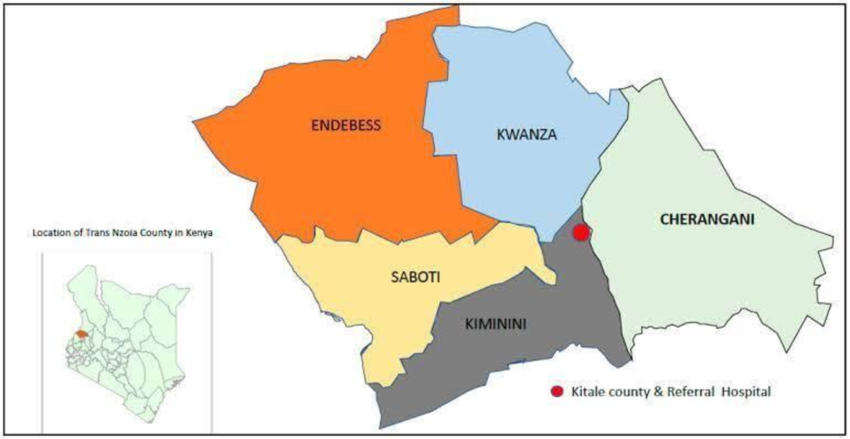
Kiminini socio-economic challenges are multi-layered, affecting the town’s transition from a rural center to a structured urban settlement. As Trans Nzoia County’s second-largest town, Kiminini is expanding rapidly in population and economic activity—but this growth outpaces service delivery and infrastructure development. Many residents face low income levels, unstable employment, poor housing conditions, and lack of access to essential amenities like water, sanitation, and reliable healthcare.
The informal sector dominates employment in Kiminini, absorbing a majority of youth and low-skilled workers in jobs that are largely unregulated, low-paying, and vulnerable. These economic strains are compounded by housing congestion, unplanned urban sprawl, and insufficient access to quality education and public services. While community efforts and devolution have led to some development, systemic issues continue to widen inequality and limit opportunities for social mobility.
Income Distribution Among Kiminini Households
| Income Bracket (KES/month) | Percentage of Residents | Description |
|---|---|---|
| Less than 2,500 | <5% | Extreme poverty; vulnerable groups |
| 2,500–10,000 | ~60% | Majority in informal sector |
| 10,001–50,000 | ~30% | Skilled professionals and traders |
| Over 50,000 | <5% | Business owners, civil servants |
Source: Household Survey 2017 – Geodev Kenya
Key Socio-Economic Challenges in Kiminini
| Challenge | Impact on Residents |
|---|---|
| Unemployment & Underemployment | Many youths rely on casual labor or bodaboda operations |
| Poor Urban Infrastructure | Unpaved roads, lack of drainage, and unreliable power supply |
| Inadequate Sanitation | Only one functioning public toilet; widespread use of pit latrines |
| Housing Deficits | Overcrowding, poor ventilation, and limited sewer systems |
| Low Public Participation | Residents rarely engage in civic forums or planning decisions |
| Substance Abuse & Crime | Driven by idleness, poverty, and lack of recreational facilities |
| Gender Inequality & Youth Marginalization | Limited access to financial resources and leadership roles |
Public Services Gap Snapshot
| Service Area | Status & Gaps |
|---|---|
| Education | Schools available but overcrowded and under-resourced |
| Healthcare | Only one health center and a dispensary serve entire sub-county |
| Waste Management | No landfill; garbage often dumped or burned in public spaces |
| Water Supply | Dependence on boreholes and kiosks; piped water remains inaccessible to most |
| Transport | Poor road networks; risky for pedestrians and bodaboda users |
Conclusion
Tackling Kiminini socio-economic challenges requires coordinated planning, youth-targeted programs, and inclusive service delivery. Without urgent attention to poverty, job creation, infrastructure, and social equity, the town risks stalling its urban transition. But with its vibrant population and strategic location, Kiminini can overcome these hurdles through stronger governance, community participation, and targeted investments in education, sanitation, and economic empowerment.