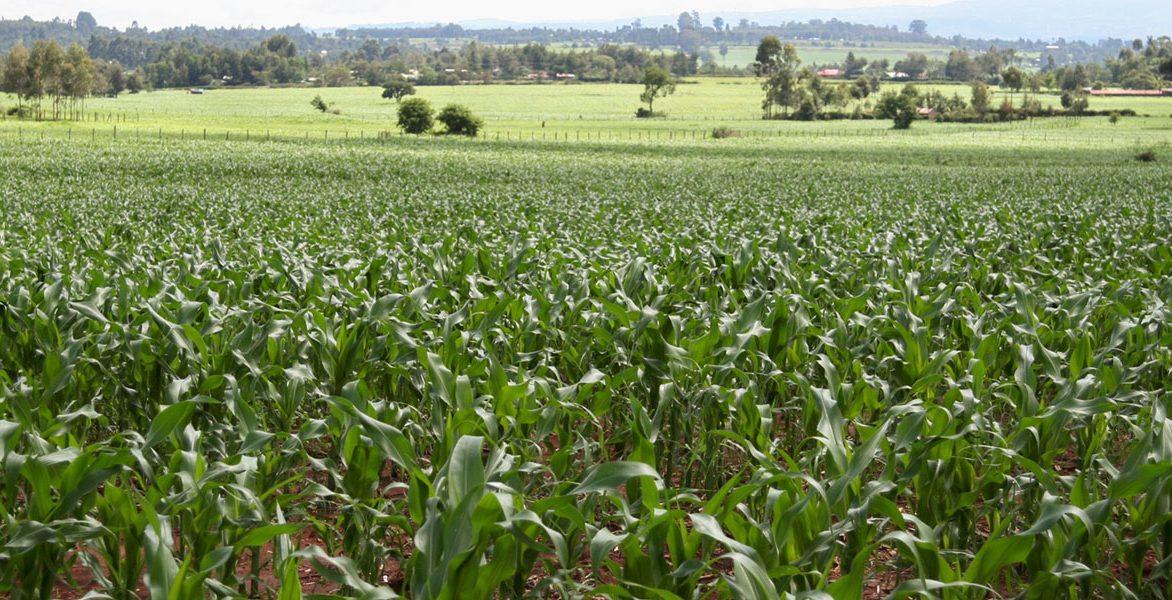
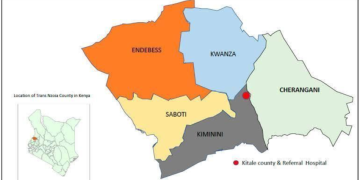
Kiminini agriculture has been the backbone of the town’s economy and identity since its colonial beginnings. Originally part of expansive white settler estates, Kiminini’s fertile soils and favorable climate made it a prime region for large-scale farming. After independence, land redistribution allowed local families to acquire these farms. However, fragmentation due to inheritance and sales significantly reduced productivity. Today, agriculture still defines Kiminini, supporting livelihoods and shaping commercial activity, even as the town transforms into a semi-urban hub.
Despite challenges like uncoordinated land use and declining yields, agriculture remains central to Kiminini’s future. The region supplies maize, beans, vegetables, and dairy products to Kitale and beyond. There’s a growing opportunity for agribusiness, value addition, and cooperative-based farming to revitalize productivity. With its youthful population, proximity to markets, and ongoing infrastructural investments, Kiminini is poised to evolve from a subsistence-based economy to a modern agri-industrial town.
Main Agricultural Products in Kiminini
Crop/Livestock
Description
Maize
Most widely grown; sold to local traders and regional mills
Beans
Grown for subsistence and local market sale
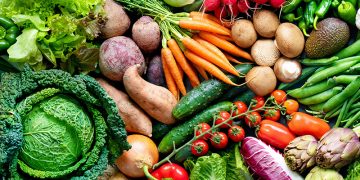
Horticulture (e.g., kale, tomatoes)
Expanding but limited by land size and water access
Dairy Farming
Smallholder level; produces milk for domestic use and roadside sales
Poultry and Livestock
Common in rural outskirts; used for meat and income
Challenges Facing Kiminini’s Agriculture
Challenge
Effect
Land Fragmentation
Reduced farm sizes; limited economies of scale
Declining Soil Fertility
Overuse of land without proper inputs; declining yields
Inadequate Storage Facilities
Post-harvest losses; price instability due to oversupply at harvest
Water Scarcity/Irrigation
Limited irrigation infrastructure; heavy reliance on rainfall
Youth Disinterest
Urban migration; limited youth participation in farming
Opportunities for Agricultural Growth
Opportunity
Potential Impact
Cooperative Farming Models
Pooling land and resources to scale up production
Agro-processing Facilities
Value addition to raw produce; job creation
Extension Services & Training
Modern techniques for youth and smallholder farmers
Market Access & Digital Tools
Better pricing, mobile platforms for sales, and agri-financing options
Climate-Resilient Practices
Sustainability through organic inputs, rain harvesting, crop rotation
Agricultural Land Ownership Patterns
Land Type
Description
Freehold
Most residents own land through inheritance or purchase
Leasehold
Institutional land, former council allocations
Informal Holdings
Settlements by displaced or landless people near town boundaries
Conclusion
The past, present, and future of Kiminini agriculture remain tightly interwoven with its development trajectory. Agriculture not only feeds its people but fuels its economy and defines its culture. By modernizing farming practices, promoting agribusiness, and encouraging youth participation, Kiminini can transform from a food basket to a smart agricultural town. Ensuring land-use planning and investment in infrastructure will be key to securing this vision for generations to come.
Nyongesa Sande offers diverse content across news, technology, entertainment, and more, aiming to provide readers with a wide range of informative and engaging articles. NYONGESA SANDE's dedicated team provides our audience not only with the highly relevant news but also with outstanding interactive experience.