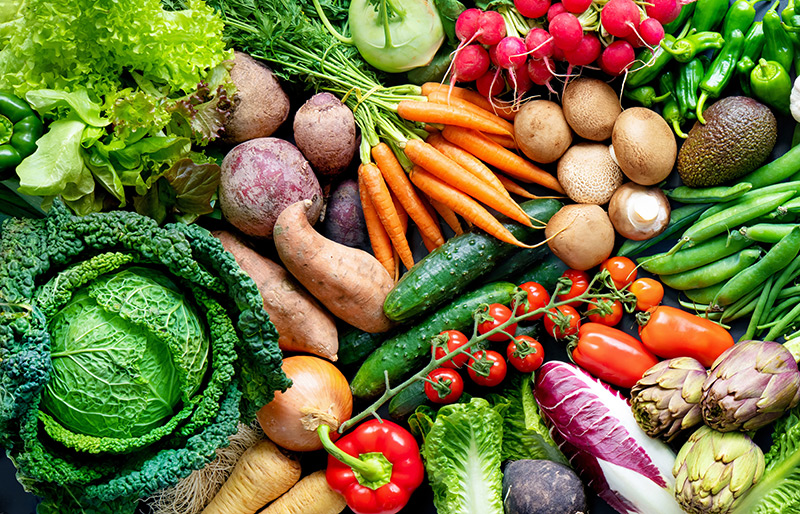
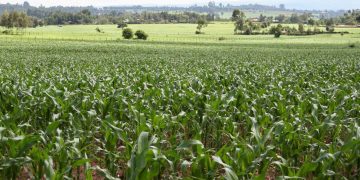
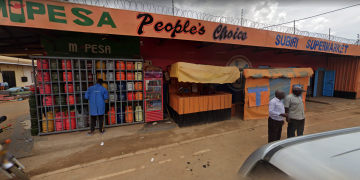
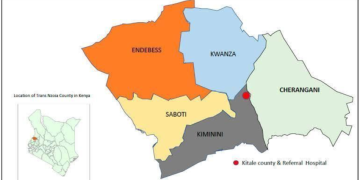
The Kiminini agricultural market has evolved into a vital trade center, linking rural producers to commercial buyers across Trans Nzoia and neighboring counties. Strategically located along the busy Kitale–Webuye highway, Kiminini is perfectly positioned to serve as a collection and redistribution point for agricultural goods like maize, beans, vegetables, and dairy. Farmers from Sikhendu, Ndalu, Machewa, and Lukhome converge here to sell produce and access essential services.
Supported by a busy open-air market, transport links, and proximity to Kitale—the county’s primary urban center—Kiminini serves not only as a producer zone but also a growing consumer and value addition hub. With storage warehouses, roadside kiosks, livestock sale yards, and agrovet stores, the town’s economy is deeply rooted in agriculture. However, poor planning, inadequate storage, and market congestion still pose operational constraints. Investing in structured market spaces and cold chain facilities could greatly enhance Kiminini’s trade capacity.
Key Agricultural Commodities Traded in Kiminini
Commodity
Source Area
Market Use
Maize
Masaba, Sikhendu
Sold to traders, processed in Kitale mills
Beans
Ndalu, Machewa
Marketed locally and regionally
Dairy Products
Outskirts of Kiminini
Sold at kiosks and to hotels
Vegetables
Kananachi, Lukhome
Daily trade in fresh produce stalls
Poultry & Livestock
Various households
Sold at local sale yards and open markets
Features Supporting Market Activity
Feature
Description
Open-Air Market
Primary location for daily produce and livestock trade
Highway Access
Facilitates transport to Kitale, Webuye, and Bungoma
Bus Stage & Bodaboda Network
Ensures rural-urban movement of goods and people
Roadside Retail & Wholesalers
Support surrounding trading centers with bulk goods
Agro-dealer and Input Shops
Offer seeds, tools, animal feeds, and basic farm services
Challenges Facing Kiminini’s Agricultural Trade
Challenge
Impact
Market Congestion
Stalls overflow onto roads; unsafe and unregulated
Limited Storage Facilities
Post-harvest losses; reliance on middlemen
Poor Sanitation
Food safety risks in the open market
Inadequate Infrastructure
Lack of loading bays, drainage, and cold storage
Informal Trade Dominance
Limits tax collection and formal growth tracking
Opportunities for Market Development
Opportunity
Benefit
Cold Storage Facilities
Reduces waste and extends shelf life of perishables
Cooperative Marketing Structures
Empowers smallholder farmers through price control and bulk sales
Digital Market Platforms
Enables remote price discovery and mobile payments
Structured Livestock Markets
Standardizes meat trade and improves veterinary oversight
Expansion of Urban Planning
Formalizes stalls and improves traffic, hygiene, and security
Conclusion
The Kiminini agricultural market plays a pivotal role in regional food systems by linking rural producers to buyers and services. Despite infrastructural challenges, its location and high volume of trade make it a prime candidate for structured market development. With targeted investments in storage, sanitation, and digital commerce, Kiminini could emerge as a flagship agri-market town in Western Kenya.
Nyongesa Sande offers diverse content across news, technology, entertainment, and more, aiming to provide readers with a wide range of informative and engaging articles. NYONGESA SANDE's dedicated team provides our audience not only with the highly relevant news but also with outstanding interactive experience.