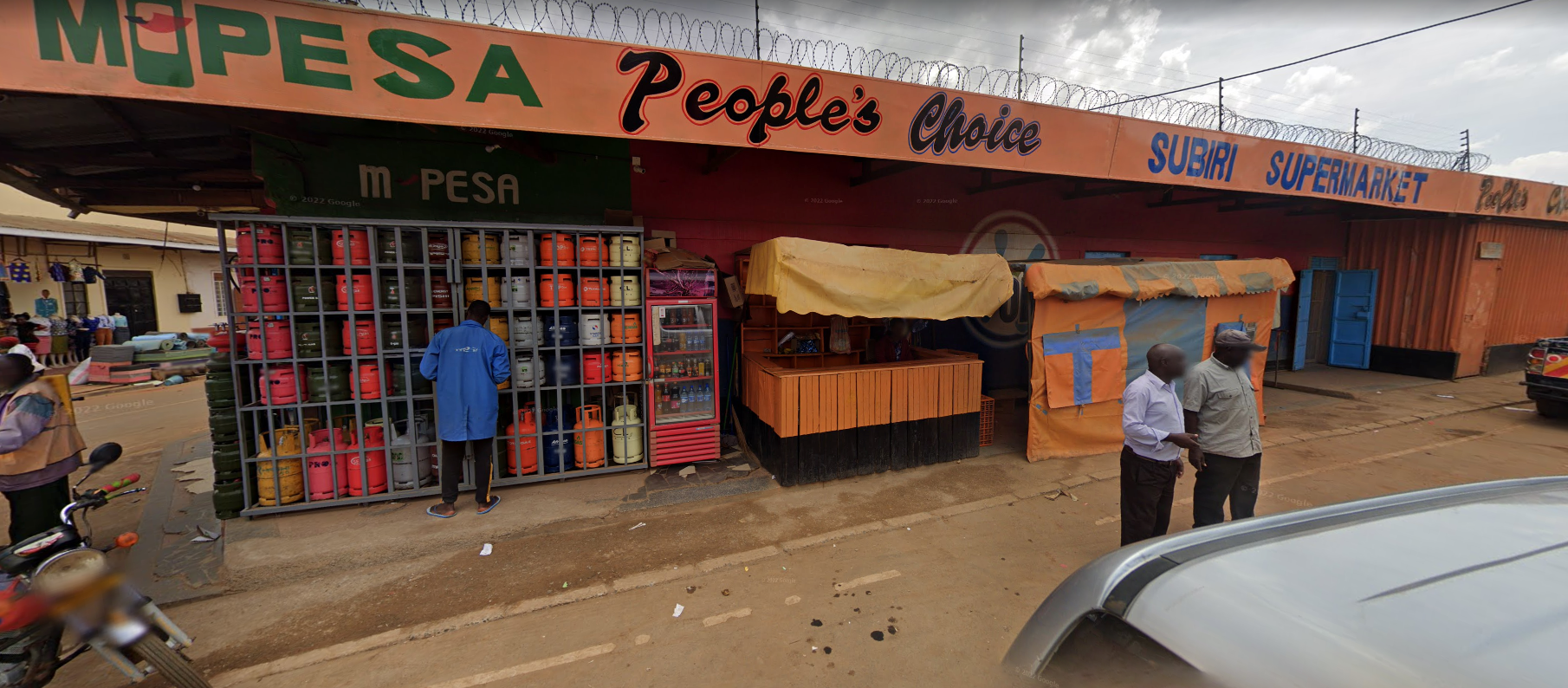
The Kiminini informal sector plays a vital role in the town’s economy, offering employment, services, and income for a majority of residents. With limited access to formal jobs, many people have turned to Jua Kali work—informal, small-scale activities like metalwork, tailoring, carpentry, hawking, and transport services. These enterprises, though often unregulated and under-supported, form the backbone of Kiminini’s local economy.
Located around busy intersections, roadside stalls, and residential backyards, Jua Kali businesses meet daily needs—from food vending to shoe repair—while sustaining thousands of livelihoods. Despite their importance, these workers face challenges including poor infrastructure, lack of credit access, and limited workspace. Recognizing and empowering the informal sector is essential to harnessing Kiminini’s full economic potential and fostering inclusive urban development.
Common Jua Kali Activities in Kiminini
Activity Type
Description
Key Locations
Welding and Metalwork
Makes gates, grills, repairs metal items
Ndalu Road cluster
Tailoring and Dressmaking
Custom clothing, school uniforms, quick repairs
Market perimeter
Cobblers and Shoemakers
Shoe repair, resale of used footwear
Market entry zones
Hairdressing and Salons
Affordable grooming services
Roadside kiosks, backyards
Mechanics and Car Wash
Motorcycle and vehicle repair, informal car wash centers
Near fuel stations
Food Vending and Kiosks
Ready-to-eat meals, tea stalls, fruit and vegetable sales
Along 540 Street, bus stop
Hawking and Street Trade
Selling utensils, clothing, electronics on foot
Town center and open-air
Contribution to Kiminini’s Economy
Impact Area
Informal Sector Role
Employment
Engages over half of Kiminini’s working population
Local Supply Chains
Links agriculture, retail, and service sectors
Gender Inclusion
Many women operate small stalls and home-based services
Skills Development
Apprenticeships and peer-to-peer training sustain local trades
Affordable Services
Provides low-cost goods and services to middle and low-income groups
Key Challenges Faced by Jua Kali Workers
Challenge
Effect on Informal Businesses
Lack of Workspaces
Encroachment, harassment, and lack of stability
Poor Sanitation & Drainage
Unhygienic work environments, especially during rainy seasons
Limited Credit Access
Inability to expand or formalize businesses
Insecurity
Theft, vandalism, and night-time business disruption
No Legal Protection
Vulnerable to eviction, exploitation, and lack of social security
Support Needed for Sector Growth
Recommendation
Expected Impact
Establish Designated Jua Kali Sheds
Provide secure, structured spaces for artisans
Microfinance and SACCO Support
Enable access to affordable loans and capital
Skills Training Programs
Enhance product quality and competitiveness
Public-Private Partnerships
Link informal workers to institutions and supply chains
Infrastructure Improvement
Better roads, drainage, and lighting to support daily operations
Conclusion
The Kiminini informal sector is not just a fallback for the unemployed—it is an engine of local innovation, resilience, and economic participation. From metal fabricators to market vendors, Jua Kali workers are the unsung drivers of Kiminini’s economy. Supporting them through infrastructure, policy, and finance can uplift thousands of families and steer the town toward inclusive urban growth.
Nyongesa Sande offers diverse content across news, technology, entertainment, and more, aiming to provide readers with a wide range of informative and engaging articles. NYONGESA SANDE's dedicated team provides our audience not only with the highly relevant news but also with outstanding interactive experience.