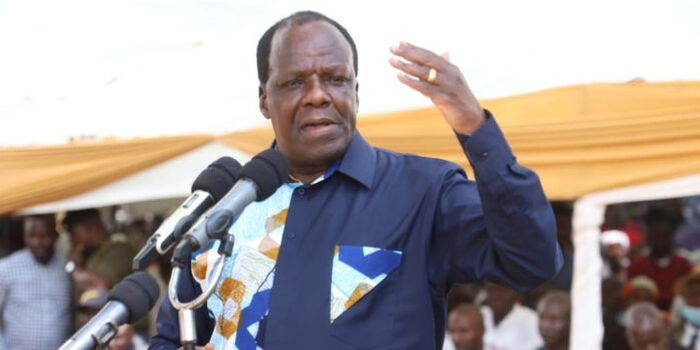
In the aftermath of Kenya’s violent and disputed 2007 elections, the country teetered on the brink of collapse. Amid this national uncertainty, Kenneth Marende, a former MP from Emuhaya, emerged as a unifying figure. His election as Speaker of the National Assembly in January 2008 became one of the most critical moments in Kenya’s political stabilization process. The Kenneth Marende National Speaker story is a landmark example of leadership rising from chaos.
Background: A Reformist From Vihiga
Kenneth Marende, a trained lawyer, had served as Emuhaya MP under the NARC coalition from 2002 to 2007. Known for his calm demeanor, legal acumen, and technocratic style, Marende became a respected figure in Parliament, especially among reform-minded MPs.
Marende was elected as the speaker of parliament, vacating the MP seat, his reputation made him a consensus candidate for Speaker in the midst of the Grand Coalition standoff between Raila Odinga’s ODM and Mwai Kibaki’s PNU.Wilber Otichilo was then elected to replace him as Emuhaya MP in a By-election.
The 2007–2008 Crisis and Search for Neutral Leadership
After the December 2007 general election, Kenya plunged into post-election violence. Hundreds were killed, and hundreds of thousands displaced. The country was politically split, and both ODM and PNU laid claim to legitimacy.
In this fragile context, the election of the Speaker of the National Assembly became a symbolic and practical necessity. Parliament needed a neutral, respected figure who could navigate the deep political rifts.
The Contested Speaker Vote
The Speaker’s election on January 15, 2008, was one of the most tense and closely watched in Kenya’s history. Kenneth Marende, backed by ODM, faced off against Francis ole Kaparo, the outgoing Speaker backed by PNU.
After two rounds of voting failed to yield a clear winner, the third round secured Marende’s election by a narrow margin—thanks to a unified opposition front and a few swing votes from smaller parties.
This moment was a turning point. The Kenneth Marende National Speaker victory signaled:
- A check against executive overreach.
- Restoration of parliamentary independence.
- Hope for political compromise in a deeply divided nation.
Steering a Divided House
As Speaker, Marende’s neutrality and legal brilliance were tested almost immediately. With both Kibaki and Odinga claiming power, Marende refused to take sides in House rulings. He insisted on constitutionalism, fairness, and procedural balance.
One of his most celebrated decisions was in April 2009, when he ruled that neither the President nor Prime Minister could unilaterally appoint the Leader of Government Business in Parliament. This landmark ruling protected coalition integrity and was hailed as a victory for parliamentary democracy.
Legacy in Kakamega and Vihiga
Though no longer an MP, Marende’s elevation to Speaker placed Vihiga County at the center of national leadership. His speakership marked the first time a Luhya leader had held such a senior parliamentary role.
He became a symbol of non-partisan leadership, and his rulings earned admiration across party lines. In a time of chaos, Marende was Kenya’s voice of reason.
Conclusion
The Kenneth Marende National Speaker election in 2008 was not just a procedural milestone—it was a constitutional lifeline. Rising from Vihiga, Marende brought wisdom, neutrality, and legal clarity to a country in turmoil. His tenure restored faith in Parliament and proved that strong institutions could survive even in the darkest of political moments.
His legacy remains a testament to how one principled leader can guide a nation back from the brink.