Bunyore political history is deeply tied to the evolution of Emuhaya, Luanda and the wider Vihiga political landscape. From the early post-independence years to the current devolved government era, Bunyore has produced influential Members of Parliament, parliamentary leaders, county officials and national figures.
The region’s political story begins with the larger Emuhaya Constituency, which was established for the 1963 elections. For decades, Emuhaya represented a broad Bunyore political identity before Luanda Constituency was created in 2013 after being split from the larger Emuhaya Constituency.
Bunyore is a locality in the Vihiga County in the western province of Kenya. It is largely inhabited by Luhya, who speak the OLunyole dialect of the Luhya language. In the local language, the place is known as Ebunyore and its people as the Abanyore (the descendants of Anyore). It is divided into eight locations namely Central Bunyore, West Bunyore, South Bunyore, South-West Bunyore, East Bunyore, North Bunyore, North East Bunyore, and Wekhomo. Prior to 1990, Bunyore was under Kakamega District, divided into East and West Bunyore locations. As population increased, the former West Bunyore was split into Central, West, South and South West locations while the former East Bunyore was split into North, North East, Wekhomo and East Bunyore locations in order to better serve the people.
Bunyore is home to the national headquarters of the Church of God in Kenya, Bunyore Girls’ High School and Kima School of Theology all of which are located at Kima. A significant town in Bunyore is Luanda, Kenya, located on the Kisumu-Busia Highway. Maseno University, in the neighboring Maseno town, is less than 6 miles from Kima.
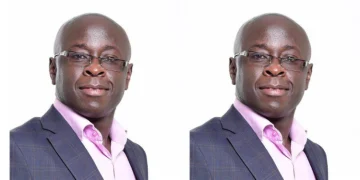
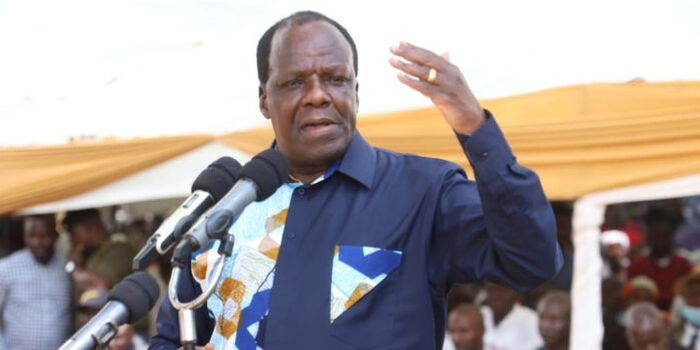
This history is important because Bunyore has not only elected local representatives but also produced leaders who rose to national prominence. Kenneth Otiato Marende became Speaker of the National Assembly. Wilber Khasilwa Ottichilo moved from Parliament to become Governor of Vihiga County. Godfrey Osotsi serves as Vihiga Senator, while Ayub Savula Angatia, with roots in Western Kenya politics, moved from Lugari MP to Deputy Governor of Kakamega County.
Together, these leaders show how Bunyore’s political influence extends beyond constituency boundaries.
Quick Facts About Bunyore Political History
| Category | Details |
|---|---|
| Main historic constituency | Emuhaya Constituency |
| New constituency created from Emuhaya | Luanda Constituency |
| Year Luanda was created | 2013 |
| First listed post-independence Emuhaya MP | Eric Edward Khasakhala |
| Current Emuhaya MP | Jeremiah Omboko Milemba |
| First Luanda MP | Christopher Omulele |
| Current Luanda MP | Dick Maungu |
| Notable national figure | Kenneth Otiato Marende |
| Current Vihiga Governor | Wilber Khasilwa Ottichilo |
| Current Vihiga Senator | Godfrey Osotsi |
| Notable county leader | Caleb Amaswache, former Vihiga Deputy Governor |
Emuhaya and the Roots of Bunyore Representation
For many years, Emuhaya Constituency was the main parliamentary platform through which Bunyore expressed its political voice. The constituency carried the hopes of communities that wanted representation in national development, education, roads, public service, land matters and local economic growth.
The early years after independence were shaped by leaders who operated in a very different political environment from today. Kenya was still building its post-colonial institutions, and parliamentary politics was closely connected to questions of development, national unity and local identity.
In this period, Bunyore’s representatives were expected to do more than debate laws in Nairobi. They were also judged by their ability to speak for the community, attract development and maintain links with the grassroots.
Emuhaya Members of Parliament Since Independence
The following timeline captures the main parliamentary leadership associated with Emuhaya and the wider Bunyore political story.
| Period | Leader |
| 1963–1970 | Eric Edward Khasakhala |
| 1970–1979 | Wilson Mukuna |
| 1979–1987 | Eric Edward Khasakhala |
| 1987–1989 | Sammy Muhanji |
| 1989–1992 | Sande Mukuna |
| 1992–2002 | Sheldon Muchilwa |
| 2002–2008 | Kenneth Otiato Marende |
| 2008–2017 | Wilber Khasilwa Otichillo |
| 2017–Present | Jeremiah Omboko Milemba |
Eric Edward Khasakhala and the Early Independence Era
Eric Edward Khasakhala stands out as one of the earliest major political figures in Bunyore’s parliamentary history. His first period of service began in 1963, at the birth of Kenya’s independence-era Parliament.
That period required leaders who could interpret national politics for local communities while also carrying local concerns to the national stage. Khasakhala’s return to Parliament from 1979 to 1987 also shows the trust he continued to command among voters.
His leadership belongs to the foundation era of Bunyore politics, when representation was closely linked to identity, access and the struggle to place local communities within the new Kenyan state.
Wilson Mukuna and the 1970s Political Phase
Wilson Mukuna served from 1970 to 1979, a period marked by one-party dominance and a political culture very different from Kenya’s current multiparty system.
During this time, parliamentary contests were often shaped by local networks, party loyalty and the ability of leaders to negotiate development priorities within the national system. Mukuna’s nearly decade-long service placed him among the important figures in the continuity of Emuhaya representation.
His era helped bridge the early independence leadership of Khasakhala and the later leaders who would emerge in the 1980s and 1990s.
Sammy Muhanji and Sande Mukuna: Transition Years
Sammy Muhanji served from 1987 to 1989, followed by Sande Mukuna from 1989 to 1992. These were politically significant years in Kenya because the country was moving toward the return of multiparty politics.
Their terms came during a period of growing national debate about democracy, political competition and representation. At the local level, Bunyore voters were also beginning to experience the pressures that would define the 1992 multiparty elections.
Although their terms were shorter than some of their predecessors, they remain part of the important transition between the old one-party order and the new multiparty era.
Sheldon Muchilwa and the Multiparty Era
Sheldon Muchilwa served from 1992 to 2002, making him one of the key Bunyore political figures of the early multiparty period.
The 1992 election marked a turning point in Kenya’s politics. Parties became more competitive, voters became more assertive, and constituencies began to experience more intense political campaigns.
Muchilwa’s decade in Parliament gave him a central place in Bunyore’s democratic transition. His leadership period covered the 1992 and 1997 elections, when Kenyan politics was being reshaped by opposition movements, party realignments and changing voter expectations.
Kenneth Otiato Marende: From Emuhaya MP to Speaker
Kenneth Otiato Marende served as Emuhaya MP from 2002 to 2008. His rise later became one of the most important national chapters connected to Bunyore political history.
After the 2007 General Election, Marende became Speaker of the National Assembly, serving from 2008 to 2013. His tenure came during a sensitive period in Kenya’s political history, especially after the 2007 post-election crisis and the formation of the Grand Coalition Government.
Marende earned national attention for his calm, firm and legally grounded handling of parliamentary affairs. For Bunyore, his rise to Speaker demonstrated that a leader from the region could shape national institutions at the highest level.
His legacy remains one of the strongest examples of Bunyore’s contribution to Kenya’s parliamentary democracy.
Wilber Khasilwa Otichillo: From Parliament to Vihiga Governor
Wilber Khasilwa Otichillo served as Emuhaya MP from 2008 to 2017. His parliamentary career followed Marende’s move to the Speaker’s office and covered a period of constitutional transformation in Kenya.
The 2010 Constitution introduced devolution, creating county governments and changing the political map. Otichillo later moved from national legislative politics to county executive leadership, becoming Governor of Vihiga County.
His journey from MP to governor reflects the shift in Kenyan politics after devolution. Local leaders were no longer judged only by their performance in Parliament. They were also expected to manage county resources, deliver services and shape development at the county level.
Jeremiah Omboko Milemba and the Current Emuhaya Era
Jeremiah Omboko Milemba has represented Emuhaya since 2017. His leadership connects Bunyore politics with education, labour issues and the modern politics of representation.
Before entering Parliament, Milemba was widely associated with the teachers’ union movement. This background has influenced his public profile, especially on education and labour-related matters.
His continued role as Emuhaya MP places him at the centre of the current Bunyore political conversation. He represents an era where voters expect strong constituency development, active parliamentary participation and visible engagement with national issues.
Luanda Constituency and the 2013 Political Realignment
Luanda Constituency was created in 2013 after being split from the larger Emuhaya Constituency. This was a major moment in Bunyore political history because it changed how representation worked in the region.
Before the split, communities under the larger Emuhaya arrangement competed for attention within one constituency. After Luanda was created, the area gained its own Member of Parliament, its own NG-CDF structure and a more direct political voice.
This gave voters in Luanda a clearer platform for local priorities such as roads, education, markets, water, youth empowerment and public infrastructure.
Luanda Members of Parliament
| Period | Leader |
| 2013–2022 | Christopher Omulele |
| 2022–Present | Dick Maungu |
Christopher Omulele: First MP for Luanda
Christopher Omulele became the first MP for Luanda after the constituency was created in 2013. His leadership helped define the new constituency’s early political identity.
As the first MP, Omulele carried the responsibility of establishing Luanda’s parliamentary presence. This meant setting the tone for development politics, constituency administration and public expectations under the new boundary arrangement.
His term remains important because first representatives often shape how voters understand the purpose and power of a new constituency.
Dick Maungu and the Current Luanda Leadership
Dick Maungu became Luanda MP after the 2022 election. His victory marked a change in Luanda politics and opened a new phase in the constituency’s leadership.
As current MP, Maungu represents Luanda in the 13th Parliament. His leadership is being judged in the context of development delivery, parliamentary engagement and how effectively he responds to local needs.
Luanda’s current politics also shows how competitive Bunyore representation has become. Voters are more informed, more demanding and more willing to change leadership when they feel a new direction is needed.
Bunyore Leaders in County and National Politics
Bunyore political history is not limited to Emuhaya and Luanda MPs. Several leaders connected to the region or wider Vihiga politics have held influential county and national positions.
Kenneth Marende’s service as Speaker of the National Assembly remains a major national milestone. Wilber Khasilwa Ottichillo’s role as Vihiga Governor connects Bunyore to county executive leadership. Godfrey Osotsi, as Vihiga Senator, represents the county in the Senate, where county interests, oversight and devolution matters are central.
Ayub Savula Angatia served as Lugari MP from 2013 to 2022 and later became Deputy Governor of Kakamega County. Caleb Amaswache served as Vihiga Deputy Governor from 2013 to 2017, during the first county government era after devolution.
These leaders show that Bunyore and the wider Western Kenya political space have contributed to Parliament, the Senate, county governments and national institutions.
Why Bunyore Political History Matters
Bunyore political history matters because it tells a larger story about representation, identity and leadership in Western Kenya.
It shows how one region moved from the independence-era politics of Emuhaya to the modern structure of Emuhaya and Luanda constituencies. It also shows how devolution expanded leadership opportunities beyond Parliament.
The region’s political journey includes long-serving MPs, transition leaders, national figures and county leaders. It reflects Kenya’s own political evolution: independence, one-party rule, multiparty democracy, constitutional reform and devolution.
For residents, this history is more than a list of names. It is a record of who spoke for the community, who shaped development priorities and who carried Bunyore’s voice into national debate.
Key Takeaways
- Bunyore’s parliamentary history is closely tied to Emuhaya Constituency.
- Emuhaya was the main political platform for Bunyore representation after independence.
- Eric Edward Khasakhala was among the earliest major leaders in the region’s parliamentary history.
- Wilson Mukuna served during the 1970s, a period shaped by one-party politics.
- Sheldon Muchilwa represented Emuhaya during the early multiparty era.
- Kenneth Otiato Marende moved from Emuhaya MP to Speaker of the National Assembly.
- Wilber Khasilwa Otichillo served as Emuhaya MP before becoming Vihiga Governor.
- Jeremiah Omboko Milemba is the current MP for Emuhaya.
- Luanda Constituency was created in 2013 from the larger Emuhaya Constituency.
- Christopher Omulele was the first MP for Luanda.
- Dick Maungu is the current MP for Luanda.
- Bunyore has produced leaders with influence in Parliament, county government and national politics.
Frequently Asked Questions
What is Bunyore political history?
Bunyore political history refers to the leadership journey of the Bunyore region, especially through Emuhaya and Luanda constituencies, from independence to the current devolved government era.
Who was the first listed MP in Bunyore political history?
Eric Edward Khasakhala is listed among the earliest post-independence MPs associated with Emuhaya and the wider Bunyore political story.
Which constituency represented Bunyore before Luanda was created?
The larger Emuhaya Constituency was the main parliamentary platform before Luanda Constituency was created.
When was Luanda Constituency created?
Luanda Constituency was created in 2013 after being split from the larger Emuhaya Constituency.
Who was the first MP for Luanda Constituency?
Christopher Omulele was the first MP for Luanda Constituency, serving from 2013 to 2022.
Who is the current MP for Luanda?
Dick Maungu is the current Member of Parliament for Luanda Constituency.
Who is the current MP for Emuhaya?
Jeremiah Omboko Milemba is the current Member of Parliament for Emuhaya Constituency.
Which Bunyore leader became Speaker of Parliament?
Kenneth Otiato Marende served as Speaker of the National Assembly from 2008 to 2013.
Who is the current Governor of Vihiga County?
Wilber Khasilwa Ottichillo is the current Governor of Vihiga County.
Why is Bunyore important in Vihiga politics?
Bunyore is important because it has produced MPs, county leaders and national figures who have influenced local development, parliamentary democracy and devolution politics.
Conclusion
Bunyore political history is a story of continuity, change and influence. From Eric Edward Khasakhala’s early post-independence leadership to Jeremiah Omboko Milemba’s current role in Emuhaya, the region has maintained a strong presence in Kenya’s parliamentary politics.
The creation of Luanda Constituency in 2013 gave part of the region a new political voice, first through Christopher Omulele and now through Dick Maungu. At the same time, leaders such as Kenneth Marende, Wilber Otichillo, Godfrey Osotsi, Ayub Savula and Caleb Amaswache show how Bunyore and the wider Vihiga political space have shaped leadership beyond constituency boundaries.
For readers, voters and researchers, this history provides a useful timeline of the people who have represented Bunyore, the institutions they served and the legacy they continue to shape in Western Kenya politics.
Read Also: Eddy Oketch Kicked Out of Senate During Heated Session