Bumula political history is an important chapter in Bungoma County politics. The constituency was established for the 1997 elections after being hived from the larger Kanduyi Constituency in 1996.
Its creation gave residents a separate parliamentary voice and allowed local concerns to receive more focused representation. Since then, Bumula has elected leaders who shaped its development, party politics and place in the wider Bukusu political landscape.
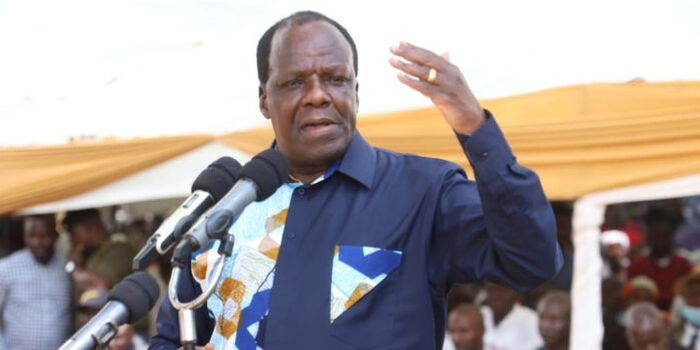
The constituency has been represented by Lawrence Simiyu Sifuna, Sylvester Bifwoli Wakoli, Boniface Otsyula, Moses Wekesa Mwambu Mabonga and Jack Wanami Wamboka. Each leader represents a different phase of Bumula’s journey, from the early multiparty era to devolution and the current political period.
Bumula is also unique because it borders Kakamega and Busia counties, giving it a strong regional character. Its politics is shaped by agriculture, education, roads, land, youth empowerment, churches, markets, cross-county trade and the strong political identity of Bungoma County. Bumula Constituency is an electoral constituency in Kenya. It is one of nine constituencies in Bungoma County. The constituency was established for the 1997 elections.
Quick Facts About Bumula Political History
| Category | Details |
|---|---|
| Constituency | Bumula Constituency |
| County | Bungoma County |
| Region | Western Kenya |
| Created | 1997 elections |
| Created from | Kanduyi Constituency |
| First MP | Lawrence Simiyu Sifuna |
| Current MP | Jack Wanami Wamboka |
| Long-serving MP | Sylvester Bifwoli Wakoli |
| Former MP | Boniface Otsyula |
| Former MP | Moses Wekesa Mwambu Mabonga |
| Wards | South Bukusu, Bumula, Khasoko, Kabula, Kimaeti, West Bukusu, Siboti |
| Key political themes | Agriculture, education, roads, youth, land, markets, party politics and devolution |
Bumula Members of Parliament
The following timeline captures the parliamentary leadership of Bumula Constituency since its creation.
| Period | Member of Parliament |
| 1997–2002 | Lawrence Simiyu Sifuna |
| 2002–2013 | Sylvester Bifwoli Wakoli |
| 2013–2017 | Boniface Otsyula |
| 2017–2022 | Moses Wekesa Mwambu Mabonga |
| 2022–Present | Jack Wanami Wamboka |
Creation of Bumula from Kanduyi
Bumula was created out of the larger Kanduyi Constituency ahead of the 1997 elections. This boundary change was important because it gave Bumula residents their own direct parliamentary representation.
Before the creation of Bumula, the area’s politics was tied to the larger Kanduyi arrangement. That meant local development priorities had to compete within a bigger constituency structure.
Once Bumula became a separate constituency, voters gained a dedicated MP and a clearer political identity. This allowed local issues such as roads, schools, markets, water, farming, youth programmes and public services to be addressed with greater focus.
The creation of Bumula also came during the multiparty era. Kenya had returned to competitive party politics in 1992, and by 1997 voters were more active, more demanding and more willing to test new leadership.
Lawrence Simiyu Sifuna: First MP for Bumula
Lawrence Simiyu Sifuna became the first MP for Bumula after the constituency was created.
His election in 1997 was historically significant because first MPs often define the political culture of a new constituency. Sifuna’s leadership helped shape Bumula’s early parliamentary identity and gave the constituency a voice in national politics.
Sifuna was already a recognised figure in Bungoma politics. Before representing Bumula, he had served in the older Bungoma South and Kanduyi political spaces. This experience gave him strong political grounding when Bumula became a separate constituency.
He was widely remembered as a bold politician, a strong public speaker and a defender of ordinary people, especially farmers. His political identity was closely linked to the struggle for democratic space and the welfare of sugarcane growers in Western Kenya.
Sifuna’s term from 1997 to 2002 placed Bumula firmly within the multiparty politics of the 1990s.
Sylvester Bifwoli Wakoli and the Long Bumula Era
Sylvester Bifwoli Wakoli served as Bumula MP from 2002 to 2013, making him the constituency’s longest-serving MP so far.
His election in 2002 came during one of Kenya’s biggest political transitions. The National Rainbow Coalition defeated KANU, ending decades of one-party dominance. Across the country, voters were looking for change, reform and new development energy.
Bifwoli Wakoli became one of the most colourful politicians in Kenya’s Parliament. He was known for humour, memorable statements and a direct style that made him stand out nationally.
However, his political career was not only about humour. He also served as Assistant Minister for Lands during the Grand Coalition Government period. This gave him a national administrative role and connected Bumula to national policy debates.
His leadership covered the Kibaki era, the 2007 disputed election, the Grand Coalition Government and the passage of the 2010 Constitution. This made his time in office one of the most politically eventful periods in modern Kenyan history.
For Bumula, Bifwoli Wakoli’s long tenure helped stabilise the young constituency after its first parliamentary cycle.
Boniface Otsyula and the First Devolution Era
Boniface Otsyula served as Bumula MP from 2013 to 2017.
His election came during Kenya’s first General Election under the 2010 Constitution. This was a major turning point because voters were now electing MPs alongside governors, senators, women representatives and MCAs.
The role of MPs changed after devolution. Before 2013, many voters looked mainly to MPs for local development. After devolution, county governments became responsible for health, county roads, markets, early childhood education and many local services.
Otsyula’s term therefore came at a time when Bumula voters were adjusting to a new political structure. The MP still remained important, especially through Parliament and NG-CDF, but development now required coordination with county government and other elected leaders.
His leadership represented Bumula’s first phase under devolution.
Moses Wekesa Mwambu Mabonga and the 2017 Shift
Moses Wekesa Mwambu Mabonga became Bumula MP after the 2017 General Election.
His victory marked another political shift in the constituency. He entered Parliament as an independent candidate, showing that voters in Bumula were willing to support a candidate beyond major party labels when they believed in his message and local connection.
Mabonga’s background included public service, religious training and advisory roles before entering Parliament. This gave him a distinctive political profile.
His term from 2017 to 2022 came during a period of strong national political competition, especially between the Jubilee government and opposition formations. At the constituency level, voters continued to focus on development, schools, roads, bursaries, water, youth concerns and local accessibility.
Mabonga later remained active in politics after losing the seat in 2022, showing that former MPs can continue to influence political conversations even outside Parliament.
Jack Wanami Wamboka and the Current Bumula Era
Jack Wanami Wamboka became Bumula MP after the 2022 General Election.
His victory marked a new phase in the constituency’s politics. He was elected on a DAP-K ticket at a time when party realignments in Western Kenya were changing rapidly.
Wamboka brought a strong public profile to Parliament and became visible in national debates. He has also been associated with committee leadership in the National Assembly, giving Bumula representation beyond ordinary constituency matters.
As current MP, Wamboka leads Bumula in an era when voters expect both local development and a strong national voice. Constituents now judge MPs by school projects, bursary support, road advocacy, water projects, youth empowerment, security, public participation and parliamentary visibility.
His leadership is still unfolding, but his election already marks an important chapter in Bumula political history.
Bumula and Bungoma County Politics
Bumula is one of the important constituencies in Bungoma County. Its location gives it both local and regional importance because it borders Kakamega and Busia counties.
This position shapes its politics. The constituency is connected to Bungoma’s Bukusu political identity, but it also interacts with neighbouring communities, markets and cross-county trade routes.
Bungoma politics is often shaped by party loyalty, community identity, development records, local networks and strong personalities. Bumula reflects all these factors.
A leader in Bumula must be able to speak to farmers, traders, teachers, churches, youth groups, women’s groups, elders and local professionals.
Agriculture and Rural Development in Bumula
Agriculture is central to Bumula political history. Many residents depend on farming, livestock keeping, small businesses and local trade.
Key agricultural issues include maize prices, fertiliser costs, farm inputs, markets, storage, rural roads and access to extension services.
Sugarcane politics has also influenced parts of the wider Bungoma and Western Kenya region. Lawrence Sifuna’s legacy as a defender of farmers connects strongly to this theme.
In Bumula, voters often judge leaders by how well they address household economic concerns. Politics is therefore not only about party slogans. It is also about roads, markets, farm income, water, schools and public services.
Education and Youth in Bumula Politics
Education remains one of the biggest political issues in Bumula. Parents expect MPs to support schools through NG-CDF, bursaries, classrooms, laboratories, desks, libraries and sanitation facilities.
Youth concerns are also central. Bumula has many young people who need jobs, training, sports support, digital skills, business capital and opportunities in public programmes.
Modern leaders in Bumula must therefore address education and youth empowerment together. A constituency that invests in schools and young people strengthens its future leadership, economy and social stability.
Roads, Water and Public Services
Roads are a major concern in Bumula because they connect homes, schools, markets, farms, churches and health facilities.
Poor roads affect farming, business, emergency services and school attendance. That is why road improvement remains one of the most common campaign issues in the constituency.
Water access is also important. Many households need reliable water for domestic use, farming and livestock. Leaders are expected to work with county and national agencies to improve water projects and sanitation.
Other public service issues include health facilities, electricity, security, markets and support for vulnerable groups.
Party Politics in Bumula
Bumula political history reflects the changing party landscape of Western Kenya.
The constituency was born during the multiparty era. Lawrence Sifuna represented the strong reformist and opposition spirit of the 1990s. Bifwoli Wakoli was closely associated with Ford-Kenya and PNU-era politics. Boniface Otsyula came in during the first devolution election. Moses Mabonga won as an independent in 2017. Jack Wamboka won under DAP-K in 2022.
This pattern shows that Bumula voters consider both party identity and individual candidate strength.
In Bungoma County, party waves matter, but they do not always decide everything. Voters also look at personality, accessibility, family networks, development record, public speaking, clan dynamics and the ability to attract resources.
Bumula and Bukusu Political Identity
Bumula is part of the wider Bukusu political landscape. Bukusu politics has historically been shaped by land, agriculture, education, churches, clan identity, party movements and strong individual leaders.
The constituency’s politics reflects these realities. Candidates often need strong grassroots networks and deep community connections. They must also understand the broader Western Kenya political mood.
Bumula’s history shows that voters are willing to elect different types of leaders: activists, humorous parliamentarians, professionals, independents and party-backed candidates.
This makes Bumula politically dynamic and difficult to take for granted.
Devolution and the Changing Role of MPs
The 2010 Constitution changed how Bumula voters judge leadership.
Before devolution, MPs were often viewed as the main drivers of local development. After devolution, county governments took over many functions, including health, county roads, markets and local planning.
This means the MP must now work within a broader leadership structure that includes the governor, senator, woman representative, MCAs and national government agencies.
Boniface Otsyula, Moses Mabonga and Jack Wamboka have all served under this devolved system. Their leadership has been judged not only by parliamentary work but also by how well Bumula benefits from NG-CDF, county development and national programmes.
Why Bumula Political History Matters
Bumula political history matters because it reflects Kenya’s wider democratic journey.
The constituency was created during the multiparty era. It has experienced the 2002 national transition, the 2007 crisis, the 2010 Constitution, the first devolution election, independent-candidate politics and the modern coalition era.
Its leaders also represent different political styles.
Lawrence Sifuna represented activism and farmer advocacy. Bifwoli Wakoli represented humour, long service and national visibility. Boniface Otsyula represented the first devolution period. Moses Mabonga represented independent-candidate success. Jack Wamboka represents the current era of strong parliamentary visibility and party realignment.
For voters, students and researchers, Bumula offers a useful example of how a young constituency develops its own political identity across different national phases.
Key Takeaways
- Bumula Constituency was created for the 1997 elections.
- It was hived from the larger Kanduyi Constituency in 1996.
- Lawrence Simiyu Sifuna was the first MP for Bumula.
- Sylvester Bifwoli Wakoli served from 2002 to 2013 and remains Bumula’s longest-serving MP so far.
- Boniface Otsyula served from 2013 to 2017 during the first devolution era.
- Moses Wekesa Mwambu Mabonga served from 2017 to 2022.
- Jack Wanami Wamboka became Bumula MP after the 2022 General Election.
- Bumula has seven wards: South Bukusu, Bumula, Khasoko, Kabula, Kimaeti, West Bukusu and Siboti.
- Agriculture, education, roads, water and youth empowerment shape local politics.
- Bumula borders Kakamega and Busia counties, giving it regional importance.
- Party politics in Bumula has shifted across Ford-Kenya, PNU, New Ford-Kenya, independent politics and DAP-K.
- Bumula political history reflects multiparty democracy, devolution and modern constituency leadership.
Frequently Asked Questions
What is Bumula political history?
Bumula political history refers to the leadership journey of Bumula Constituency in Bungoma County from its creation in the 1997 elections to the current Jack Wamboka era.
When was Bumula Constituency created?
Bumula Constituency was established for the 1997 elections after being hived from Kanduyi Constituency in 1996.
Who was the first MP for Bumula?
Lawrence Simiyu Sifuna was the first MP for Bumula, serving from 1997 to 2002.
Who served as Bumula MP from 2002 to 2013?
Sylvester Bifwoli Wakoli served as Bumula MP from 2002 to 2013.
Who served as Bumula MP from 2013 to 2017?
Boniface Otsyula served as Bumula MP from 2013 to 2017.
Who served as Bumula MP from 2017 to 2022?
Moses Wekesa Mwambu Mabonga served as Bumula MP from 2017 to 2022.
Who is the current MP for Bumula?
Jack Wanami Wamboka is the current Member of Parliament for Bumula Constituency.
Which wards are in Bumula Constituency?
Bumula has seven wards: South Bukusu, Bumula, Khasoko, Kabula, Kimaeti, West Bukusu and Siboti.
Why is Bumula important in Bungoma politics?
Bumula is important because it is a key Bungoma constituency with strong agricultural, educational, community and regional political influence.
What are the main political issues in Bumula?
The main issues include agriculture, education, roads, water, youth empowerment, markets, security, public services and constituency development.
Conclusion
Bumula political history is a story of constituency creation, leadership change and democratic growth. Since being hived from Kanduyi ahead of the 1997 elections, Bumula has developed its own political identity within Bungoma County.
Lawrence Sifuna gave the constituency its first parliamentary voice. Sylvester Bifwoli Wakoli gave it long service and national visibility. Boniface Otsyula led during the first devolution era. Moses Mabonga represented the independent-candidate phase. Jack Wanami Wamboka now leads Bumula in the current political period.
Across these generations, Bumula politics has remained rooted in practical community concerns: schools, roads, farming, water, youth, security and local development.
For voters, students and researchers, Bumula political history offers more than a list of MPs. It explains how a young constituency grew out of Kanduyi, built its own identity and became an important part of Bungoma County’s political story.
Read Also: Edwin Sifuna and the ODM Rebels: Analyzing the Political Impact of Their Stand Against Ruto