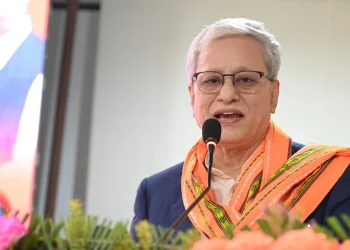
Bluesky CEO Jay Graber is stepping aside from the top role as the decentralized social platform enters a new chapter. The company confirmed that Graber will transition into a Chief Innovation Officer position, while Toni Schneider takes over as interim CEO.
The leadership shift reflects a strategic pivot. As Bluesky grows beyond its startup phase, the company appears to prioritize operational scaling and commercial sustainability over early-stage experimentation.
Bluesky CEO Transition Signals Strategic Shift
Bluesky CEO Jay Graber played a central role in transforming the platform from a niche alternative to X into a network with 43 million users. Much of that growth followed dissatisfaction among users after Elon Musk’s takeover of Twitter.
However, rapid expansion introduced new challenges. Content moderation debates intensified, and the platform faced pressure to balance decentralization with user safety.
Graber acknowledged the inflection point in a public statement. She described herself as energized by early-stage innovation rather than long-term operational management. Therefore, she positioned the move as a question of leadership fit rather than departure under pressure.
Toni Schneider Steps in as Interim Bluesky CEO
Toni Schneider brings operational experience from Automattic, the company behind WordPress.com. He also serves as a partner at venture capital firm True Ventures.
That background aligns with Bluesky’s architecture. The platform operates on the open AT Protocol, a decentralized framework similar in spirit to open-source ecosystems.
Automattic managed the commercial viability of WordPress while preserving its open foundation. Consequently, Schneider’s appointment suggests Bluesky aims to refine its monetization model without compromising its decentralized ethos.
From Growth to Execution
Under Graber’s leadership, Bluesky prioritized experimentation and community-building. Now, the focus appears to shift toward revenue models, infrastructure resilience and third-party developer support.
Schneider highlighted Bluesky’s ecosystem of more than 500 active applications. Supporting builders on the AT Protocol may become central to the next growth phase.
Commercial Pressure and Platform Economics
Bluesky’s expansion came during a broader fragmentation of social media platforms. However, building a sustainable business on decentralized infrastructure presents structural challenges.
Unlike traditional platforms that control user data and ad ecosystems, decentralized networks must align incentives across developers, users and investors.
Both Automattic and True Ventures are existing investors in Bluesky. Therefore, the leadership transition also reflects board-level alignment on scaling priorities.
Broader Tech Industry Context
Founder transitions often mark a shift from visionary leadership to operational management. Companies like Google and Meta experienced similar phases as they matured from innovation-driven startups into structured enterprises.
Bluesky now stands at that crossroads. The challenge will be maintaining its identity while building reliable revenue streams.
Why This Matters
The Bluesky CEO transition signals that decentralized social media is entering a commercialization phase. If the platform successfully balances openness with profitability, it could offer a viable alternative to centralized networks.
For global tech markets, including emerging economies in Africa, decentralized platforms may provide new digital public spaces. However, sustainability remains the key test.
What Happens Next
The board will begin a search for a permanent CEO while Schneider manages daily operations. In the meantime, product development and ecosystem support will likely take priority.
Investors and users will watch closely to see whether Bluesky can translate user growth into durable economic value without alienating its community.