What Is Asbestos Siding?
Asbestos siding is an exterior cladding material made by mixing asbestos fibers with Portland cement. The resulting product is highly durable, fire-resistant, and weatherproof, making it a popular choice in construction from the early 1900s through the 1970s. Asbestos siding was particularly valued for its strength, cost-effectiveness, and resistance to heat and fire.
Why Was Asbestos Used in Siding?
Asbestos was used in siding for its exceptional qualities:
- Heat Resistance: Asbestos’s ability to withstand high temperatures made it ideal for fireproofing.
- Durability: Asbestos provided long-lasting protection against weather, rot, and insects.
- Cost-Effectiveness: It was an affordable building material, making it a preferred choice in residential and commercial construction.
How to Identify Asbestos Siding
Identifying asbestos siding can be tricky, but there are some signs that can help determine its presence:
- Age of the Building: Homes built or renovated before the 1980s are more likely to have asbestos siding.
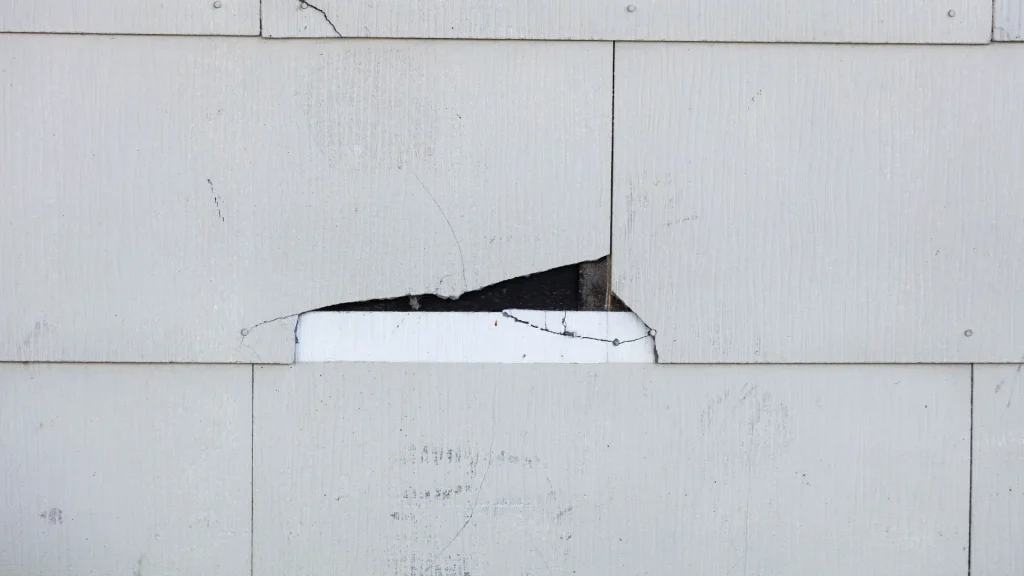
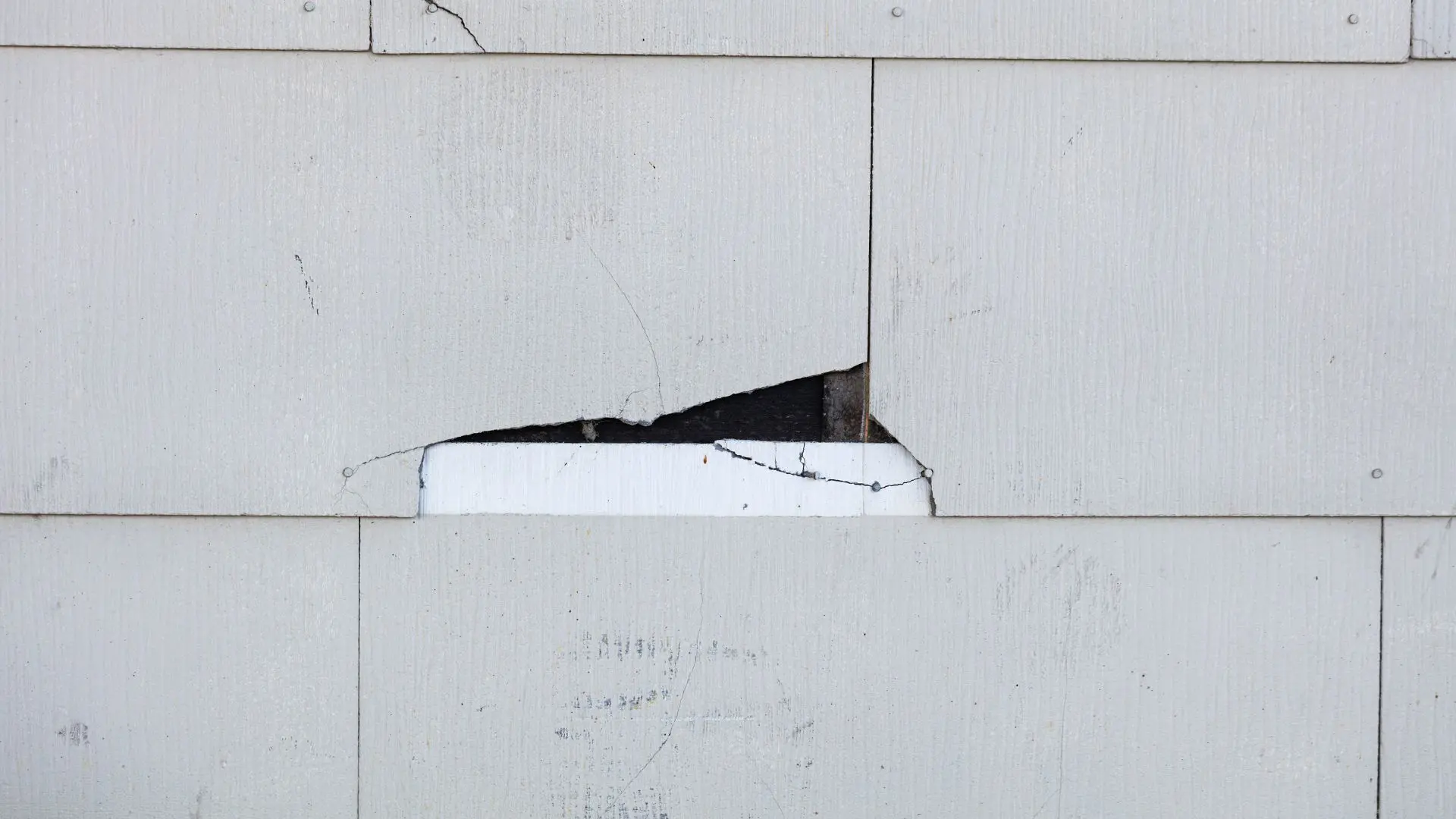
- Size and Shape: Asbestos siding often comes in shingle form, typically measuring 12 by 24 inches.
- Surface Texture: The texture can be smooth or mimic wood grain patterns, often with a low vertical groove.
- Color: Asbestos siding is usually grayish-white but may be painted.
- Edges: When broken, asbestos siding shows fibrous, flaky edges.
- Manufacturing Codes: If visible, codes or labels on the back of the siding may indicate its composition.
For definitive identification, professional testing is required. A licensed inspector can safely collect a sample and analyze it in a laboratory.
Health Risks Associated with Asbestos Siding
Asbestos siding itself is not dangerous as long as it is in good condition and undisturbed. The risks arise when asbestos fibers are disturbed, such as during repairs or renovations. Inhalation of asbestos fibers can lead to:
- Mesothelioma: A rare and aggressive cancer affecting the lining of the lungs, chest, or abdomen.
- Lung Cancer: Prolonged exposure increases the risk of lung cancer.
- Asbestosis: Chronic lung disease caused by scarring of lung tissue, leading to breathing difficulties.
- Other Cancers: Including those affecting the larynx and ovaries.
Symptoms of these diseases can appear decades after exposure, making early detection critical.
When Is Asbestos Siding Dangerous?
Asbestos siding is only dangerous when its materials are damaged or disturbed. Activities like drilling, cutting, or sanding the siding can release asbestos fibers into the air, which can then be inhaled. The siding is safest when it is intact and undisturbed.
Should Asbestos Siding Be Removed?
The decision to remove asbestos siding depends on several factors:
Reasons to Remove Asbestos Siding:
- Damage: If the siding is cracked, crumbling, or deteriorating, asbestos fibers can become airborne.
- Renovations: Major home renovations may necessitate removal to ensure safety.
- Property Value: Removing asbestos siding can increase property value and attract potential buyers.
- Peace of Mind: Removing the material eliminates potential health risks.
Reasons to Leave It In Place:
- Good Condition: If the siding is intact and undamaged, it may be safer to leave it undisturbed.
- Cost: Removal can be expensive, with costs ranging from $50 to $150 per square foot.
- Risk of Exposure: Improper removal can release more fibers than leaving the material in place.
Alternatives to Removal:
- Encapsulation: Sealing the asbestos siding with a new layer of siding, such as vinyl or fiber-cement, which can prevent further exposure.
- Repair: If only certain areas are damaged, they may be repaired without needing to remove all the siding.
Handling Asbestos Siding Safely
If you decide to handle or remove asbestos siding, follow these safety protocols:
- Hire Professionals: Always engage a certified asbestos abatement company. They have the proper training and equipment to handle the material safely.
- Permits and Regulations: Check local regulations, as permits may be required for removal and disposal of asbestos siding.
- Avoid DIY Removal: Do not attempt to remove asbestos siding yourself. Improper handling increases the risk of exposure.
- Safety Precautions for Removal:
- Use wet methods to minimize the release of fibers.
- Seal off the work area to prevent contamination.
- Use personal protective equipment (PPE), including a HEPA-filtered respirator, disposable coveralls, gloves, and eye protection.
Is It Safe to Live in a House with Asbestos Siding?
Yes, it is generally safe to live in a house with asbestos siding, as long as the material is in good condition and not disturbed. Regular inspections of the siding can help ensure it remains intact. If repairs or maintenance are needed, always hire a professional to avoid disturbing the asbestos material.
Frequently Asked Questions
Can I paint asbestos siding?
Yes, you can paint asbestos siding, but ensure that the painting process does not damage the siding and release fibers. Always wear protective gear when doing so.
Is it safe to pressure wash asbestos siding?
No, pressure washing asbestos siding can cause the material to deteriorate and release asbestos fibers into the air. It’s best to avoid using high-pressure water on asbestos materials.
How long does asbestos siding last?
Asbestos siding can last for many decades, sometimes over 50 years, depending on the condition and exposure to weathering. However, its lifespan can be shortened if the material becomes damaged or deteriorates.
What is the best way to cover asbestos siding?
The best way to cover asbestos siding is by encapsulating it with new siding materials like vinyl or fiber-cement. This method avoids disturbing the existing asbestos while sealing in the hazardous fibers.
Conclusion
Asbestos siding was a popular building material known for its durability and fire resistance. However, due to the health risks associated with asbestos exposure, it is now considered hazardous when disturbed. If your home has asbestos siding, it’s important to assess the condition of the material and consult with professionals if any work needs to be done.
By taking the proper precautions—whether you choose to remove, repair, or encapsulate the siding—you can ensure a safer living environment for yourself and others.
Key Takeaways:
- Health Risks: Asbestos exposure can lead to severe respiratory diseases, including mesothelioma and lung cancer.
- Management: If asbestos siding is undisturbed and in good condition, it is safer to leave it alone.
- Professional Help: Always consult licensed professionals for asbestos testing and removal to ensure safety.
Resources:
- Environmental Protection Agency (EPA): Asbestos Information
- Occupational Safety and Health Administration (OSHA): Asbestos Safety
- National Institute for Occupational Safety and Health (NIOSH): Asbestos
By understanding the risks of asbestos siding and following the proper procedures, you can help ensure the safety and health of everyone in your home or building.