What’s An Asbestos Surveyor?
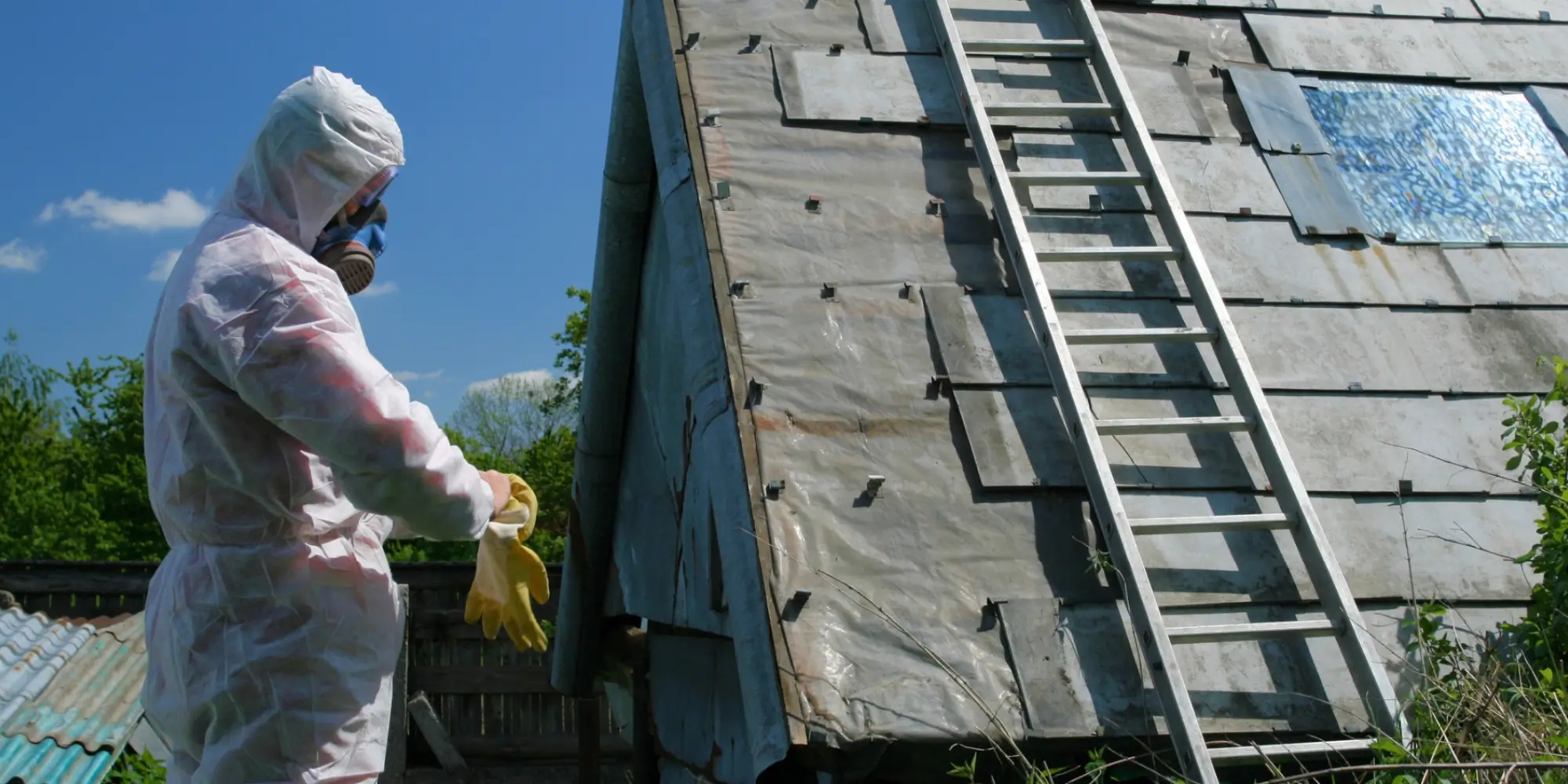
An asbestos surveyor is a certified professional who inspects buildings to identify and evaluate asbestos-containing materials (ACMs). Their job is to ensure that any asbestos present is properly managed to prevent exposure, which could lead to serious health issues like lung cancer, mesothelioma, and asbestosis. These surveyors follow strict guidelines set by regulatory bodies like the Health and Safety Executive (HSE) and the United Kingdom Accreditation Service (UKAS) to ensure the safety of the building occupants and workers.
They conduct various types of surveys, such as management, refurbishment, and demolition surveys, to assess the presence, condition, and location of asbestos fibers in a building.
The Need for Asbestos Surveys and Asbestos Surveyors
Asbestos is no longer used in most construction projects, but older buildings still have materials that contain asbestos. In many countries, including the UK, the law requires that property owners and managers identify and manage asbestos risks in their buildings.
Asbestos-related diseases are a leading cause of death globally, making it crucial to identify and manage asbestos in buildings. Surveyors play an essential role in this process, ensuring that properties comply with the Control of Asbestos Regulations 2012 and protecting public health by preventing exposure.
Types of Asbestos Surveys
Asbestos surveys are tailored to the needs of the property or the work being undertaken. The main types of surveys include:
- Management Survey: Conducted in buildings that are in normal use and not undergoing any construction. The focus is on identifying accessible ACMs to manage them safely during everyday use.
- Refurbishment Survey: Conducted before any renovation or refurbishment work. This survey is more thorough to identify any asbestos materials that may be disturbed during the project.
- Demolition Survey: Carried out before a building is demolished to ensure that all ACMs are identified and safely removed to prevent fiber release during demolition.
- Reinspection Survey: Periodic checks to monitor the condition of previously identified ACMs, ensuring that they remain safe and undisturbed.
The Asbestos Survey Process
The asbestos survey process typically involves the following steps:
- Initial Consultation and Planning: The surveyor gathers information about the building’s history and prior asbestos knowledge to plan the survey.
- On-site Inspection: The surveyor inspects the property to visually identify potential ACMs and assesses areas for sampling.
- Sample Collection and Analysis: The surveyor collects small samples of suspected asbestos materials and sends them to accredited laboratories for analysis using specialized techniques like Polarized Light Microscopy (PLM).
- Report Generation: A comprehensive report is generated, outlining the presence, condition, and location of any asbestos, along with recommendations for managing or removing the materials.
What Does an Asbestos Surveyor Actually Do?
An asbestos surveyor’s job goes beyond simple inspection. Their primary responsibilities include:
- Inspection and Identification: Surveyors conduct thorough inspections to locate ACMs in buildings, whether residential or commercial.
- Sample Analysis: They collect samples from suspect materials to confirm the presence of asbestos fibers.
- Reporting: They create detailed reports that include their findings, helping property owners decide whether to manage, encapsulate, or remove asbestos-containing materials.
- Compliance and Training: They ensure that asbestos management practices comply with regulations and may also provide training on safe asbestos handling.
Asbestos Survey Costs
The cost of an asbestos survey depends on several factors, such as the size and complexity of the property, the type of survey required, and the location. Smaller residential surveys are typically less expensive than large commercial surveys. However, the cost of a survey is small compared to the potential legal fines, health risks, and remediation costs that can result from failing to identify and manage asbestos properly.
How to Become an Asbestos Surveyor
To become an asbestos surveyor, one typically needs:
- Educational Background: A degree in surveying, civil engineering, or construction management.
- Specialized Training: Obtain certifications such as the Level 3 Award in Asbestos Surveying and Level 4 Certificate in Asbestos Laboratory Management.
- Experience: Gaining practical experience through apprenticeships or on-the-job training is crucial.
- Certifications: Acquiring certifications from bodies such as the British Occupational Hygiene Society (BOHS) or Royal Society for Public Health (RSPH) and ensuring compliance with UKAS standards.
Common Misconceptions About Asbestos Surveys
Several myths surround asbestos surveys, such as:
- “Asbestos is a Thing of the Past”: Many older buildings still contain asbestos, which makes surveys crucial.
- “One Survey is Enough”: Asbestos materials can deteriorate over time, so periodic reinspections are important.
- “Surveys and Removal Are the Same”: Surveys identify asbestos, while removal requires a separate process by licensed professionals.
- “Asbestos Surveys Are Unnecessarily Expensive”: The cost of surveys is negligible compared to the potential health risks and legal issues.
Qualifications and Skills of an Asbestos Surveyor
Successful asbestos surveyors need:
- Technical Knowledge: An in-depth understanding of asbestos types, health risks, and management practices.
- Certifications: Proper accreditation from recognized institutions like BOHS or RSPH.
- Attention to Detail: Ability to inspect and document findings accurately.
- Communication Skills: The ability to explain results and recommendations clearly to clients.
- Decision-Making: Making informed decisions on the best course of action to mitigate risks.
Selecting a Competent Asbestos Surveyor
When choosing an asbestos surveyor, look for:
- Accreditation: Ensure they are accredited by UKAS and follow high-quality standards.
- Experience: Seek surveyors with proven expertise and references.
- Reputation: Check for client reviews and testimonials.
- Comprehensive Reporting: Make sure they provide clear, detailed reports that align with regulatory requirements.
Conclusion
Asbestos surveyors play an essential role in identifying and managing the risks of asbestos in buildings. They ensure that the materials are handled in compliance with safety regulations, thus protecting public health. Whether you are a property owner, landlord, or someone interested in this field, understanding the role of asbestos surveyors is key to navigating the complexities of asbestos management effectively.
For those considering a career in asbestos surveying, it’s important to pursue the necessary qualifications and certifications to provide expert services in this vital area.
Key Takeaways:
- Asbestos surveyors are crucial in identifying and managing asbestos risks.
- They provide inspections, sample analysis, and detailed reports.
- It’s essential to hire accredited and experienced surveyors for effective asbestos management.
Resources for Further Assistance:
- Health and Safety Executive (HSE): Asbestos
- Royal Society for Public Health (RSPH): Asbestos Information
- BOHS – British Occupational Hygiene Society
By staying informed and working with professionals, you can ensure the safe management of asbestos in your environment and protect everyone’s health.