What is Asbestos Abatement?
Asbestos abatement is the process of identifying, managing, removing, and disposing of asbestos-containing materials (ACMs) in buildings and structures to prevent the release of hazardous asbestos fibers into the air. Asbestos exposure is associated with severe health risks, including lung cancer, mesothelioma, and asbestosis, making asbestos abatement essential for public health and safety.
The Need for Asbestos Abatement
Asbestos abatement plays a crucial role in several areas:
- Health Protection: Prevents exposure to asbestos fibers, which can cause serious diseases.
- Regulatory Compliance: Ensures that asbestos removal meets local, national, and international regulations.
- Building Integrity: Safeguards the structural integrity of buildings by addressing hazardous asbestos materials.
Abatement is particularly necessary during renovations, demolition, or maintenance operations where asbestos may be disturbed.
Understanding Asbestos-Containing Materials (ACMs)
ACMs can be classified based on their friability, which refers to how easily the material releases asbestos fibers when disturbed:
- Friable Asbestos: These materials can easily crumble under hand pressure and release fibers. Examples include popcorn ceilings and certain types of insulation.
- Non-Friable Asbestos: These materials are more solid and less likely to release fibers unless disturbed. Examples include asbestos floor tiles and roofing shingles.
The lifespan of ACMs varies:
- Friable Materials: Typically last between 20-40 years.
- Non-Friable Materials: Can last 50-100 years or more.
Regulatory Framework for Asbestos Abatement
Asbestos abatement is strictly regulated by various agencies worldwide, ensuring that the process is safe and compliant with laws:
- EPA (Environmental Protection Agency): Sets guidelines for asbestos management and the removal process.
- OSHA (Occupational Safety and Health Administration): Regulates workplace exposure limits and safety measures.
- Local Regulations: Many jurisdictions have additional requirements for asbestos management, including licensing and waste disposal.
The EPA proposed a complete ban on asbestos in 2022, indicating a push towards stricter regulations globally.
The Asbestos Abatement Process
The process of asbestos abatement typically involves the following steps:
- Inspection and Survey
- A certified inspector evaluates the building to identify potential ACMs.
- Suspected materials are sampled and sent for laboratory analysis to confirm the presence of asbestos.
- Planning and Notification
- After identifying ACMs, an abatement plan is developed.
- Authorities are notified, typically 7 days in advance, depending on local regulations.
- Sealing and Containment
- The abatement area is sealed using polyethylene films and negative air pressure systems to prevent fiber escape.
- Personal Protective Equipment (PPE)
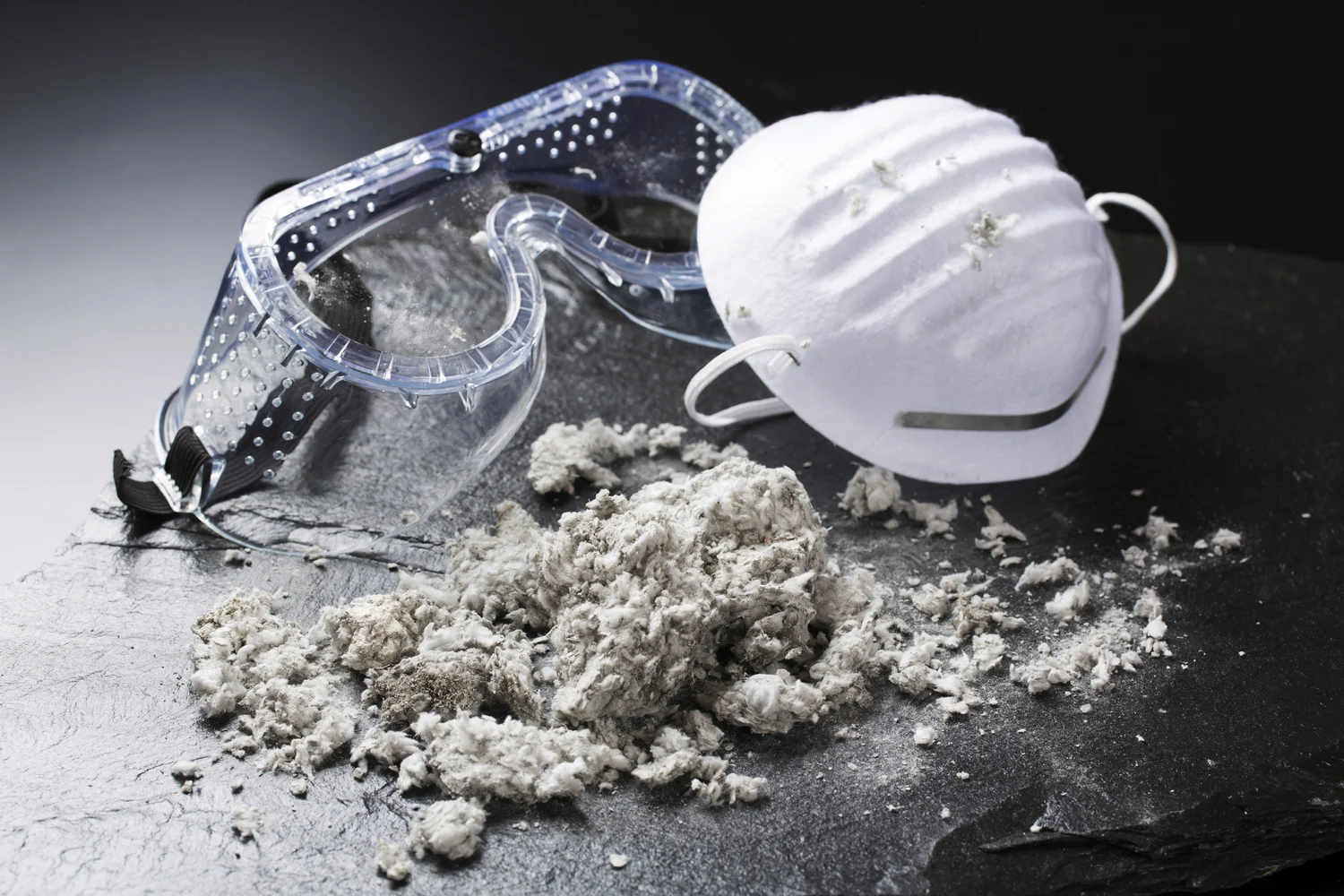
- Workers are required to wear PPE, including respirators, coveralls, gloves, and eye protection, to prevent exposure.
- Removal and Disposal
- Asbestos is carefully removed using wet methods to minimize dust.
- The materials are double-wrapped in plastic for safe transportation to licensed disposal facilities.
- Decontamination and Final Inspection
- After removal, the area is cleaned using HEPA vacuums and wet wiping. A final inspection ensures that all fibers have been removed and the area is safe for re-entry.
Best Practices and Innovations in Asbestos Abatement
- Wet Cutting Methods: Advanced techniques, such as the use of wet cutting saws, reduce fiber release during removal.
- Recycling Innovations: Efforts are underway to recycle asbestos into non-toxic materials, reducing environmental harm.
Legal and Financial Implications
Failure to comply with asbestos abatement regulations can result in penalties, ranging from $1,200 to $10,000 per infraction. Non-compliance not only jeopardizes health but also leads to increased costs and potential legal consequences.
Conclusion
Asbestos abatement is a vital process that requires attention to safety, regulation, and professionalism. Whether you are handling asbestos in a residential, commercial, or industrial setting, adhering to proper protocols ensures safety for both workers and occupants. Always consult certified professionals for inspections, removal, and disposal of asbestos-containing materials.
Key Takeaways:
- Health Risks: Asbestos exposure can lead to life-threatening diseases such as mesothelioma and lung cancer.
- Professional Help: Always hire licensed asbestos removal contractors to handle asbestos abatement.
- Regulatory Compliance: Ensure that all procedures comply with EPA, OSHA, and local regulations to avoid legal and health risks.
Resources for Further Assistance:
By following these guidelines, you can effectively manage asbestos in your environment, ensuring safety and compliance with all necessary regulations.