What Is Asbestos?
Asbestos is a group of six naturally occurring fibrous minerals known for their durability, resistance to heat, and insulating properties. These characteristics made asbestos a popular material in various construction applications, including ceiling tiles and popcorn ceilings. However, as the health risks of asbestos exposure became known, its use in construction materials was severely restricted, particularly in homes and buildings built before the 1990s.
Why Was Asbestos Used in Ceilings?
Asbestos was incorporated into ceiling materials due to its beneficial properties, including:
- Heat Resistance: Asbestos provided excellent insulation and fireproofing.
- Durability: It added strength and longevity to building materials.
- Cost-Effectiveness: Asbestos was an affordable material, especially in the mid-20th century.
Common asbestos-containing ceiling materials included:
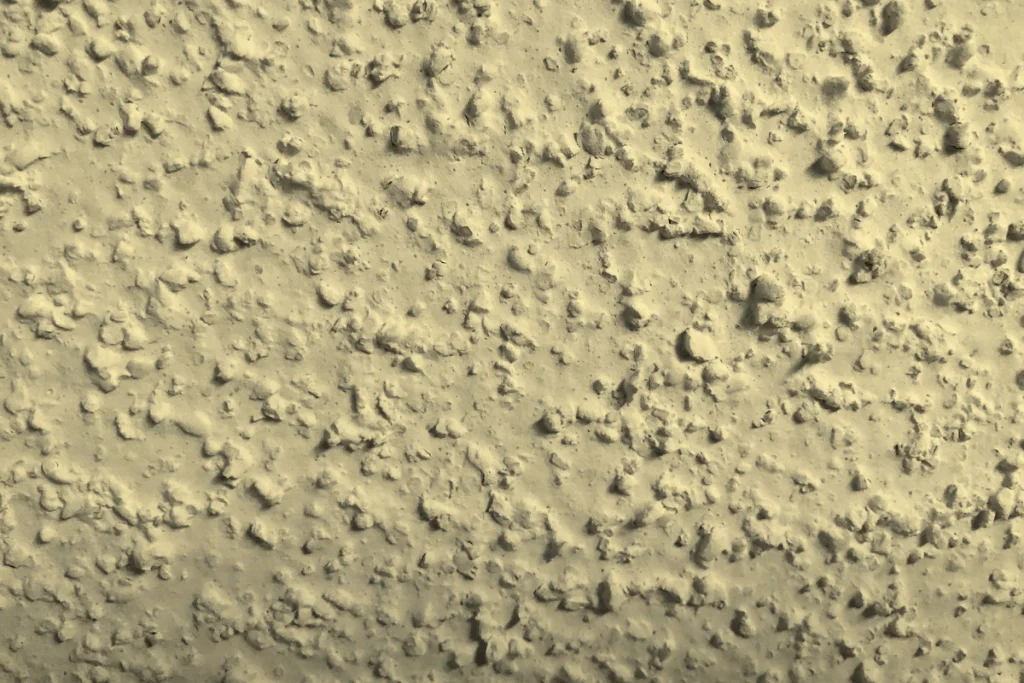
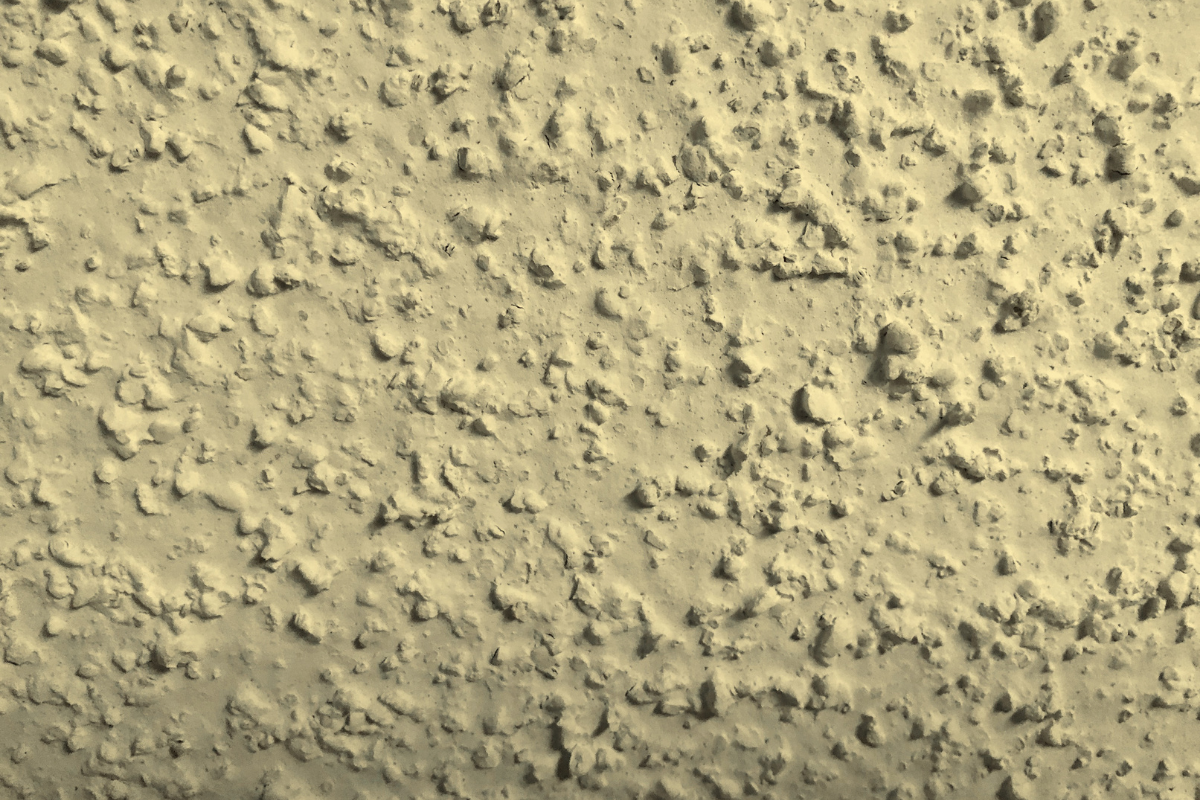
- Popcorn Ceilings: Also known as acoustic ceilings, these textured surfaces were popular in homes and offices from the 1950s to the 1980s.
- Ceiling Tiles: Found in commercial buildings, schools, and offices built between the 1950s and 1980s.
- Textured Paints and Plasters: Used for decorative effects, these coatings often contained asbestos.
Health Risks Associated with Asbestos Exposure
Asbestos fibers are microscopic and can become airborne when disturbed. Inhalation of these fibers can lead to severe health problems, including:
- Mesothelioma: A rare and aggressive cancer affecting the lining of the lungs, chest cavity, or abdomen.
- Lung Cancer: Prolonged exposure increases the risk of lung cancer, particularly among smokers.
- Asbestosis: Scarring of lung tissue leading to chronic breathing difficulties.
- Other Cancers: Asbestos exposure is also linked to cancers of the larynx, ovaries, and gastrointestinal tract.
These diseases often have a long latency period, appearing decades after exposure. Early detection and prevention are key to reducing health risks.
Detecting Asbestos in Ceilings
Identifying asbestos in ceilings can be challenging. Here are some indicators that may suggest the presence of asbestos:
- Age of the Building: Homes or buildings constructed before the 1990s are more likely to contain asbestos in their ceilings.
- Type of Ceiling Material: Popcorn ceilings and older ceiling tiles are more likely to contain asbestos, especially if they were installed before 1980.
- Visual Inspection: Asbestos-containing materials may have a fibrous texture, but visual identification is not reliable.
For accurate detection, it is essential to hire a licensed asbestos professional to collect samples and conduct laboratory tests.
What to Do If You Suspect Asbestos in Your Ceiling
If you suspect that your ceiling contains asbestos, follow these safety precautions:
- Do Not Disturb the Material: Avoid drilling, scraping, or touching the ceiling. Disturbing asbestos materials can release harmful fibers into the air.
- Professional Inspection: Hire a licensed asbestos inspector to evaluate the material and perform testing.
- Monitor the Condition: Regularly check the ceiling for signs of deterioration, such as cracks or peeling.
- Inform Contractors: If you plan to renovate or repair the ceiling, inform contractors of the potential asbestos risk.
Managing Asbestos in Ceilings
There are several options for managing asbestos-containing ceilings safely:
- Leave It Undisturbed: If the asbestos material is in good condition and not at risk of being disturbed, it may be safest to leave it alone.
- Encapsulation: Apply a sealant or paint to bind the asbestos fibers, preventing them from becoming airborne.
- Enclosure: Install a barrier, such as new ceiling panels, beneath the existing asbestos-containing ceiling.
- Removal: If the material is damaged or will be disturbed during renovations, professional removal is necessary.
Hiring Professionals for Asbestos Removal
If you decide to remove asbestos-containing ceiling materials, it is essential to hire a licensed professional. Here’s what to look for in an asbestos removal contractor:
- Licensing: Ensure the contractor is licensed and certified in asbestos abatement.
- Experience: Choose a contractor with a proven track record in safe asbestos removal.
- References: Check client reviews or ask for references to ensure quality service.
- Compliance: Confirm that the contractor follows local and federal regulations for asbestos removal.
The Removal Process
The removal of asbestos from ceilings involves several key steps:
- Preparation:
- Seal off the work area to prevent contamination.
- Turn off HVAC systems to prevent asbestos fibers from spreading.
- Protective Measures:
- Workers must wear personal protective equipment (PPE), including respirators and disposable coveralls.
- Negative air pressure units may be used to contain the fibers.
- Removal:
- Wet methods should be used to minimize dust and prevent fibers from becoming airborne.
- Materials should be removed carefully and contained to prevent further contamination.
- Disposal:
- Asbestos waste should be double-bagged and sealed in leak-tight containers.
- The waste must be disposed of at a certified hazardous waste facility.
- Cleanup:
- After removal, HEPA vacuums and wet wiping methods should be used to clean the area.
- Air quality should be monitored to ensure the area is safe for re-entry.
Regulations and Guidelines
Managing asbestos in ceilings is subject to strict regulations in many countries:
- United States:
- EPA Asbestos Ban and Phase-Out Rule (1989): Partially banned the use of asbestos in certain products.
- NESHAP: Sets standards for demolition and renovation to prevent asbestos exposure.
- OSHA: Establishes worker protection standards to limit asbestos exposure in workplaces.
- United Kingdom:
- Control of Asbestos Regulations 2012: Strictly governs the handling and removal of asbestos.
- Local Regulations: Always check local laws before carrying out any asbestos-related work.
Safety Precautions
For homeowners and occupants:
- Regular Inspections: Monitor the condition of asbestos-containing materials in the ceiling.
- Avoid Disturbance: Do not attempt DIY repairs involving suspected asbestos materials.
- Inform Contractors: Notify anyone working in your home about the presence of asbestos.
For landlords and building managers:
- Asbestos Register and Management Plan: Keep track of the locations of asbestos-containing materials and plan for their management.
- Labeling: Clearly mark areas containing asbestos to inform tenants and contractors.
- Tenant Communication: Inform tenants about the presence of asbestos and the safety measures in place.
Conclusion
Asbestos in ceilings poses a significant health risk when the material is disturbed. Identifying and managing asbestos requires careful attention to safety and legal compliance. Whether you choose to leave the material undisturbed, encapsulate it, or remove it, professional guidance and proper procedures are essential for ensuring the safety of everyone in the building.
By staying informed and proactive, you can manage asbestos in your ceiling and protect the health of all occupants.
Key Takeaways
- Detection: Professional testing is the only way to confirm asbestos presence.
- Health Risks: Asbestos exposure can cause serious diseases like mesothelioma and lung cancer.
- Management: Options include leaving undisturbed, encapsulation, or professional removal.
- Regulations: Always follow federal, state, and local regulations when dealing with asbestos.
Frequently Asked Questions
- Can I leave asbestos tiles in place if they’re in good condition?
- Yes, as long as the asbestos is undisturbed and in good condition, it is generally safe to leave it alone.
- How much does professional asbestos tile removal cost?
- Costs vary depending on the size of the area and complexity of the removal. It’s advisable to get multiple quotes.
- Is it illegal to remove asbestos tiles myself?
- Yes, in most jurisdictions, it is illegal to remove asbestos without proper certification and safety measures.
- How do I know if my ceiling tiles contain asbestos?
- Professional testing is the only definitive way to confirm if your ceiling tiles contain asbestos.
- What should I do if I accidentally break an asbestos tile?
- Leave the area immediately, seal off the space, and contact a licensed asbestos removal professional for assistance.
Resources:
- Environmental Protection Agency (EPA): Asbestos Information
- Occupational Safety and Health Administration (OSHA): Asbestos Safety and Health Topics
- National Institute for Occupational Safety and Health (NIOSH): Asbestos Page
By understanding the risks and following proper procedures, you can safely manage asbestos in your ceiling and ensure a healthy environment.