What Is Asbestos in Drywall?
Asbestos was a commonly used additive in drywall and other building materials until the 1980s, valued for its durability, fire resistance, and heat insulation properties. Asbestos-containing materials (ACMs) in drywall include gypsum boards, joint compounds, and finishing materials. The inclusion of asbestos in these materials made drywall more robust, but the discovery of its health hazards has led to increased scrutiny and strict regulations on its handling.
History of Asbestos Use in Drywall
The use of asbestos in drywall products began in the early 20th century, gaining popularity for its ability to enhance the strength, durability, and fire resistance of drywall materials. Major companies, including Kaiser Gypsum and U.S. Gypsum Company, began incorporating asbestos into drywall products around the 1930s, particularly during the post-WWII building boom. Asbestos remained a common ingredient in drywall and other construction materials until the health risks became widely known in the 1970s and 1980s.
Why Was Asbestos Used in Drywall Products?
Asbestos served several critical purposes in drywall products:
- Lightening the Material: Asbestos fibers helped reduce the overall weight of drywall, making it easier to handle and install.
- Enhancing Strength: Asbestos increased the tensile strength of drywall, making it more resistant to cracks and structural damage.
- Improving Fire Resistance: Asbestos is naturally fire-resistant, providing a higher level of safety by delaying the spread of flames.
- Increasing Durability: Asbestos added longevity to drywall, making it more resistant to wear and tear over time.
Asbestos Drywall: A Historical Overview
- Other Names: Gypsum board, plasterboard, sheetrock, wallboard
- Years of Manufacture: 1916 – 1970s
- Military Use: Common in barracks and military buildings, particularly in Air Force, Army, and Navy bases
- Asbestos Use Banned: Partial ban in the late 1970s, with a full phase-out occurring by the 1980s
- Noteworthy Brands: Bondex International, Georgia-Pacific Corporation, Kaiser Gypsum Company Inc., National Gypsum Company, U.S. Gypsum Company
Types of Asbestos-Containing Drywall Products
Asbestos was found in many types of drywall products, not just the gypsum boards themselves:
- Acoustical and Patching Plasters
- Ceiling Panels
- Drywall and Vinyl Base Adhesives
- Joint System Cements
- Spackling Compounds
- Tapes
- Plasterboards
- Joint Wall Compounds (Muds)
Chrysotile, or white asbestos, was the most common form used in these products, making up 90%-95% of asbestos in buildings during this period.
Dangers of Asbestos in Drywall and Finishing Materials
Asbestos fibers, when disturbed, can become airborne and be inhaled. This poses serious health risks, especially to workers and individuals in buildings with damaged or deteriorating asbestos-containing drywall. The main health risks include:
- Asbestosis: A chronic lung condition caused by the scarring of lung tissue due to asbestos exposure.
- Lung Cancer: Long-term exposure significantly increases the risk of lung cancer.
- Mesothelioma: A rare cancer that affects the lining of the lungs, abdomen, or heart.
- Other Cancers: Including cancers of the larynx, ovaries, and gastrointestinal tract.
These diseases can take decades to develop after exposure, making early prevention and proper management critical.
Identifying Asbestos in Drywall
Identifying asbestos in drywall can be difficult since asbestos fibers are microscopic and cannot be seen by the naked eye. However, some indicators can suggest the presence of asbestos:
- Age of the Building: Homes and buildings constructed before the mid-1980s are more likely to have asbestos-containing drywall.
- Manufacturer Information: Some drywall products may have labels or stamps indicating asbestos content, although this was not always consistent.
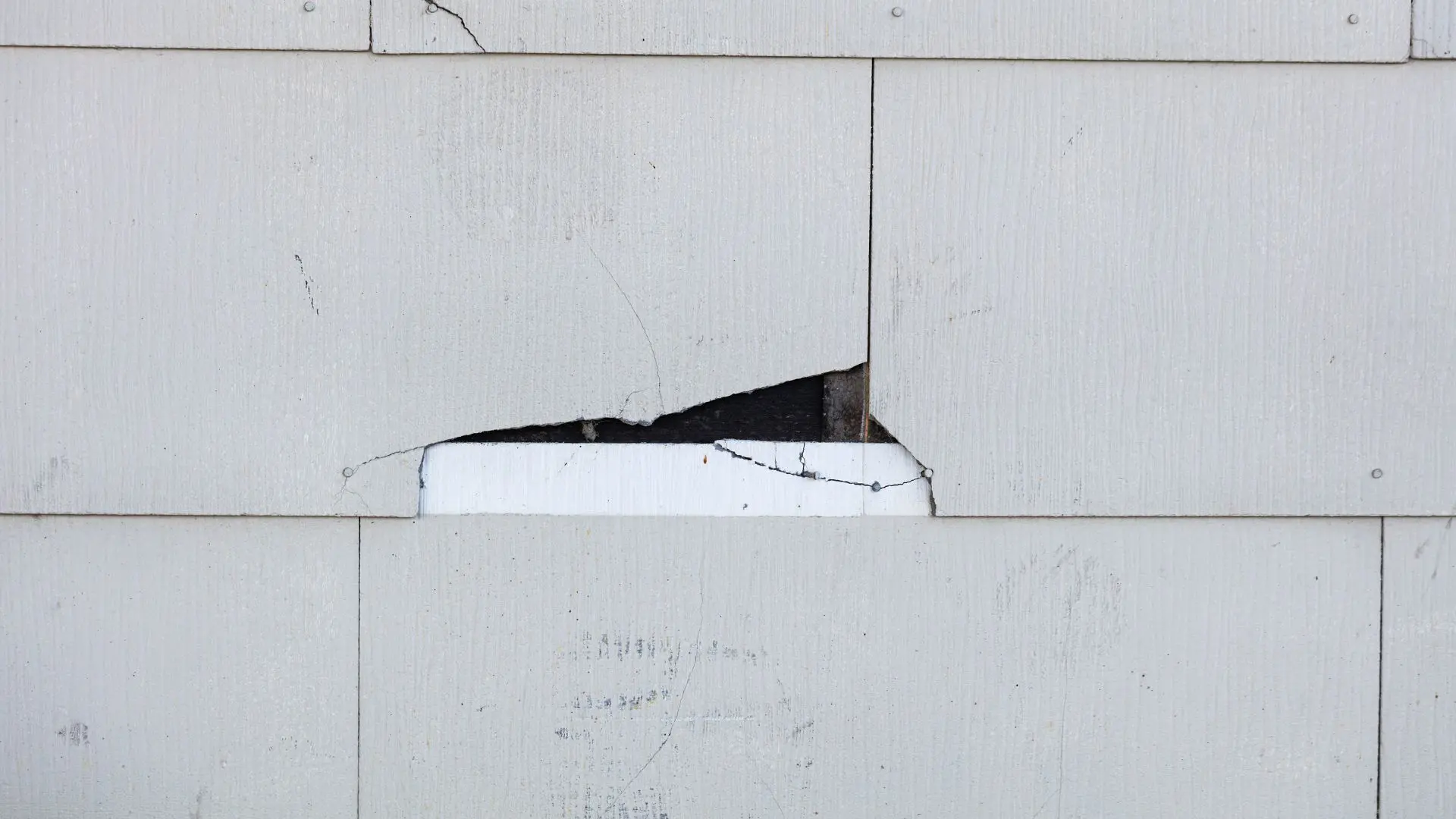
- Deteriorating Materials: Crumbling or damaged drywall is more likely to contain asbestos.
- Appearance: Asbestos drywall may have a distinct fibrous or crumbly texture when broken.
The only reliable way to confirm asbestos presence is to have it tested by a certified professional.
Regulating Asbestos in Drywall
Several key regulations have been enacted to limit the use of asbestos in drywall and other construction materials:
- 1977 Partial Ban: The U.S. Consumer Product Safety Commission (CPSC) banned patching compounds containing asbestos for consumer use.
- 1973 EPA Spray-On Ban: The Environmental Protection Agency (EPA) prohibited the use of spray-on asbestos applications, such as those used in popcorn ceilings.
- Continued Use: Despite these bans, asbestos continued to be used in some construction materials until the 1980s.
- Current Regulations: In the U.S., asbestos use is heavily regulated, especially in terms of handling, removal, and disposal. However, it is not completely banned.
What to Do If Your Drywall Contains Asbestos
If you suspect that your drywall contains asbestos, it’s important to follow safety protocols:
- Do Not Disturb: Avoid cutting, sanding, or disturbing the drywall to prevent fiber release into the air.
- Professional Testing: Hire certified asbestos inspectors to conduct thorough testing of your drywall and related materials.
- Asbestos Abatement: If asbestos is confirmed, engage licensed professionals to remove or encapsulate the material safely.
- Legal and Health Consultation: If you’re diagnosed with an asbestos-related disease, consider consulting with legal experts who specialize in asbestos cases.
FAQs
- What is asbestos and why is it found in drywall?
Asbestos is a naturally occurring mineral that was used in drywall for its fire-resistant, insulating, and durability-enhancing properties. - How common is asbestos in drywall?
Asbestos was commonly used in drywall manufactured before the mid-1980s, especially in older homes and buildings. - What are the health risks associated with asbestos in drywall?
Prolonged exposure to asbestos fibers from drywall can cause serious diseases such as lung cancer, mesothelioma, and asbestosis. - How can I identify asbestos in drywall?
Identifying asbestos requires professional testing. Indicators include the age of the building, material deterioration, and sometimes manufacturer labels. - Can asbestos in drywall cause mesothelioma?
Yes, exposure to asbestos in drywall can increase the risk of mesothelioma, a rare and aggressive cancer associated with asbestos fibers.
Conclusion
Asbestos in drywall once made construction materials more durable and fire-resistant, but the severe health risks associated with asbestos exposure have made it a serious concern for anyone dealing with older buildings. Identifying, managing, and safely removing asbestos-containing drywall is crucial to preventing exposure and ensuring the health and safety of individuals. If you suspect asbestos in your drywall, always consult with a professional to ensure proper testing and safe management.
For expert asbestos testing, consultation, and removal services, reach out to certified professionals in your area to ensure compliance with all safety regulations.