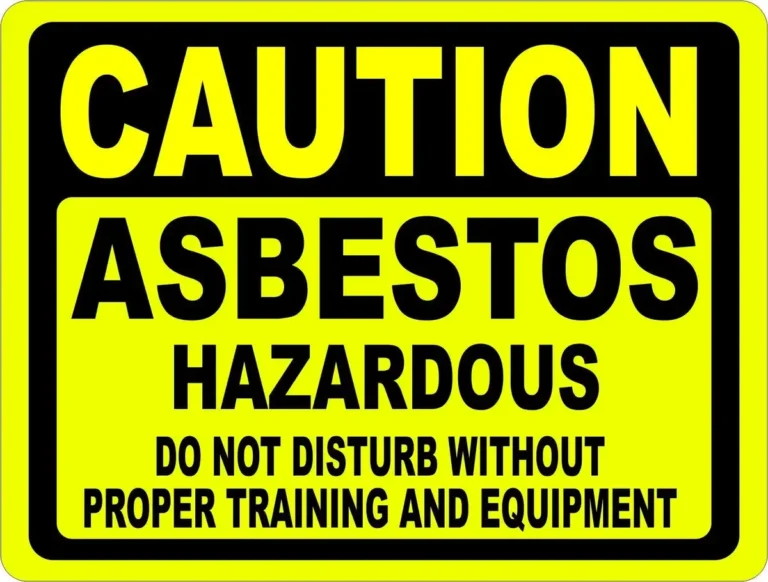
Asbestos safety signs are crucial warnings used to alert people to the presence of asbestos-containing materials (ACMs) in specific areas. These signs help prevent exposure to harmful asbestos fibers, which can cause severe health problems, such as lung cancer, mesothelioma, and asbestosis. Asbestos safety signs are commonly found in construction zones, industrial areas, and older buildings, ensuring that individuals are informed about potential risks and necessary safety measures.
Why Asbestos Safety Signs Are Important
Asbestos safety signs are vital for protecting individuals from the dangers of asbestos exposure. Whether in a construction zone, an industrial setting, or in older buildings, these signs act as warnings, helping to ensure that workers, visitors, and the general public are aware of the presence of asbestos and the precautions they must take. They are designed to prevent accidental exposure by restricting access to areas with ACMs and mandating the use of protective equipment (PPE) in certain circumstances.
Key Asbestos Safety Signs and Their Meanings
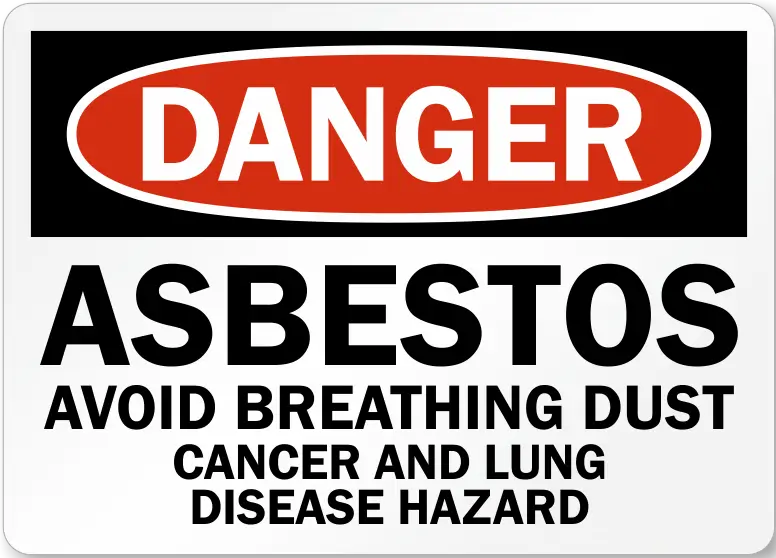
- Asbestos Hazard Warning Sign Key Features:
- Bold warnings like “Danger: Asbestos.”
- Colors: Red, black, and white for high visibility.
- Access control: Restricts entry to trained personnel only.
- Health risks: Warns of potential asbestos-related diseases.
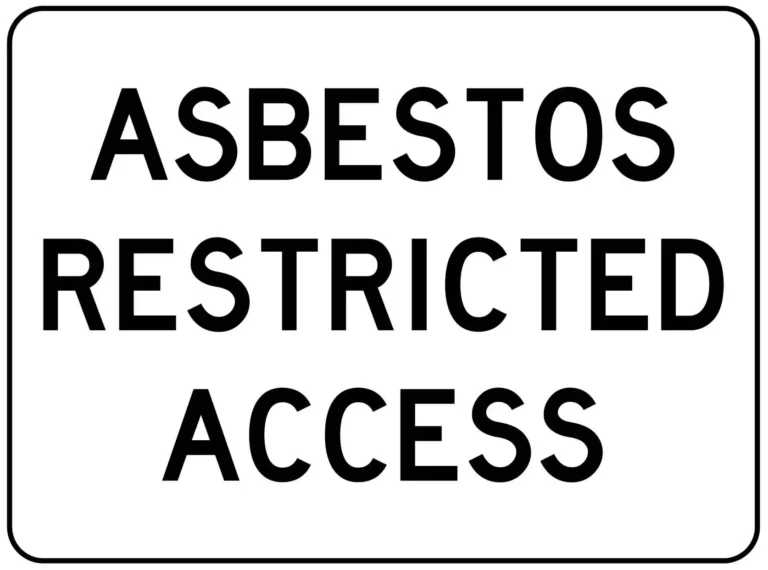
- Restricted Area Sign Key Features:
- Phrases like “Restricted Area” or “Authorized Personnel Only.”
- Asbestos hazard notice: Indicates asbestos presence.
- PPE requirement: Informs that PPE, like respirators, is mandatory.
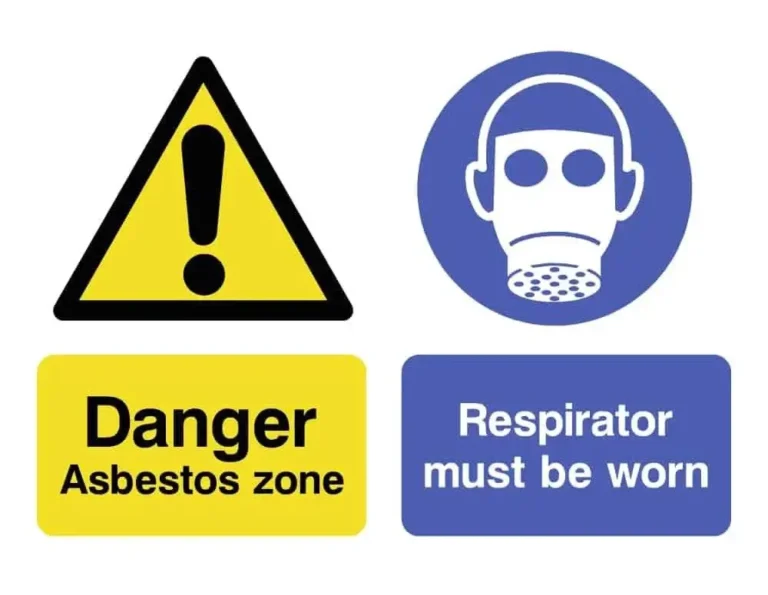
- Respiratory Protection Required Sign Key Features:
- Messages such as “Respiratory Protection Required.”
- Symbol of a respirator mask.
- Mandatory PPE: Requires respiratory protection before entry.
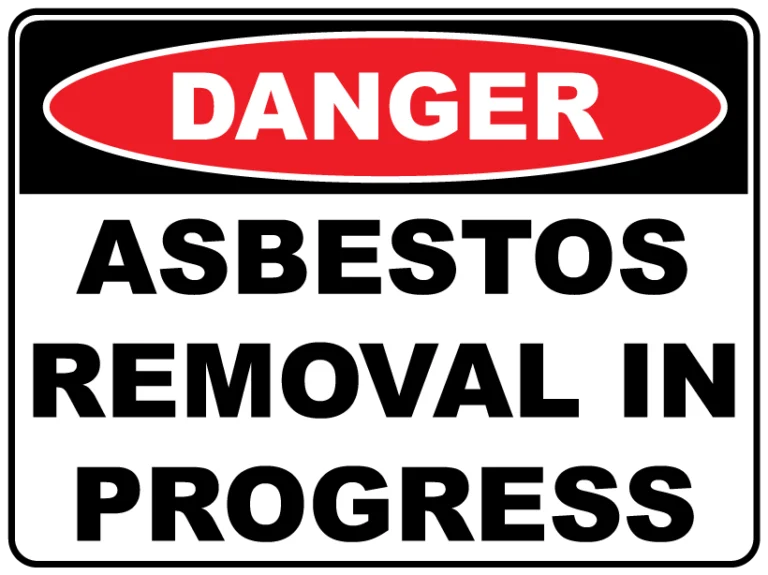
- Asbestos Removal In Progress Sign Key Features:
- Clear warning, such as “Asbestos Removal In Progress.”
- Restricted access to authorized personnel.
- PPE requirement: Ensures protective gear is worn.
- Do Not Disturb Asbestos Sign Key Features:
- Warnings like “Do Not Disturb Asbestos” or “Caution: Asbestos Material Present.”
- Visual symbols for added visibility.
- Risk prevention: Encourages caution to avoid disturbing ACMs.
Who Needs to Understand These Signs?
- Construction Workers: Workers on renovation, demolition, or maintenance projects involving older buildings should be able to identify and understand asbestos safety signs to avoid accidental exposure.
- Building Managers: Those responsible for the upkeep of older buildings should be aware of asbestos signs to manage risk and ensure compliance with safety regulations.
- General Public: Individuals who might encounter asbestos safety signs in construction zones, older industrial buildings, or areas being renovated should understand their meaning to avoid accidental exposure.
How to Stay Safe Around Asbestos
To minimize the risk of asbestos exposure, always adhere to the following safety protocols when encountering asbestos safety signs:
- Follow Instructions: Always adhere to the instructions on the sign, such as wearing appropriate PPE before entering an area.
- Do Not Enter Restricted Zones: If you’re not authorized or trained to handle asbestos, avoid entering restricted areas marked by asbestos signs.
- Report Damaged Signs: If you notice that asbestos safety signs are damaged or missing, report it to the appropriate authorities to maintain safety.
Conclusion
Asbestos safety signs are crucial in protecting individuals from the dangers of asbestos exposure. They serve as warnings in areas where asbestos-containing materials are present and help ensure that proper precautions, such as the use of PPE, are taken. Whether you’re a worker, building manager, or someone encountering these signs in daily life, understanding their meanings and following safety guidelines can prevent serious health risks.
Staying alert to asbestos safety signs is essential for creating a safer environment and minimizing the risk of asbestos-related diseases. Always follow the necessary precautions and consult professionals when dealing with asbestos.
Disclaimer: This article is for informational purposes only. If you suspect the presence of asbestos in your environment, consult with qualified professionals for proper inspection, removal, and safety measures.