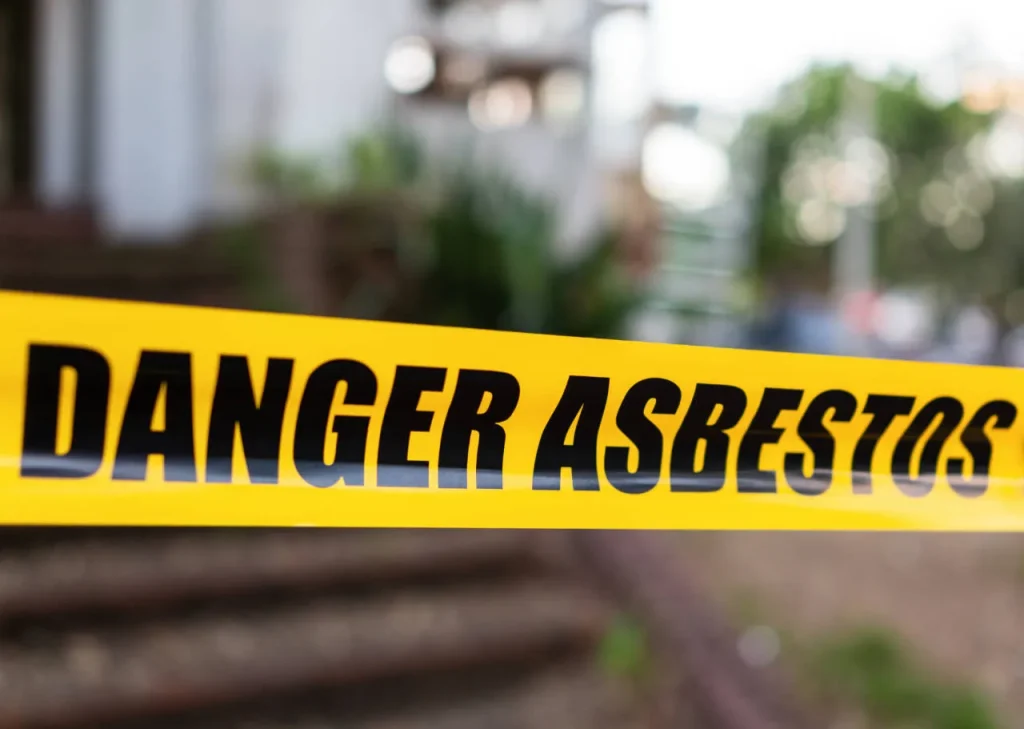
What is Asbestos?
Asbestos refers to a group of naturally occurring fibrous minerals known for their durability, heat resistance, and fire-retardant properties. The three primary types of asbestos are:
- Chrysotile (White Asbestos): Commonly used in roofing materials, brake pads, and textiles.
- Amosite (Brown Asbestos): Primarily used in cement sheets and pipe insulation.
- Crocidolite (Blue Asbestos): Known for its thin fibers, used in high-temperature insulation and spray-on coatings.
Though useful in construction and manufacturing, the inhalation of asbestos fibers can lead to severe health complications, which makes awareness and proper handling crucial.
Health Risks Associated with Asbestos Exposure
Exposure to asbestos fibers, especially over prolonged periods, can lead to several debilitating and fatal diseases:
- Asbestosis: A chronic lung disease that causes scarring of lung tissue and severe breathing issues.
- Mesothelioma: A rare and aggressive cancer affecting the linings of the lungs, chest, or abdomen.
- Lung Cancer: Prolonged exposure significantly increases the risk, especially among smokers.
- Ovarian Cancer: Emerging evidence links asbestos exposure to ovarian cancer.
- Laryngeal Cancer: Cancer of the larynx has been associated with exposure to asbestos fibers.
Symptoms of these diseases often take decades to manifest, making early detection and prevention critical.
Understanding Asbestos Awareness
Asbestos awareness involves understanding the presence of asbestos in materials, recognizing the risks associated with exposure, and implementing strategies to manage or avoid contact with asbestos fibers. Key aspects of asbestos awareness include:
- Identifying ACMs: Recognizing materials that may contain asbestos.
- Risk Assessment: Evaluating the potential for exposure in various environments.
- Control Measures: Implementing procedures to mitigate risks.
- Regulatory Compliance: Following laws and guidelines regarding asbestos handling.
Importance of Asbestos Awareness
The importance of asbestos awareness lies in:
- Preventing Exposure: Knowledge of asbestos risks enables individuals to avoid or minimize contact with ACMs.
- Protecting Vulnerable Populations: Workers, contractors, and residents in older buildings are particularly at risk.
- Legal Compliance: Understanding asbestos regulations helps prevent legal issues and ensures safety.
- Public Health: Awareness helps reduce asbestos exposure, improving overall health and reducing healthcare burdens.
How Asbestos Awareness Can Save Lives
By promoting asbestos awareness, lives can be saved in several ways:
- Early Detection and Removal: Identifying ACMs early allows for safe removal or containment, preventing fiber release.
- Safe Handling Practices: Educating workers on proper procedures reduces the likelihood of accidental exposure.
- Emergency Response: Preparedness for accidental releases ensures swift containment and hazard mitigation.
- Health Monitoring: Regular health check-ups for those at risk can lead to early diagnosis and treatment of asbestos-related diseases.
- Community Education: Informing the public fosters a culture of safety, reducing unintentional exposures.
Asbestos Safety Measures and Best Practices
Implementing safety measures is essential for managing asbestos risks. Some best practices include:
- Asbestos Surveys: Conducting thorough inspections to identify ACMs in buildings and workplaces.
- Proper Labeling: Clearly marking asbestos-containing materials to warn of their presence.
- Personal Protective Equipment (PPE): Providing respirators and protective clothing for those handling asbestos.
- Controlled Work Practices: Using wet methods to minimize fiber release and ensuring proper ventilation.
- Waste Management: Safely disposing of asbestos waste in designated facilities to prevent environmental contamination.
- Encapsulation: Sealing ACMs to prevent fiber release without removal.
Legal and Regulatory Framework
Governments worldwide have introduced regulations to manage asbestos risks. In the U.S., OSHA (Occupational Safety and Health Administration) and the EPA (Environmental Protection Agency) enforce standards regarding asbestos exposure, handling, and disposal. Other global regulations, such as the EU’s Control of Asbestos Regulations and Australia’s Work Health and Safety Regulations, provide similar guidelines to ensure safe practices in workplaces and buildings.
- Asbestos Removal Regulations: These regulations outline safe removal, transportation, and disposal procedures.
- Building Codes: In many regions, new construction and renovation projects have strict restrictions on asbestos use.
Training and Education for Asbestos Awareness
Effective asbestos awareness depends on comprehensive education programs, including:
- Workplace Training: Mandatory training for employees who may encounter asbestos, covering identification, handling, and emergency procedures.
- Certification Programs: Accredited courses that provide in-depth knowledge for professionals involved in asbestos management.
- Public Awareness Campaigns: Initiatives aimed at educating homeowners and the public about the risks of asbestos exposure.
- Continuous Learning: Regular updates and refresher courses to keep up with evolving regulations and best practices.
Conclusion
Asbestos awareness is not just a regulatory requirement; it is a critical component in protecting lives and improving public health. Understanding the risks, recognizing asbestos-containing materials, and implementing safety measures significantly reduce the dangers posed by asbestos. By staying informed and following best practices, individuals and organizations can effectively prevent asbestos-related diseases and ensure a safer environment for everyone.
Asbestos awareness is a shared responsibility that can prevent tragedy and promote long-term well-being. Whether you’re a homeowner, contractor, or building manager, taking proactive steps to learn about and manage asbestos can make a life-saving difference.
Key Takeaways:
- Asbestos exposure can lead to severe diseases such as mesothelioma and lung cancer.
- Asbestos awareness helps prevent exposure and ensures compliance with safety regulations.
- Safety measures, including PPE and regular monitoring, are crucial for managing asbestos risks.
- Training and education are essential for reducing the dangers associated with asbestos exposure.
Disclaimer: This article is for informational purposes only. Always consult with professionals for asbestos testing, removal, and safety measures.