It was at Kahigaini, in Tetu, Nyeri County, that the legendary Field Marshal Dedan Kimathi, leader of the Mau Mau rebellion, was shot in the leg and captured on October 21, 1956. The arrest marked the symbolic defeat of the forest fighters and the beginning of the end of the Mau Mau uprising — Kenya’s most defining struggle against British colonial rule.
Kimathi was shot by Home Guard Ndirangu Mau, a colonial collaborator from the local area, as he attempted to move through the forest near Karunaini. He was found wounded but alive, carrying a small revolver and dressed in leopard skin, which he wore as a symbol of courage and command. His capture was reported across Kenya and Britain as a major victory for the colonial administration, though to many Africans it represented betrayal and sorrow.
The Land That Never Healed
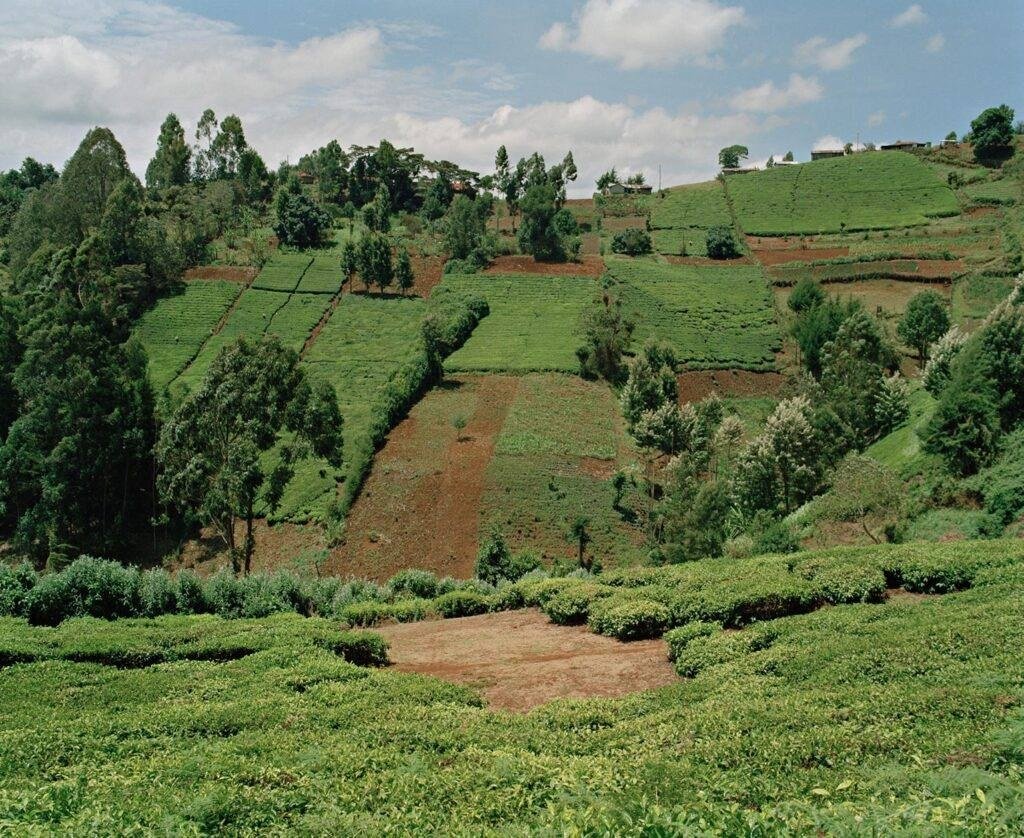
According to local legend, the exact spot where Kimathi fell — his blood soaking the soil — has remained infertile ever since. Even though the surrounding region is lush with tea plantations, one small patch of ground at Kahigaini refuses to grow anything, not even tea or grass.
Elders from Tetu and Nyeri say the land was cursed by Kimathi’s blood — a symbolic mark of sacrifice and injustice. Farmers have tried over the years to cultivate it, but the earth remains stubbornly barren. To this day, it stands as a silent memorial, a living reminder of the cost of freedom and the unhealed wounds of colonial violence.
Arrest and Aftermath
After his arrest, Kimathi was taken to Nyeri Hospital under armed guard, where Ian Henderson, the British colonial officer who had led the hunt for him, came to identify and interrogate him.
A few months later, Kimathi was tried in Nyeri under Emergency Regulations, convicted for possessing a firearm, and sentenced to death. Despite international appeals for clemency, including from British citizens and trade unionists, his sentence was upheld.
On February 18, 1957, he was hanged at Kamiti Maximum Prison and secretly buried in an unmarked grave.
The Spirit of Kahigaini
For the people of Nyeri, Kahigaini is not just a place — it is a sacred site of remembrance. Each year, freedom fighters, historians, and locals visit the area to honour Dedan Kimathi, whose courage continues to symbolize Kenya’s resilience and fight for self-determination.
The barren patch at Kahigaini is seen not as a curse, but as a living shrine — a testament to a man whose blood nurtured a nation’s freedom, even if it left the earth itself scarred.