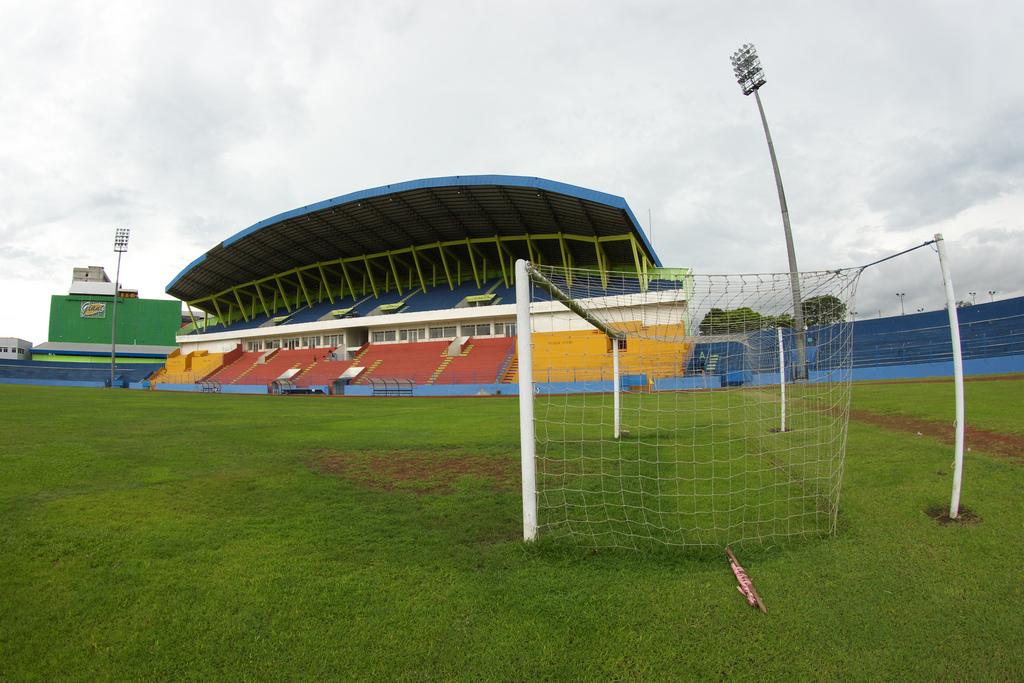
Capacity: 30,000
Country: Indonesia
City: Malang
Clubs: Persema Malang
Inauguration: 1926
Construction Period: 1924-1926
Renovations: 1990, 2007
Introduction
Stadion Gajayana, located in Malang, East Java, Indonesia, is one of the oldest and most iconic sports venues in the country. Although overshadowed by the larger Kanjuruhan Stadium in the region, Gajayana holds a significant place in Indonesian football history. The stadium, which opened in 1926, has undergone several renovations over the decades, maintaining its importance as a central sports hub for the city. Today, the stadium is primarily home to Persema Malang, a local football club, and remains an active venue for various sporting events.
Historical Significance and Development
The history of Stadion Gajayana dates back to the late 1920s, making it one of the oldest football venues in Indonesia. Initially, it served as the main sports center in Malang, hosting not just football matches but also various athletic competitions. Built during the Dutch colonial era, the stadium became a focal point for sports and a symbol of local pride.
Over the years, the stadium has seen multiple phases of renovation and redevelopment to meet the growing demands of modern sports and to maintain its standing as a key venue in the region.
Renovations and Upgrades
Stadion Gajayana underwent its first significant renovation in the early 1990s, expanding its capacity to around 17,000 spectators. However, the most notable transformation occurred in 2007, when the stadium was renovated again, boosting its capacity to 30,000 spectators. Despite these upgrades, the capacity estimate remains somewhat imprecise due to the arrangement of seats primarily reserved for fans in the main stand. The main infrastructure, such as the roof and seating, was also improved to provide better comfort and shelter for spectators.
Modern Use and Legacy
While Arema FC, one of the most prominent football clubs in Malang, used to call Stadion Gajayana home until 2004, the club has since moved to the larger Kanjuruhan Stadium. Since then, the stadium has become the sole home venue for Persema Malang, a local club that competes in Indonesia’s football leagues.
Though Stadion Gajayana has been overshadowed by the newer and larger stadiums in the region, such as Kanjuruhan, its historical significance and role in Malang’s sports culture cannot be overstated. It continues to be a hub for local football and other sporting events, as well as a cherished landmark in the city.
Stadium Design and Features
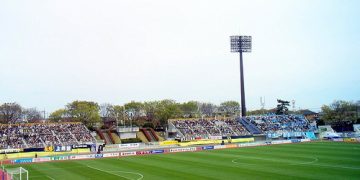
The stadium is designed in a traditional oval layout, with stands surrounding the playing field. While the stadium has been modernized over the years, it retains its classic charm, featuring a main stand with seating for fans. The roof structure and seating arrangements have been improved during renovations, but the stadium’s design still carries the legacy of the early 20th century.
Notably, Stadion Gajayana has become a symbol of local sporting culture, with the stadium serving as a place where fans can gather to support their teams, especially during matches involving Persema Malang.
Future of Stadion Gajayana
As Persema Malang continues to play at Stadion Gajayana, the venue remains an integral part of the city’s sports scene. However, with the increasing demand for modern sports facilities in Indonesia, there may be discussions in the future regarding further renovations or the potential construction of a new stadium to meet the evolving needs of the football community.
Conclusion
Stadion Gajayana is a testament to the rich sports history of Malang and Indonesia. With its long-standing heritage, multiple renovations, and continued use as a venue for football, it remains an important part of the city’s cultural and sporting identity. While modern stadiums may have overtaken it in terms of capacity and facilities, Stadion Gajayana’s historical significance and connection to the community ensure that it will always hold a special place in the hearts of sports fans in Malang and beyond.