Capacity: 27,000
Country: Indonesia
City: Bandung
Clubs: Persikab Bandung
Inauguration: 26/04/2005
Construction: 01/2003 – 04/2005
Cost: IDR 67.5 billion
Address: Soreang Simpang Selegong, Kutawaringin, Bandung, Jawa Barat 40911, Indonesia
Introduction
Stadion Si Jalak Harupat, located in the village of Soreang, south of Bandung, stands as a notable sports venue in West Java. Although not in the heart of the city, this stadium has become a key fixture in the region’s football culture. Named in honor of Oto Iskandar di Nata, a national hero, the stadium is home to Persikab Bandung and has hosted many significant football matches since its opening in 2005. The stadium’s modern facilities and controversies surrounding its construction add to its complex legacy.
Construction and History
The construction of Stadion Si Jalak Harupat began in 2003 and was completed in 2005. Built on what was once farmland, the project quickly garnered attention due to the scale of construction in a relatively rural area. Originally estimated to cost IDR 40 billion, the stadium ended up consuming nearly IDR 70 billion, sparking investigations into potential corruption in its funding.
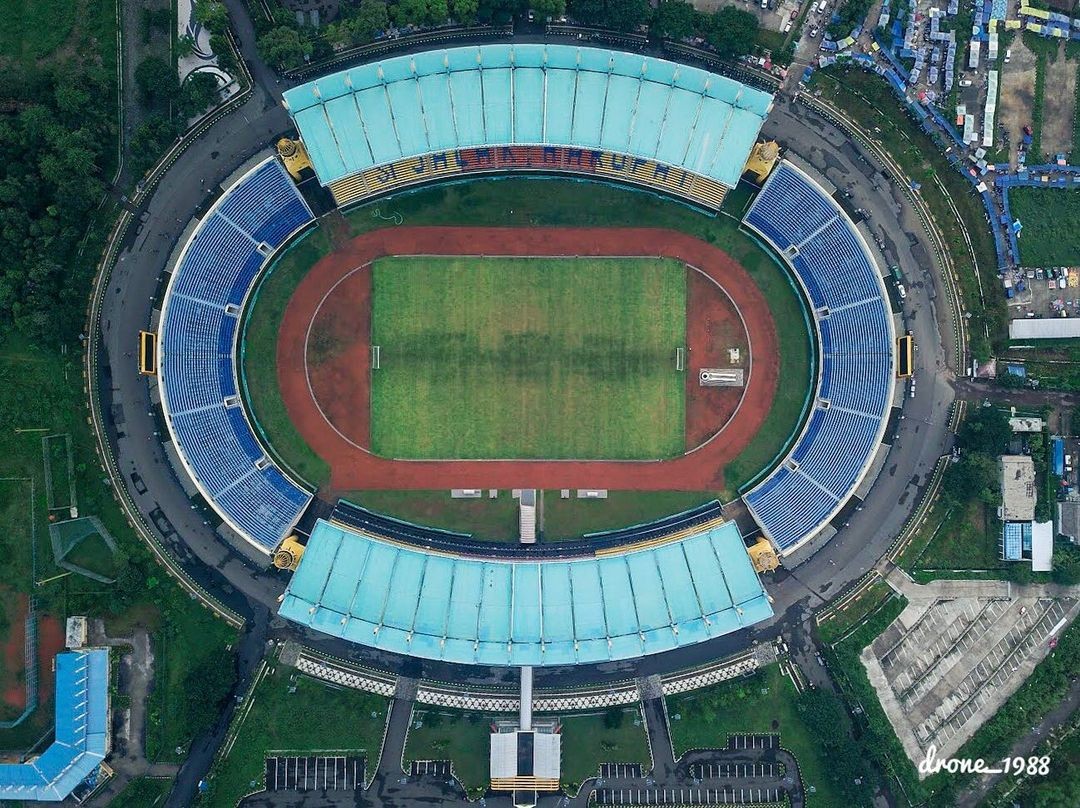
Despite the controversies surrounding its budget, the stadium was constructed to meet high standards. It features an 8-lane athletics track, although it is primarily used for football. Initially, it could hold around 40,000 spectators, though renovations in 2010 reduced its official capacity to 27,000 due to new international safety and seating standards.
Stadium Design and Features
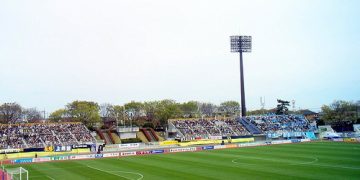
The stadium was designed with an athletics layout in mind, making it versatile for various sporting events. However, it is used almost exclusively for football. With the main stand situated along the south side and a track encircling the pitch, the layout offers both practical space for athletes and good visibility for spectators.
One of the most distinct features of the stadium is its location in Soreang, a village south of Bandung. While some may find its location far from the city center, it serves as an essential regional hub for sports in West Java. The 1,000 lux floodlights and the modern facilities ensure that the stadium meets the requirements for hosting professional matches, despite its rural surroundings.
Home to Persikab and Persib
Since its inauguration, Stadion Si Jalak Harupat has been the home stadium for Persikab Bandung. However, in 2008, Persib Bandung, one of the most popular football clubs in Indonesia, moved to the stadium. This brought increased attention to the venue, as Persib is known for having a passionate fanbase. The stadium’s increased popularity and capacity became a symbol of the growing football culture in Bandung and surrounding areas.
Controversies and Renovations
Like many large infrastructure projects, Stadion Si Jalak Harupat has not been free from controversy. The cost overruns during construction raised suspicions of mismanagement, leading to ongoing investigations into the financial handling of the project. Despite this, the stadium continues to serve as a key facility for football matches in the region.
In 2010, a major renovation was carried out to improve seating arrangements and meet international football standards. The renovation reduced the official capacity from 40,000 to 27,000, but it also provided much-needed updates to the stadium’s infrastructure, including new seating, better lighting, and improved spectator comfort.
Significance and Legacy
Though located outside the heart of Bandung, Stadion Si Jalak Harupat holds a significant place in the city’s sporting history. The stadium has hosted key matches for Persib Bandung and has become a central venue for local football events. Its name, which honors Oto Iskandar di Nata, reflects its cultural and historical importance in Indonesia.
Stadion Si Jalak Harupat is a multi-purpose stadium that has contributed to the development of football and sports in West Java. Despite its controversies, it remains a beloved venue for local football fans and continues to play an essential role in the region’s sporting landscape.
Conclusion
Stadion Si Jalak Harupat is a symbol of both the development and the challenges faced in the evolution of football infrastructure in Indonesia. From its controversial construction to its transformation into a modern football venue, it has seen both triumphs and challenges. Nevertheless, it remains a vital part of the football culture in Bandung and continues to host important matches for Persib Bandung and other local teams. As Indonesia continues to develop its football infrastructure, Stadion Si Jalak Harupat stands as a reminder of the nation’s growing football culture and the importance of sports venues in uniting communities.