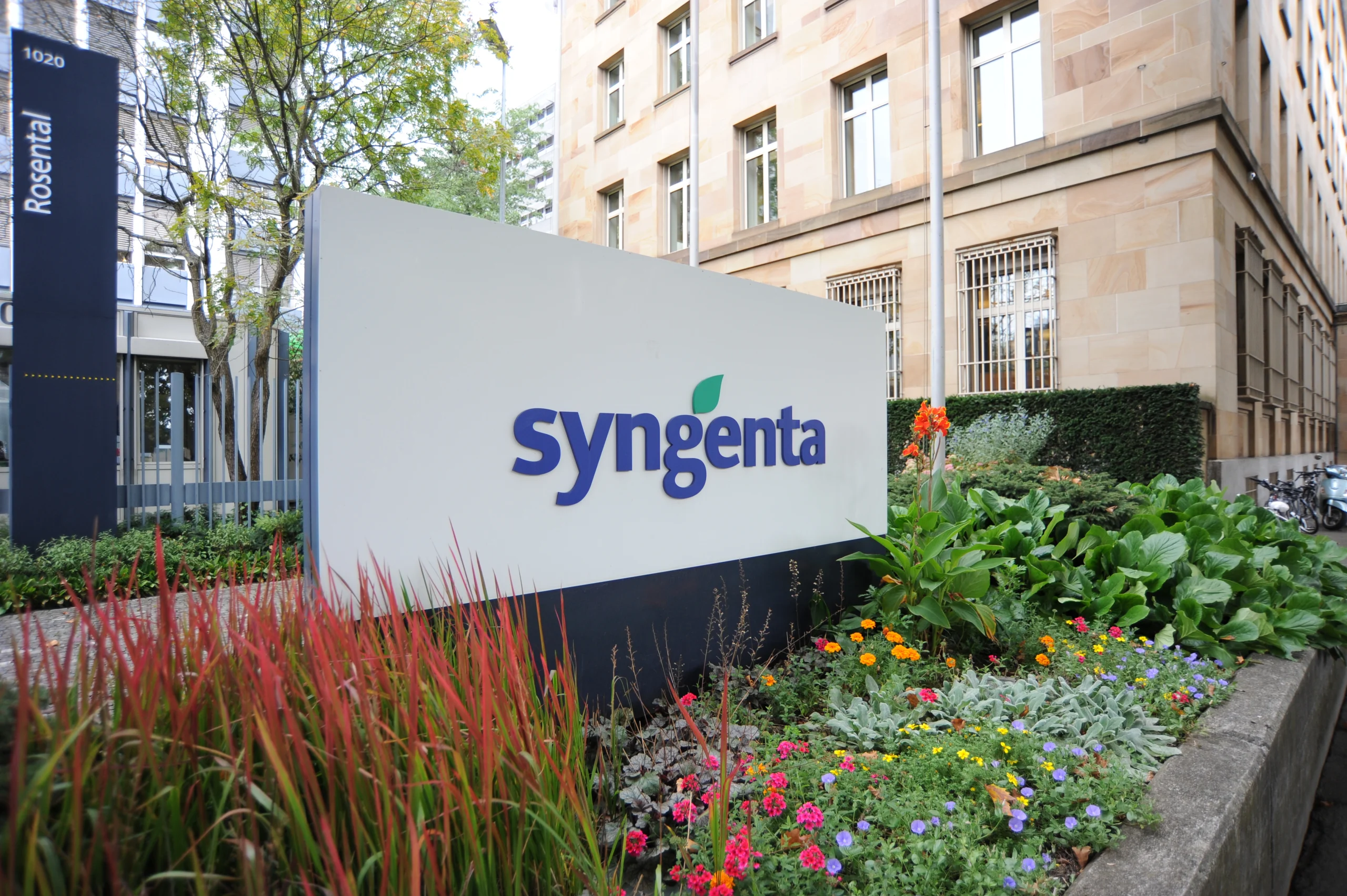
Seed Suppliers in the United States play a critical role in American agriculture because every crop season begins with seed selection. Farmers, growers, gardeners, nurseries, landscapers, food producers, and cooperatives depend on seed companies for genetics, yield potential, disease resistance, germination quality, crop traits, local adaptation, and technical support.
The U.S. seed market includes row-crop seed, vegetable seed, forage seed, cover crop seed, turf seed, organic seed, native seed, garden seed, and specialty crop seed. Large suppliers such as Corteva, Bayer, Syngenta, BASF, and Limagrain focus heavily on commercial agriculture, while companies such as Johnny’s Selected Seeds, High Mowing Organic Seeds, Sakata, and Harris Seeds serve vegetable growers, market farms, and gardeners.
The market is also becoming more technology-driven. Seed suppliers now compete through hybrid performance, biotechnology traits, seed treatments, gene editing, biologicals, digital agronomy, drought tolerance, herbicide systems, disease packages, and regional product testing. The U.S. seed market was estimated at $22.21 billion in 2026 and forecast to reach $30.82 billion by 2031, according to Mordor Intelligence.
This guide profiles leading Seed Suppliers in the United States and explains how buyers should evaluate seed quality, genetics, local performance, pricing, agronomic support, and supplier reliability.
Industry Overview: Seed Suppliers in the United States
The U.S. seed industry serves several markets. Row-crop suppliers provide corn, soybean, cotton, sorghum, wheat, alfalfa, canola, and silage seed. Vegetable seed companies supply growers with tomatoes, peppers, lettuce, brassicas, cucurbits, onions, herbs, and greenhouse varieties. Forage and turf suppliers provide grasses, legumes, pasture mixes, hay seed, lawn seed, and reclamation seed. Organic and heirloom seed companies serve organic farms, market gardeners, seed savers, and home growers.
The American Seed Trade Association says it represents companies involved in seed production and distribution, plant breeding, and related industries, and works on issues affecting the development, marketing, and movement of quality seed.
Ranking Methodology
This directory evaluates seed suppliers based on U.S. market relevance, crop coverage, product performance, farmer support, research investment, seed quality, regional availability, brand reputation, dealer network, specialty focus, and buyer usefulness.
Best Seed Suppliers in the United States
Corteva Agriscience
Overview
Corteva Agriscience is one of the most important Seed Suppliers in the United States, especially through its Pioneer brand. Corteva describes its U.S. seed portfolio as combining conventional and new trait technologies to help farmers get more from every acre.
Services Offered
Corn seed, soybean seed, sorghum seed, sunflower seed, alfalfa seed, seed treatments, crop protection products, biologicals, digital agriculture tools, and agronomic support.
Industries Served
Row-crop farmers, seed dealers, cooperatives, agronomists, livestock producers, and commercial growers.
Notable Projects
Pioneer is one of the most established seed brands in American agriculture and has a long history in hybrid seed corn.
Competitive Advantages
Corteva’s advantage is seed genetics, Pioneer brand recognition, crop protection integration, field testing, and dealer support.
Headquarters
Indianapolis, Indiana.
Website
corteva.com
Why It Stands Out
Corteva stands out for corn and soybean seed, trait technology, and strong farmer-facing agronomy support.
Bayer Crop Science
Overview
Bayer Crop Science is a major seed and crop protection supplier in the United States. Its DEKALB and Asgrow brands are widely used in corn and soybean production. Bayer says DEKALB offers advanced options including insect and herbicide resistance, while Asgrow soybeans feature exclusive genetics and weed-control technologies.
Services Offered
Corn seed, soybean seed, cotton seed, crop protection, seed treatments, herbicide-tolerant systems, insect traits, digital farming tools, and agronomic support.
Industries Served
Corn growers, soybean farmers, cotton producers, seed dealers, retailers, cooperatives, and commercial agriculture.
Notable Projects
DEKALB has been associated with corn seed innovation since 1912, according to Bayer’s brand materials.
Competitive Advantages
Bayer’s advantage is biotech trait strength, seed genetics, crop protection systems, and major row-crop brand recognition.
Headquarters
U.S. crop science operations: St. Louis, Missouri region.
Website
cropscience.bayer.us
Why It Stands Out
Bayer stands out for DEKALB corn, Asgrow soybeans, cotton seed, seed traits, and integrated crop protection.
Syngenta Seeds
Overview
Syngenta Seeds is a major supplier of corn, soybean, vegetable, sunflower, cereal, and specialty crop seed. It serves both broad-acre agriculture and specialty growers, making it one of the more diversified seed suppliers in the U.S. market.
Services Offered
Corn seed, soybean seed, vegetable seed, sunflower seed, cereals, seed treatments, crop protection, biologicals, and agronomic services.
Industries Served
Farmers, vegetable growers, seed dealers, processors, greenhouse growers, cooperatives, and agricultural retailers.
Notable Projects
Not publicly listed here.
Competitive Advantages
Syngenta’s advantage is a broad seed portfolio across row crops and vegetables, supported by crop protection and global breeding programs.
Headquarters
U.S. operations: Greensboro, North Carolina.
Website
syngenta-us.com
Why It Stands Out
Syngenta stands out for diversified seed supply, vegetable genetics, crop protection integration, and global research.
BASF Agricultural Solutions
Overview
BASF is a major agricultural input company with seed, crop protection, traits, and biological solutions. In the U.S., BASF is especially relevant in cotton seed, vegetable seed, canola, and seed-related crop technology.
Services Offered
Seed, seed traits, cotton varieties, vegetable seed, canola, crop protection, seed treatments, biologicals, and agronomic support.
Industries Served
Cotton growers, vegetable growers, canola producers, row-crop farmers, retailers, and agricultural distributors.
Notable Projects
Not publicly listed here.
Competitive Advantages
BASF’s advantage is crop protection depth, seed traits, cotton seed relevance, and specialty crop support.
Headquarters
U.S. agricultural operations: Research Triangle Park, North Carolina.
Website
agriculture.basf.us
Why It Stands Out
BASF stands out for crop protection-linked seed technology, cotton seed, vegetable seed, and specialty crop systems.
Beck’s Hybrids
Overview
Beck’s Hybrids is one of the largest family-owned seed companies in the United States. It is especially strong in the Midwest and serves farmers with corn, soybeans, wheat, and cover crop products.
Services Offered
Corn seed, soybean seed, wheat seed, cover crop seed, seed treatments, field trials, agronomic support, and dealer services.
Industries Served
Row-crop farmers, livestock producers, agronomists, seed dealers, and Midwestern farms.
Notable Projects
Beck’s is known for extensive farmer-facing field research and practical agronomy demonstrations.
Competitive Advantages
Its advantage is regional focus, farmer relationships, family ownership, and extensive local testing.
Headquarters
Atlanta, Indiana.
Website
beckshybrids.com
Why It Stands Out
Beck’s stands out for Midwest row-crop seed, practical agronomy, and strong farmer service.
Stine Seed Company
Overview
Stine Seed Company is a major U.S. seed supplier known for soybean genetics, corn seed, and independent seed research. It has long been associated with soybean breeding and licensing genetics across the industry.
Services Offered
Soybean seed, corn seed, wheat seed, seed treatments, agronomic support, and dealer services.
Industries Served
Row-crop farmers, seed dealers, soybean growers, corn producers, and agricultural retailers.
Notable Projects
Not publicly listed here.
Competitive Advantages
Stine’s advantage is soybean genetics, independent seed breeding, and a strong dealer network.
Headquarters
Adel, Iowa.
Website
stineseed.com
Why It Stands Out
Stine stands out for soybean seed genetics, corn seed, and independent breeding strength.
Limagrain / LG Seeds
Overview
Limagrain is a global farmer-owned seed group with a U.S. presence through LG Seeds and other brands. It serves corn, soybean, alfalfa, sorghum, and forage markets, especially through regional dealer networks.
Services Offered
Corn seed, soybean seed, alfalfa seed, sorghum seed, forage seed, silage products, agronomic support, and dealer services.
Industries Served
Row-crop farmers, dairy producers, livestock farms, forage growers, seed dealers, and cooperatives.
Notable Projects
Not publicly listed here.
Competitive Advantages
Its advantage is farmer-owned seed research, forage and silage relevance, and regional product positioning.
Headquarters
Global headquarters: France. U.S. seed operations serve American farm markets.
Website
lgseeds.com
Why It Stands Out
LG Seeds stands out for corn, soybeans, alfalfa, silage, and forage-focused seed programs.
Sakata Seed America
Overview
Sakata Seed America is an important vegetable and ornamental seed supplier in the United States. It serves commercial growers, greenhouse producers, distributors, and professional horticulture markets.
Services Offered
Vegetable seed, ornamental seed, broccoli, cabbage, watermelon, melon, pepper, tomato, spinach, and specialty crop varieties.
Industries Served
Commercial vegetable growers, greenhouse growers, seed dealers, distributors, nurseries, and horticulture professionals.
Notable Projects
Not publicly listed here.
Competitive Advantages
Sakata’s advantage is vegetable breeding, specialty crop genetics, and professional grower support.
Headquarters
Morgan Hill, California.
Website
sakata.com
Why It Stands Out
Sakata stands out for vegetable seed, specialty crop breeding, and commercial grower markets.
Johnny’s Selected Seeds
Overview
Johnny’s Selected Seeds is a well-known seed supplier serving market gardeners, organic growers, small farms, home gardeners, and specialty crop producers. It is especially respected in vegetable, flower, herb, and tool supply markets.
Services Offered
Vegetable seed, flower seed, herb seed, organic seed, cover crop seed, growing tools, supplies, seed-starting products, and grower resources.
Industries Served
Market gardeners, small farms, organic farms, home gardeners, CSA farms, schools, and specialty growers.
Notable Projects
Not publicly listed here.
Competitive Advantages
Johnny’s advantage is practical grower education, specialty varieties, organic options, and strong market-farm relevance.
Headquarters
Winslow, Maine.
Website
johnnyseeds.com
Why It Stands Out
Johnny’s stands out for vegetable seed, organic seed, market-garden tools, and grower-focused guidance.
High Mowing Organic Seeds
Overview
High Mowing Organic Seeds is a U.S. seed company focused on certified organic vegetable, herb, flower, and cover crop seed. It serves organic farms, gardeners, market growers, and seed retailers.
Services Offered
Organic vegetable seed, organic herb seed, organic flower seed, cover crop seed, seed collections, and grower resources.
Industries Served
Organic farmers, home gardeners, market growers, seed retailers, CSAs, and schools.
Notable Projects
Not publicly listed here.
Competitive Advantages
Its advantage is organic specialization and alignment with certified organic production systems.
Headquarters
Wolcott, Vermont.
Website
highmowingseeds.com
Why It Stands Out
High Mowing stands out for certified organic seed, small-farm relevance, and organic grower support.
Industry Trends Affecting Seed Suppliers
Seed Genetics and Trait Technology
Seed suppliers compete through genetics, herbicide tolerance, insect resistance, disease packages, drought tolerance, and regional yield stability.
Gene Editing and Advanced Breeding
Gene editing and advanced breeding are becoming more important as companies seek faster development of traits for disease resistance, climate stress, and nutrition.
Local Adaptation
Farmers increasingly want seed tested in local conditions. Soil type, rainfall, heat, disease pressure, planting date, and management systems affect performance.
Organic and Specialty Seed Demand
Organic farms, market gardens, and local food systems are increasing demand for untreated, organic, open-pollinated, and specialty vegetable seed.
Seed Treatment Stewardship
Seed treatment can protect seedlings but requires careful handling, storage, planting, and environmental stewardship.
Climate Resilience
Heat, drought, flooding, and disease pressure are making resilience a key seed-selection factor.
Buyer’s Guide: How to Choose Seed Suppliers
Match Seed to Region and Crop System
Choose seed based on local trial results, maturity zone, soil type, irrigation, disease pressure, planting date, and yield goals.
Review Independent Performance Data
Do not rely only on catalog claims. Compare university trials, local strip trials, dealer plots, and neighboring farm experience.
Ask About Traits and Technology Fees
For row crops, understand herbicide systems, insect traits, refuge requirements, seed treatment, licensing rules, and technology agreements.
Check Germination and Seed Quality
Ask about germination rate, purity, lot testing, seed size, treatment, storage conditions, and replacement policy.
Compare Agronomic Support
A strong supplier should help with hybrid selection, planting population, disease management, fertility considerations, and harvest planning.
Watch for Red Flags
Red flags include vague performance claims, no local trial data, poor germination documentation, weak dealer support, unclear technology agreements, and no replacement policy for quality issues.
Why Seed Suppliers Matter in the United States
Seed suppliers influence yield, food security, farm profitability, crop resilience, livestock feed supply, and agricultural innovation. Good seed can help farmers manage weeds, pests, drought, disease, and changing weather. Poor seed choice can reduce yields, increase costs, and create management problems for an entire season.
Seed companies also support research, breeding, regional trials, seed conditioning, quality control, and farmer education. As U.S. agriculture becomes more technology-driven and climate-sensitive, Seed Suppliers in the United States will remain essential.
Conclusion
The leading Seed Suppliers in the United States include Corteva Agriscience, Bayer Crop Science, Syngenta Seeds, BASF Agricultural Solutions, Beck’s Hybrids, Stine Seed Company, Limagrain/LG Seeds, Sakata Seed America, Johnny’s Selected Seeds, and High Mowing Organic Seeds. Corteva, Bayer, Syngenta, BASF, Beck’s, Stine, and LG Seeds are especially important for row crops and commercial agriculture. Sakata is strong in vegetable seed. Johnny’s and High Mowing are valuable for market growers, organic farms, and home gardeners.
For buyers, the best seed supplier is the one with strong genetics, local performance data, reliable seed quality, clear technology terms, practical agronomic support, and products suited to the farm or growing system.
Frequently Asked Questions
What are the best Seed Suppliers in the United States?
Some of the best-known Seed Suppliers in the United States include Corteva Agriscience, Bayer Crop Science, Syngenta Seeds, BASF Agricultural Solutions, Beck’s Hybrids, Stine Seed Company, Limagrain/LG Seeds, Sakata Seed America, Johnny’s Selected Seeds, and High Mowing Organic Seeds. The best supplier depends on crop type, region, farming system, seed traits, organic needs, and local performance data.
Who is the largest seed supplier in the United States?
Corteva Agriscience and Bayer Crop Science are among the largest and most influential seed suppliers in the U.S. row-crop market. Corteva is closely associated with Pioneer, while Bayer’s DEKALB and Asgrow brands are major corn and soybean seed brands.
What does a seed supplier do?
A seed supplier produces, processes, tests, packages, distributes, and supports seed for crops, vegetables, forage, turf, flowers, cover crops, and gardens. Many suppliers also provide breeding, seed treatments, agronomy advice, dealer support, technology traits, and product performance data.
How do I choose a seed supplier?
Choose a seed supplier based on crop type, local performance, germination quality, disease resistance, maturity, trait package, price, dealer support, and agronomic advice. Farmers should compare local trial data and not rely only on national marketing claims.
Which seed suppliers are best for corn and soybeans?
Corteva/Pioneer, Bayer’s DEKALB and Asgrow, Syngenta, Beck’s Hybrids, Stine Seed, LG Seeds, and regional seed companies are strong options for corn and soybeans. The best choice depends on location, maturity group, trait needs, disease pressure, yield history, and dealer support.
Which seed suppliers are best for vegetable growers?
Sakata Seed America, Johnny’s Selected Seeds, High Mowing Organic Seeds, Harris Seeds, Syngenta Vegetable Seeds, Enza Zaden, and regional suppliers are useful for vegetable growers. Commercial growers should evaluate disease packages, uniformity, market quality, shelf life, and local performance.
What is the difference between hybrid and open-pollinated seed?
Hybrid seed is produced by crossing selected parent lines to create uniform plants with specific performance traits. Open-pollinated seed can reproduce more consistently from saved seed when properly isolated. Hybrids often offer yield and uniformity advantages, while open-pollinated varieties may appeal to seed savers and specialty growers.
Are organic seeds better?
Organic seed is required or preferred for certified organic systems when available and suitable. It is not automatically better for every farm, but it is produced under organic standards and may be better aligned with organic soil, pest, and fertility systems. Buyers should still check germination, variety performance, and disease resistance.
What are warning signs of a weak seed supplier?
Warning signs include poor germination information, no local trial data, unclear trait licensing terms, weak customer support, inconsistent seed quality, vague yield claims, and limited replacement policies. For commercial farms, lack of agronomic support is a major concern.
Why are Seed Suppliers important?
Seed Suppliers are important because seed quality and genetics shape the entire crop season. Good seed supports yield, disease resistance, crop uniformity, farm profitability, food supply, and climate resilience. A poor seed decision can affect production for months.
Read Also: Farm Equipment Dealers in the United States