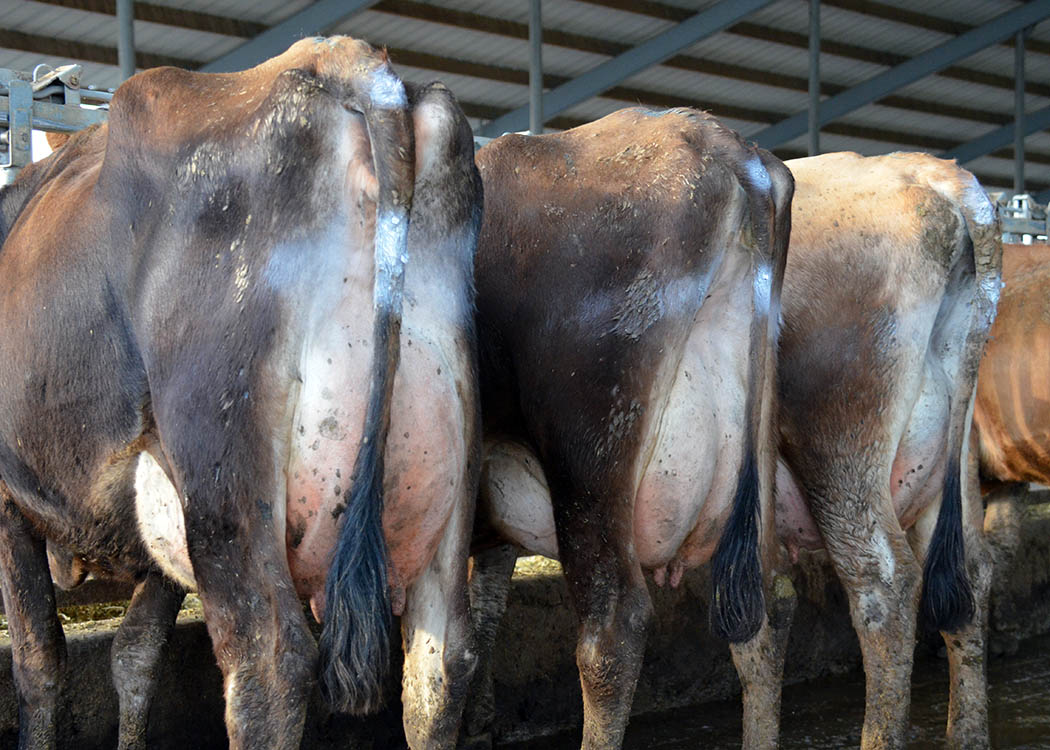
Dairy Farms in the United States are central to the country’s food system, rural economy, agricultural exports, and supply of milk, cheese, yogurt, butter, cream, and dairy ingredients. The sector includes small family farms, large modern dairies, farmer-owned cooperatives, organic operations, grazing-based farms, and vertically integrated businesses connected to processing, logistics, and branded dairy products.
The U.S. dairy industry has changed significantly over the past two decades. USDA data shows that milk production has continued to rise even as the number of dairy farms has declined, meaning fewer farms are producing more milk through larger herds, improved genetics, better feed management, advanced milking systems, and more efficient farm operations. U.S. milk production reached 232 billion pounds in 2025, while the annual average number of milk cows was about 9.5 million head.
This shift has created a more productive but more complex industry. Large dairy farms can supply processors at scale, invest in manure management, use data-driven herd monitoring, and support advanced milk quality programs. Smaller farms, meanwhile, remain important for local food systems, specialty cheeses, organic milk, direct-to-consumer sales, and rural identity.
Demand is also changing. Consumers are asking more questions about animal welfare, sustainability, traceability, antibiotics, regenerative agriculture, methane emissions, and the environmental footprint of dairy products. At the same time, demand for cheese, yogurt, high-protein milk, dairy ingredients, and export products continues to support investment across the sector.
This guide examines leading Dairy Farms in the United States, explains how the industry works, highlights major trends, and helps readers understand what makes a dairy operation stand out in a highly competitive market.
Industry Overview: Dairy Farms in the United States
The U.S. dairy sector is one of the most advanced in the world. It supports milk production, processing, transportation, feed production, veterinary services, genetics, equipment manufacturing, food manufacturing, exports, and rural employment.
The largest dairy states include California, Wisconsin, Idaho, Texas, New York, Michigan, Pennsylvania, Minnesota, New Mexico, and Washington. California leads in total milk production, while Wisconsin remains strongly associated with cheese and family dairy farming. Idaho and Texas have grown rapidly because of large-scale farms, feed availability, processing investment, and business-friendly agricultural regions.
The industry is shaped by several forces. Consolidation is one of the most important. Many smaller farms have exited the market because of volatile milk prices, labor pressure, feed costs, land costs, debt, and generational succession challenges. Larger farms often have better access to capital, technology, specialized labor, and long-term processor contracts.
Another major factor is processing capacity. Dairy farms depend on nearby plants that can handle milk quickly and efficiently. Cheese plants, yogurt facilities, milk powder plants, butter plants, and ingredient processors influence where farms expand. A farm with strong production but weak processing access can face logistical and pricing disadvantages.
Regulation is also important. Dairy farms must follow rules related to milk safety, animal health, manure management, water use, labor, nutrient plans, food safety, and environmental protection. Larger farms may face additional scrutiny as concentrated animal feeding operations.
The future of U.S. dairy will likely favor farms that can combine scale, animal care, environmental management, transparent reporting, technology adoption, and strong processor relationships.
Ranking Methodology
This directory evaluates dairy farms and dairy farming groups based on industry relevance, public profile, scale, innovation, sustainability practices, market influence, educational value, and contribution to the U.S. dairy supply chain.
The ranking considers several factors: reputation, herd scale where publicly available, milk quality, sustainability initiatives, processing relationships, geographic reach, technology adoption, transparency, public education, and long-term industry influence.
This is not a paid ranking. It is also not a claim that every listed farm is the largest by cow numbers or milk volume. Many large U.S. dairy farms are privately held and do not publish full production data. The goal is to profile important, visible, and influential dairy operations that help explain the modern U.S. dairy industry.
Leading Dairy Farms in the United States
Fair Oaks Farms
Overview
Fair Oaks Farms in Indiana is one of the most publicly recognized dairy farm operations in the United States. It is known not only as a working dairy operation but also as an agricultural tourism and education destination. Visitors can tour dairy facilities, learn about modern milk production, and see how large-scale dairy farming works.
Fair Oaks has become important because it connects consumers with a sector that is often misunderstood. Many Americans consume dairy products every day but rarely see how milk is produced, how cows are cared for, or how farms manage feeding, milking, manure, and sustainability.
The farm has also faced public scrutiny in the past over animal welfare concerns, making it a useful example of why transparency, training, auditing, and accountability matter in modern dairy. For buyers and readers, the lesson is clear: large dairy farms must not only produce efficiently but also demonstrate trustworthiness.
Products and Services
Fair Oaks Farms is connected to milk production, dairy education, farm tours, food service, hospitality, and agricultural learning experiences.
Industries Served
The farm serves dairy processors, consumers, schools, tourists, agricultural education groups, and food industry partners.
Notable Features
Fair Oaks is widely known for its Dairy Adventure experience, interactive exhibits, farm tours, and public-facing model of modern farming.
Competitive Advantages
Its biggest advantage is visibility. Few dairy farms in the United States have done as much to bring consumers onto a working farm environment.
Headquarters
Fair Oaks, Indiana.
Website
fofarms.com
Why It Stands Out
Fair Oaks stands out because it combines dairy production with public education, tourism, food service, and consumer engagement.
Riverview, LLP
Overview
Riverview, LLP is one of the most prominent large-scale dairy farming businesses in the United States. Based in Morris, Minnesota, the company describes dairy farming as its primary focus and also operates in beef cattle and crop production. Its operations extend across several states, including Minnesota, Arizona, Nebraska, New Mexico, and South Dakota.
Riverview represents the modern multi-site dairy model. Instead of operating as a single traditional family farm, it functions as a large agricultural business with specialized teams, multiple locations, and integrated livestock and crop operations. This model allows for scale, operational consistency, workforce development, and strong supply relationships.
The company is also frequently discussed in conversations about the future of dairy because large operations raise important questions about water use, rural land markets, labor, manure management, and community impact. Supporters see large dairies as efficient and technologically advanced. Critics worry about environmental pressure and local resource competition.
Products and Services
Riverview focuses on dairy farming, beef cattle, crop production, calf operations, and agricultural management.
Industries Served
The company serves dairy processors, food manufacturers, livestock markets, agricultural supply chains, and rural employment markets.
Notable Features
Riverview is known for large-scale dairy operations, employee ownership culture, multi-state growth, and integrated agricultural systems.
Competitive Advantages
Its competitive advantage is scale combined with specialization. Multi-site operations allow the company to standardize systems, develop managers, and serve processors with reliable milk supply.
Headquarters
Morris, Minnesota.
Website
riverviewllp.com
Why It Stands Out
Riverview stands out as one of the clearest examples of the large-scale, professionally managed dairy model shaping the future of U.S. milk production.
McCarty Family Farms
Overview
McCarty Family Farms is a fourth-generation dairy farming business based in northwest Kansas. The farm is widely recognized for its partnership model, sustainability focus, and work with Danone North America. It is one of the best examples of a family-owned dairy that has expanded while maintaining a strong public identity around cow care, land stewardship, and innovation.
One of McCarty’s most notable features is its evaporative milk condensing plant. The system reduces the volume of milk before transportation by removing water from milk, which can reduce hauling needs and improve supply efficiency. Reclaimed water is then used for irrigation, linking dairy processing innovation with resource management.
McCarty Family Farms has also invested in public education through the Judy McCarty Dairy Learning Center, helping visitors understand how milk moves from farm to consumer.
Products and Services
The farm produces high-quality milk and supports dairy education, milk condensing, land stewardship, and sustainable farm management.
Industries Served
McCarty serves dairy processors, yogurt and food manufacturing partners, consumers, educational groups, and local agricultural communities.
Notable Features
The farm is known for its Danone partnership, evaporative milk condensing plant, large registered Holstein herd, and public-facing education center.
Competitive Advantages
Its advantage is innovation. The farm has created a model that connects milk production, processing efficiency, water reuse, and processor partnership.
Headquarters
Rexford, Kansas.
Website
mccartyfamilyfarms.com
Why It Stands Out
McCarty Family Farms stands out because it combines family ownership, scale, sustainability, processing innovation, and consumer education.
Threemile Canyon Farms
Overview
Threemile Canyon Farms in Oregon is one of the most significant dairy and crop farming operations in the Pacific Northwest. The farm is closely associated with large-scale dairy production, crop production, sustainability systems, and milk supply for regional dairy products.
Its model is often discussed because it integrates dairy cows, feed crops, manure management, and land use on a large scale. This type of closed-loop approach is important in modern dairy because farms must manage nutrients responsibly while producing enough feed and milk to remain competitive.
Threemile Canyon Farms is also connected to Oregon’s dairy processing and cheese supply chain, making it important beyond the farm gate. Large dairies like this can support regional processors by providing consistent milk supply, quality control, and volume.
Products and Services
The farm produces milk and crops, with emphasis on dairy production, feed production, and responsible agricultural management.
Industries Served
It serves dairy processors, cheese manufacturers, agricultural supply chains, regional food markets, and rural employment networks.
Notable Features
The farm is known for large-scale dairy production, crop integration, sustainability practices, and its role in Oregon’s dairy economy.
Competitive Advantages
Its advantage is integrated scale. Dairy and crop operations can work together to support feed supply, manure reuse, and production efficiency.
Headquarters
Boardman, Oregon.
Website
threemilecanyonfarms.com
Why It Stands Out
Threemile Canyon Farms stands out for its scale, regional importance, and integrated dairy-crop farming model.
Hilmar Jerseys
Overview
Hilmar Jerseys is one of California’s most recognized dairy farming operations. Located in the heart of California’s dairy region, it is strongly associated with high-quality Jersey milk and the growth of value-added dairy processing in the state.
California is the largest milk-producing state in the country, and farms in regions such as the Central Valley have helped build a powerful dairy processing economy. Hilmar Jerseys is often linked with milk supply for cheese and ingredient production, making it important in the broader California dairy ecosystem.
Jersey cows are valued for milk components such as butterfat and protein, which are especially important for cheese, butter, and premium dairy products. This gives Jersey-focused farms a strategic role in markets where milk quality and solids matter.
Products and Services
Hilmar Jerseys produces milk with strong emphasis on Jersey genetics, milk components, and dairy quality.
Industries Served
The farm serves dairy processors, cheese manufacturers, ingredient producers, and the broader California dairy supply chain.
Notable Features
Hilmar Jerseys is associated with large-scale Jersey dairy production and California’s advanced dairy processing industry.
Competitive Advantages
Its advantage is milk composition. Jersey milk can be valuable for processors focused on cheese yield and dairy solids.
Headquarters
Hilmar, California.
Website
Not publicly listed.
Why It Stands Out
Hilmar Jerseys stands out because it represents California’s large, specialized, component-focused dairy production model.
Faria Brothers Dairies
Overview
Faria Brothers Dairies is widely recognized as one of the major dairy farming names associated with Texas dairy growth. Texas has become one of the most important dairy states in the country because of large-scale operations, feed resources, processing investment, and favorable conditions for expansion.
Large dairies in Texas have helped shift part of U.S. milk production toward the Southwest. These operations often rely on scale, efficient herd management, strong feed systems, and processor relationships. Faria Brothers is frequently discussed in industry conversations about mega-dairies and modern high-volume milk production.
Because many large private dairies do not publish detailed public profiles, buyers and researchers should verify current herd size, ownership structure, and operating locations directly. Still, Faria Brothers remains one of the names commonly associated with large-scale U.S. dairy farming.
Products and Services
The company is associated with milk production, herd management, dairy operations, and agricultural supply chains.
Industries Served
It serves dairy processors, food manufacturers, agricultural suppliers, livestock services, and regional dairy markets.
Notable Features
Faria Brothers is known for large-scale dairy farming in Texas and its role in the expansion of the Southwest dairy sector.
Competitive Advantages
Its advantage is scale in a fast-growing dairy region.
Headquarters
Texas.
Website
Not publicly listed.
Why It Stands Out
Faria Brothers stands out because it reflects the rise of Texas as a major center of U.S. milk production.
Tuls Dairies
Overview
Tuls Dairies is another major dairy farming operation associated with large-scale milk production in the central United States. The company is often discussed in connection with Nebraska and nearby dairy growth regions.
Dairy expansion in states such as Nebraska has been driven by land availability, feed access, processing opportunities, and the ability to operate modern large-herd systems. Farms like Tuls Dairies reflect the shift from small, single-site dairies to larger operations that can serve processors with consistent supply.
Large dairies also face higher expectations. They must manage manure, labor, animal welfare, water, feed efficiency, and environmental compliance carefully. Their success depends not only on cow numbers but on professional management systems.
Products and Services
Tuls Dairies is associated with milk production, large-herd dairy management, and agricultural operations.
Industries Served
The company serves milk processors, dairy supply chains, livestock service providers, and rural economies.
Notable Features
The operation is known in industry discussions for large-scale dairy production in the Midwest and Plains region.
Competitive Advantages
Its advantage is operational scale in a region with strong agricultural resources.
Headquarters
Nebraska region.
Website
Not publicly listed.
Why It Stands Out
Tuls Dairies stands out as an example of large-scale dairy growth outside the traditional coastal dairy states.
Dairy Farmers of America Member Farms
Overview
Dairy Farmers of America is not a single dairy farm. It is a major farmer-owned dairy cooperative made up of member farms across the United States. Including it in this directory is important because many of the country’s most important dairy farms market their milk through cooperatives rather than directly to consumers.
DFA helps connect farmers with processing, marketing, logistics, ingredients, and branded dairy products. For individual dairy farms, cooperative membership can provide market access, bargaining power, supply-chain support, and risk management.
DFA also represents the cooperative structure that has long shaped U.S. dairy. While large farms get much of the attention, thousands of family dairy farms still rely on cooperative systems to move milk from farm to market.
Products and Services
DFA member farms produce raw milk. The cooperative handles milk marketing, processing, logistics, ingredients, and dairy product distribution.
Industries Served
The cooperative serves dairy farmers, processors, retailers, food manufacturers, foodservice companies, and consumers.
Notable Features
DFA is one of the most influential dairy cooperatives in the United States.
Competitive Advantages
Its advantage is national scale and cooperative ownership.
Headquarters
Kansas City, Kansas.
Website
dfamilk.com
Why It Stands Out
DFA member farms stand out because they show how cooperative systems remain central to the U.S. dairy economy.
Industry Trends Affecting Dairy Farms in the United States
Consolidation and Larger Herds
The U.S. dairy industry has steadily moved toward fewer but larger farms. This has improved production efficiency but has also created concerns about family farm survival, rural employment patterns, market concentration, and community impacts.
Milk Components and Value-Added Products
Processors increasingly value milk for its butterfat, protein, and solids, not only volume. Cheese, yogurt, high-protein milk, butter, and dairy ingredients are major growth areas, making feed quality, genetics, and herd health more important.
Sustainability and Methane Reduction
Dairy farms face growing pressure to reduce emissions, manage manure responsibly, protect water, and improve nutrient use. Methane digesters, manure separation, covered lagoons, feed additives, renewable natural gas projects, and nutrient management plans are becoming more visible.
Animal Welfare and Transparency
Consumers, retailers, and processors increasingly want proof of animal care standards. Farms need training, audits, monitoring, documentation, and clear accountability systems. Public trust depends on more than production efficiency.
Labor and Automation
Labor shortages are pushing farms toward automation. Robotic milking, activity monitors, automated calf feeders, feed pushers, sensors, and data systems can improve consistency, but they require capital and skilled management.
Water and Feed Security
Dairy farms depend on reliable feed and water. Drought, irrigation limits, groundwater regulation, and feed price volatility can affect where dairies expand and how they manage risk.
Buyer’s Guide: How to Evaluate Dairy Farms
Check Milk Quality Standards
Processors and buyers should examine somatic cell count, bacterial count, antibiotic testing history, component levels, and consistency. Quality milk begins with cow health, clean facilities, proper cooling, and strong management.
Review Animal Welfare Practices
Ask whether the farm follows recognized animal care programs, trains employees, audits handling practices, and monitors cow comfort. Look at housing, bedding, ventilation, lameness prevention, calf care, and veterinary protocols.
Understand Sustainability Claims
Sustainability claims should be backed by evidence. Ask about manure management, water use, nutrient plans, energy efficiency, methane reduction, soil health, feed sourcing, and third-party verification where available.
Consider Supply Reliability
Large processors need consistent milk volume and quality. A farm’s herd health, feed supply, labor stability, equipment maintenance, and transportation access all affect reliability.
Look at Traceability
Traceability matters for food safety, branding, and consumer trust. Buyers should understand how milk is tracked from farm to plant and what records are available.
Watch for Red Flags
Red flags include poor facility hygiene, weak animal welfare controls, unclear environmental practices, inconsistent milk quality, lack of employee training, poor communication, and unwillingness to provide documentation.
Why Dairy Farms Matter in the United States
Dairy farms matter because they connect agriculture, nutrition, manufacturing, rural employment, trade, and food security. Milk from farms becomes drinking milk, cheese, yogurt, butter, cream, ice cream, infant formula ingredients, protein products, and food manufacturing inputs.
The industry supports jobs far beyond the farm. Feed suppliers, veterinarians, nutritionists, truck drivers, equipment dealers, processors, packaging companies, laboratories, retailers, exporters, and food manufacturers all depend on dairy production.
Dairy farms also shape rural communities. They create year-round work, support local tax bases, buy feed and services, and keep agricultural land productive. In some regions, dairy processing plants are among the most important employers.
At the same time, dairy farms must manage real challenges. Water use, manure management, methane emissions, animal welfare, labor conditions, and market power are serious issues. The future of dairy depends on farms that can produce efficiently while earning public trust.
Conclusion
Dairy Farms in the United States are becoming larger, more technical, more transparent, and more closely tied to processors, retailers, and sustainability expectations. Fair Oaks Farms stands out for public education and consumer engagement. Riverview, LLP represents large-scale multi-state dairy management. McCarty Family Farms shows how family ownership can combine with innovation and processor partnerships. Threemile Canyon Farms highlights integrated dairy and crop production. Hilmar Jerseys reflects California’s component-focused dairy economy. Faria Brothers and Tuls Dairies represent the growth of large-scale dairies in the Southwest and Plains. DFA member farms show the continuing importance of cooperatives.
The best dairy farms are not defined by size alone. They stand out through milk quality, animal care, environmental management, innovation, transparency, and reliable supply. For buyers, processors, and readers, the key is to understand the farm model behind the milk. The future of U.S. dairy will belong to farms that can balance productivity with responsibility.
Frequently Asked Questions
What are the biggest dairy farms in the United States?
Some of the biggest and most recognized dairy farming names in the United States include Riverview, LLP, Fair Oaks Farms, Threemile Canyon Farms, Faria Brothers Dairies, Tuls Dairies, and McCarty Family Farms. However, exact rankings can be difficult because many large dairy farms are privately owned and do not publish full herd counts or milk production data. The largest operations are usually multi-site businesses rather than single traditional farms.
Which state has the most dairy farms in the United States?
Wisconsin has historically had one of the highest numbers of dairy farms, while California leads in total milk production. Other important dairy states include Idaho, Texas, New York, Michigan, Pennsylvania, Minnesota, New Mexico, and Washington. The difference matters because a state can have many smaller farms or fewer large farms that produce more total milk.
What is the largest dairy-producing state in the United States?
California is the largest dairy-producing state by total milk volume. The state’s dairy industry is concentrated in regions with large herds, advanced processing, and strong cheese and ingredient production. Wisconsin remains one of the most famous dairy states because of its cheese industry and long dairy farming tradition.
Are most U.S. dairy farms family owned?
Many U.S. dairy farms are still family owned, but the structure of the industry has changed. Some family farms are small or mid-sized, while others have grown into large multi-site businesses with professional management teams. The term “family farm” can describe a wide range of operations, from small local farms to large commercial dairies owned by farming families.
Why are dairy farms getting larger?
Dairy farms are getting larger because milk production requires high capital investment, specialized labor, expensive equipment, consistent feed supply, and strong processor relationships. Larger farms can spread costs across more cows, invest in technology, and negotiate supply contracts. However, consolidation has also raised concerns about small farm survival and rural community impacts.
What do dairy farms produce besides milk?
Dairy farms primarily produce milk, but their output supports many products, including cheese, yogurt, butter, cream, ice cream, milk powder, whey protein, dairy ingredients, and high-protein beverages. Some farms also produce crops, beef cattle, compost, renewable natural gas, or educational experiences depending on their business model.
How do dairy farms make money?
Dairy farms earn revenue by selling milk, usually to processors or cooperatives. Some farms also earn income from cattle sales, crops, manure-based products, renewable energy, farm tours, branded dairy products, or direct-to-consumer sales. Profitability depends on milk prices, feed costs, labor, debt, herd health, milk quality, and production efficiency.
What makes a dairy farm successful?
A successful dairy farm combines healthy cows, strong milk quality, efficient feed use, skilled labor, reliable facilities, good genetics, financial discipline, environmental management, and strong market access. Success is not only about herd size. A smaller farm with strong milk quality and specialty markets can be more resilient than a larger farm with weak cost control.
What are the main challenges facing U.S. dairy farms?
Major challenges include volatile milk prices, high feed costs, labor shortages, environmental regulation, animal welfare scrutiny, water availability, disease risk, debt pressure, and competition from plant-based alternatives. Farms must also adapt to consumer expectations around sustainability, transparency, and traceability.
Are large dairy farms bad for the environment?
Large dairy farms can create environmental risks if manure, water, emissions, and nutrients are poorly managed. However, larger farms may also have the capital to invest in digesters, nutrient planning, water reuse, precision feeding, and emissions reduction. Environmental performance depends on management quality, regulation, location, and accountability.
What is a dairy cooperative?
A dairy cooperative is a farmer-owned organization that helps members market milk, access processing, manage logistics, and sell dairy products. Cooperatives allow farmers to work together in a market where processors, retailers, and food manufacturers often have significant bargaining power. Dairy Farmers of America is one of the most important dairy cooperatives in the United States.
How is milk quality measured on dairy farms?
Milk quality is measured through factors such as somatic cell count, bacteria count, temperature control, antibiotic testing, butterfat, protein, and overall cleanliness. High-quality milk usually reflects healthy cows, clean equipment, proper cooling, good employee training, and strong herd management.
Why is animal welfare important in dairy farming?
Animal welfare is important because cow health directly affects milk quality, productivity, farm reputation, and consumer trust. Good welfare includes proper nutrition, clean water, comfortable housing, veterinary care, safe handling, hoof care, calf care, and trained employees. Buyers and processors increasingly expect farms to document animal care practices.
What is the future of dairy farming in the United States?
The future of U.S. dairy will likely include larger and more technologically advanced farms, stronger sustainability expectations, more automation, improved genetics, better data systems, methane reduction projects, and closer processor partnerships. Small and mid-sized farms may survive by focusing on specialty markets, organic milk, local branding, agritourism, or premium products.
Read Also: Poultry Farms in the United States