Fish Farms in the United States are becoming more important as the country looks for reliable seafood supply, stronger food security, sustainable protein, and less dependence on imports. Aquaculture includes the farming of fish, shellfish, crustaceans, and aquatic plants, but this guide focuses mainly on companies involved in fish production, especially salmon, trout, catfish, and other farmed seafood systems.
The U.S. aquaculture sector is still smaller than global leaders in Asia and Norway, but it is growing in strategic importance. NOAA reported that U.S. marine and freshwater farmers produced an estimated 688 million pounds of seafood valued at $1.3 billion in 2023, while USDA’s 2023 Census of Aquaculture found total U.S. aquaculture sales of about $1.9 billion across all product categories.
Demand drivers are clear. Americans eat large amounts of seafood, but much of it is imported. At the same time, wild fisheries face limits from overfishing concerns, climate pressure, habitat challenges, and strict management rules. Fish farming offers a way to increase domestic seafood supply without relying only on wild catch.
The market is also changing quickly. Land-based recirculating aquaculture systems, known as RAS, are attracting attention because they allow fish to be raised in controlled indoor systems closer to consumers. Companies such as Atlantic Sapphire and Superior Fresh are part of this shift, while long-established trout, catfish, and hybrid striped bass farms continue to support regional seafood markets.
This guide profiles leading Fish Farms in the United States, explains the aquaculture industry, highlights buyer considerations, and answers common questions about farmed fish, sustainability, regulation, and market outlook.
Industry Overview: Fish Farms in the United States
Fish farming in the United States is diverse. It includes pond-raised catfish in the South, trout farms in Idaho and the Mountain West, salmon raised in land-based systems, hybrid striped bass farms, tilapia operations, hatcheries, sport fish farms, baitfish producers, and aquaponic systems.
According to USDA, the number of U.S. aquaculture farms reached 3,453 in 2023, an 18% increase from 2018. Sales of food fish reached $819.6 million, with catfish accounting for $480 million, or 59% of food fish sales.
The industry is shaped by geography. Mississippi, Alabama, Arkansas, and Louisiana remain important for catfish. Idaho is a major trout producer. Florida has become important for land-based salmon because of Atlantic Sapphire. Wisconsin and Indiana are relevant for Superior Fresh’s land-based salmon model.
Regulation is another major factor. Fish farms may deal with federal, state, and local rules covering water discharge, animal health, food safety, environmental impact, site permits, feed, processing, transport, and labeling. Marine aquaculture faces additional permitting complexity because coastal waters are shared public resources.
The future of U.S. fish farming will likely depend on technology, feed efficiency, sustainability, consumer trust, cost control, and investment in domestic seafood supply chains.
Ranking Methodology
This directory evaluates U.S. fish farms and aquaculture companies based on public visibility, production relevance, market influence, innovation, sustainability positioning, species focus, buyer usefulness, and contribution to domestic seafood supply.
The companies listed are not ranked only by size. Some large farms are privately held and do not publish full production data. Others are important because they represent a major trend, such as land-based salmon, regenerative aquaculture, trout production, or premium farmed seafood.
Leading Fish Farms in the United States
Atlantic Sapphire
Overview
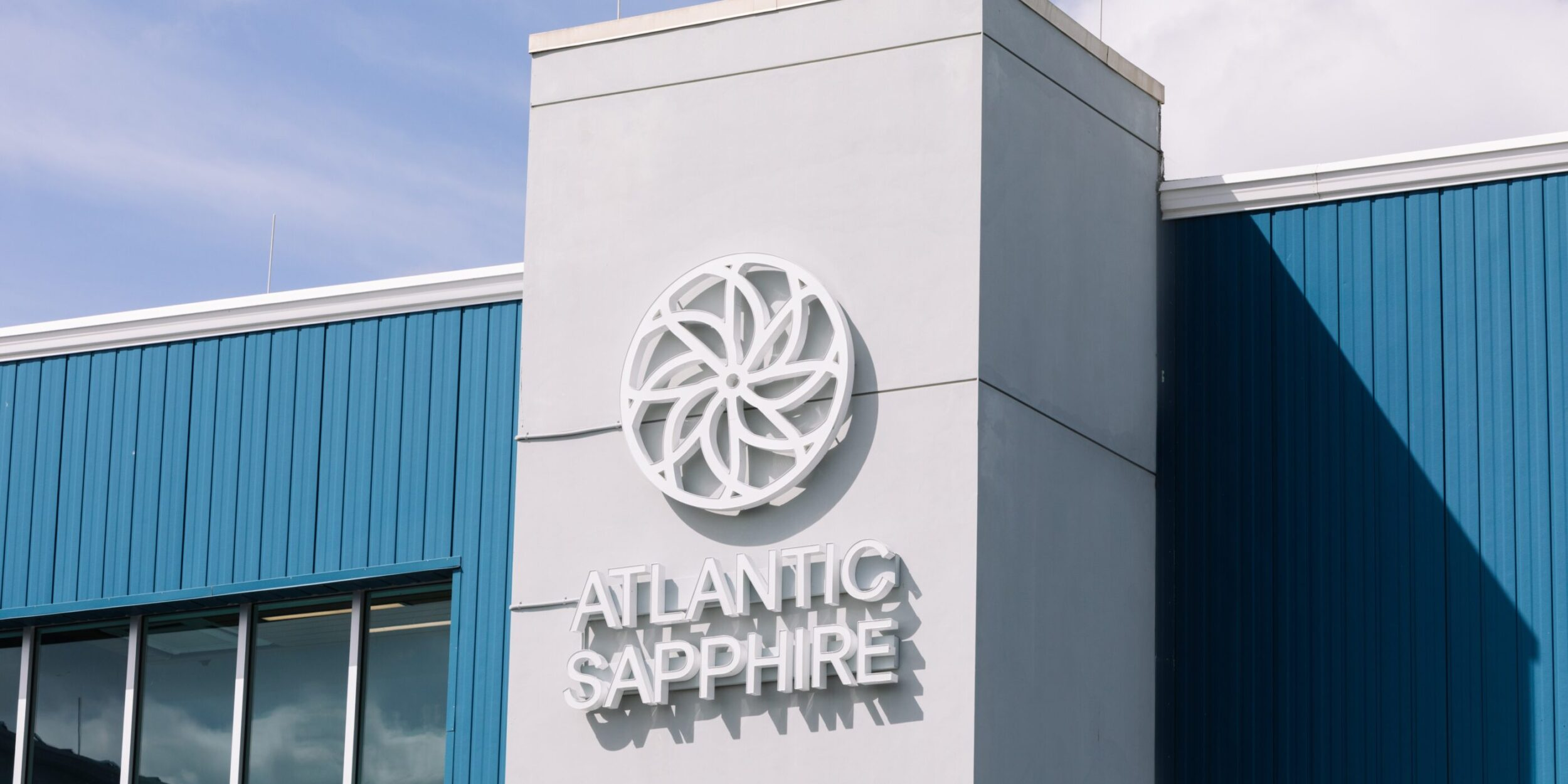
Atlantic Sapphire is one of the most prominent land-based salmon farming companies in the United States. Its Bluehouse facility in Florida is designed to raise Atlantic salmon on land using recirculating aquaculture system technology. The company describes itself as the largest global onshore aquaculture company in the world.
Atlantic Sapphire matters because salmon is one of America’s most popular seafood products, but much of the supply is imported. By producing salmon in Florida, the company aims to shorten supply chains, reduce air freight dependence, and provide fresh salmon closer to major U.S. markets.
Products and Services
Atlantic Sapphire produces Bluehouse Salmon, a land-raised Atlantic salmon product.
Industries Served
The company serves seafood distributors, retailers, restaurants, foodservice buyers, and consumers.
Notable Features
The company’s Florida facility uses land-based RAS technology, which controls water quality, temperature, oxygen, and waste flows indoors.
Competitive Advantages
Its advantage is location and technology. Producing salmon in the U.S. reduces reliance on overseas salmon imports and allows closer access to American buyers.
Headquarters
Miami, Florida.
Website
atlanticsapphire.com
Why It Stands Out
Atlantic Sapphire stands out because it represents one of the most ambitious attempts to build large-scale land-based salmon farming in the United States.
Superior Fresh
Overview
Superior Fresh is a Wisconsin-based land-based aquaculture company known for raising Atlantic salmon in a recirculating aquaculture system. The company describes itself as the first fully land-based salmon RAS farm in the United States.
Superior Fresh is especially interesting because it connects aquaculture with greenhouse production and regenerative farming principles. Its model is built around resource efficiency, water reuse, and raising fish away from ocean ecosystems.
Products and Services
Superior Fresh produces premium Atlantic salmon and leafy greens through a connected aquaculture and greenhouse system.
Industries Served
The company serves retailers, foodservice buyers, seafood distributors, grocery chains, and consumers looking for U.S.-raised salmon.
Notable Features
Superior Fresh operates land-based salmon farming systems in the American Midwest, far from traditional coastal aquaculture regions.
Competitive Advantages
Its advantage is controlled-environment production. The company can manage fish health, water conditions, and supply consistency in a closed system.
Headquarters
Hixton, Wisconsin.
Website
superiorfresh.com
Why It Stands Out
Superior Fresh stands out because it combines land-based salmon farming with a broader regenerative agriculture model.
Riverence
Overview
Riverence is one of the leading trout farming and seafood companies in the United States. Based in Idaho, the company focuses on responsibly raised rainbow trout and steelhead. Idaho’s Snake River region is one of the most important trout-producing areas in the country because of its cold, clean water resources and long aquaculture history.
Riverence matters because trout is one of the strongest examples of established U.S. fish farming. Unlike newer RAS salmon projects, trout farming has a longer commercial history in America and serves both retail and foodservice markets.
Products and Services
Riverence produces rainbow trout, steelhead, trout fillets, smoked products, and value-added seafood products.
Industries Served
The company serves grocery retailers, restaurants, foodservice distributors, seafood buyers, and consumers.
Notable Features
Riverence is known for vertically integrated trout production, including broodstock, hatcheries, grow-out, processing, and distribution.
Competitive Advantages
Its advantage is control over the production chain. Vertical integration can improve consistency, traceability, quality, and supply reliability.
Headquarters
Buhl, Idaho.
Website
riverence.com
Why It Stands Out
Riverence stands out as one of the strongest U.S. trout producers and a major example of mature American aquaculture.
Clear Springs Foods
Overview
Clear Springs Foods is a long-established trout producer based in Idaho and historically one of the best-known names in U.S. farm-raised rainbow trout. The company operates in the Snake River aquaculture region, which has supplied trout to American markets for decades.
Clear Springs is important because it helped build the commercial trout sector in the United States. Its operations show how regional water resources, processing infrastructure, and species specialization can create a durable aquaculture cluster.
Products and Services
The company produces farm-raised rainbow trout and related seafood products.
Industries Served
It serves retailers, restaurants, foodservice distributors, seafood processors, and wholesale buyers.
Notable Features
Clear Springs is associated with Idaho trout production and long-standing U.S. aquaculture supply chains.
Competitive Advantages
Its advantage is experience and location in a major trout-producing region.
Headquarters
Buhl, Idaho.
Website
clearsprings.com
Why It Stands Out
Clear Springs stands out because it represents one of the most established trout farming traditions in the United States.
Simmons Catfish
Overview
Simmons Catfish is a major Mississippi-based catfish farming and processing company. Catfish is one of the most important farmed fish species in the United States, especially in the South. USDA data shows catfish accounted for most U.S. food fish aquaculture sales in 2023.
Simmons Catfish is part of a regional industry built around pond-raised catfish, processing plants, Southern food culture, and domestic seafood production. The company’s role matters because catfish remains one of the clearest examples of large-scale U.S. fish farming.
Products and Services
Simmons Catfish produces fresh and frozen catfish products, including fillets and value-added items.
Industries Served
The company serves grocery stores, restaurants, foodservice distributors, seafood wholesalers, and consumers.
Notable Features
Simmons is known for Mississippi pond-raised catfish and vertically connected farming and processing.
Competitive Advantages
Its advantage is specialization in a well-established U.S. farmed fish category.
Headquarters
Yazoo City, Mississippi.
Website
simmonscatfish.com
Why It Stands Out
Simmons Catfish stands out because it is tied to one of the most important and culturally recognized farmed fish sectors in the United States.
Heartland Catfish Company
Overview
Heartland Catfish Company is another major Mississippi catfish producer and processor. Founded in the heart of the Mississippi Delta, the company has become one of the recognizable names in U.S. farm-raised catfish.
The company is important because catfish farming supports rural economies in the South and provides a domestic alternative to imported whitefish. For buyers, U.S.-raised catfish offers traceability, familiar flavor, and a supply chain rooted in American aquaculture.
Products and Services
Heartland Catfish produces fresh and frozen catfish products, including fillets, nuggets, and value-added seafood.
Industries Served
The company serves retail, wholesale, restaurant, institutional, and foodservice markets.
Notable Features
Heartland is associated with U.S. farm-raised catfish from the Mississippi Delta.
Competitive Advantages
Its advantage is regional specialization and processing capacity.
Headquarters
Itta Bena, Mississippi.
Website
heartlandcatfish.com
Why It Stands Out
Heartland Catfish stands out as a major producer in America’s most important farmed food fish category.
Blue Ridge Aquaculture
Overview
Blue Ridge Aquaculture is a Virginia-based company known for indoor tilapia farming. It is one of the largest tilapia aquaculture operations in the United States and is often cited as an example of controlled-environment fish production.
Tilapia is widely consumed in the U.S., but much of the supply is imported. Blue Ridge Aquaculture’s model matters because it demonstrates how domestic indoor production can serve markets that want fresher, traceable, U.S.-raised fish.
Products and Services
The company produces live and fresh tilapia for wholesale, retail, and foodservice markets.
Industries Served
It serves seafood distributors, retailers, restaurants, foodservice buyers, and live fish markets.
Notable Features
Blue Ridge uses indoor recirculating aquaculture systems to raise tilapia in Virginia.
Competitive Advantages
Its advantage is domestic production of a fish category heavily supplied by imports.
Headquarters
Martinsville, Virginia.
Website
blueridgeaquaculture.com
Why It Stands Out
Blue Ridge Aquaculture stands out because it shows how indoor aquaculture can produce warm-water fish close to U.S. consumers.
Pacifico Aquaculture
Overview
Pacifico Aquaculture is associated with ocean-raised striped bass marketed to U.S. seafood buyers. While its farming operations are in Mexico, the company is relevant to the U.S. market because it serves American restaurants, retailers, and distributors with premium farmed fish.
It is included here as a market-relevant aquaculture supplier rather than a U.S.-based farm operation. Buyers researching U.S. fish farm supply chains often encounter companies that operate across North America, where farming, sales, logistics, and customers may cross borders.
Products and Services
Pacifico produces ocean-raised striped bass for premium seafood markets.
Industries Served
The company serves restaurants, distributors, retailers, chefs, and seafood buyers.
Notable Features
Its product is positioned as a premium farmed marine fish for North American markets.
Competitive Advantages
Its advantage is species differentiation and premium positioning.
Headquarters
U.S. commercial presence; farming operations are based outside the United States.
Website
pacificoaquaculture.com
Why It Stands Out
Pacifico stands out because it reflects how U.S. seafood supply chains often depend on North American aquaculture networks, not only farms located within U.S. borders.
Industry Trends Affecting Fish Farms in the United States
Land-Based Aquaculture
Land-based aquaculture is one of the biggest trends in the U.S. market. RAS farms allow companies to raise fish indoors with controlled water quality, disease management, and waste handling. The model is capital-intensive but attractive because it can place seafood production closer to consumers.
Catfish Remains the Domestic Anchor
Catfish remains the backbone of U.S. food fish farming. USDA reported that catfish sales were valued at $480 million in 2023, representing 59% of all food fish sales.
Trout Has a Strong Regional Base
Trout farming remains one of the most established U.S. aquaculture sectors, especially in Idaho. Companies such as Riverence and Clear Springs show how water quality, genetics, processing, and regional expertise can support a durable industry.
Seafood Import Dependence
The United States remains heavily dependent on seafood imports. This creates an opportunity for domestic fish farms, especially when buyers want shorter supply chains, traceability, and U.S.-raised products.
Sustainability and Certification
Retailers and foodservice buyers increasingly ask about feed sourcing, water use, waste management, animal welfare, antibiotics, escape risk, and third-party certifications. Farms that can document responsible practices have a stronger market position.
Technology and Automation
Modern farms use sensors, automated feeding, oxygen monitoring, water quality systems, disease surveillance, cameras, and data platforms. These tools help improve survival rates, feed conversion, and operational consistency.
Buyer’s Guide: How to Evaluate Fish Farms
Check Species and Production Method
A buyer should first understand what species the farm produces and how it is raised. Pond-raised catfish, raceway trout, land-based salmon, tilapia RAS, and ocean net-pen fish all have different quality, cost, and sustainability considerations.
Review Food Safety and Traceability
Reliable fish farms should provide clear traceability from hatchery or grow-out system to processing and distribution. Buyers should ask about food safety controls, cold chain management, harvest practices, and recall systems.
Ask About Sustainability
Sustainability claims should be specific. Ask about feed conversion, water use, discharge, waste handling, antibiotics, certifications, stocking density, fish health, and environmental monitoring.
Evaluate Supply Reliability
Restaurants, retailers, and distributors need consistent size, quality, and volume. A farm’s production system, processing partners, harvest schedule, disease controls, and logistics determine whether it can supply buyers reliably.
Compare Freshness and Location
Domestic fish farms can offer freshness advantages because fish travel shorter distances than many imports. This is especially important for premium fresh seafood programs.
Watch for Red Flags
Red flags include unclear sourcing, weak traceability, vague sustainability claims, inconsistent product quality, lack of food safety documentation, poor communication, and no clear information about production methods.
Why Fish Farms Matter in the United States
Fish farms matter because they can strengthen domestic seafood supply, create rural and coastal jobs, support food security, reduce reliance on imports, and provide a controlled source of healthy protein.
Aquaculture also supports related industries such as feed manufacturing, genetics, hatcheries, equipment, water treatment, processing, cold storage, logistics, foodservice, retail, and research. In some regions, fish farming is an important part of local economic development.
The industry also has environmental significance. Well-managed aquaculture can reduce pressure on wild fisheries, but poorly managed systems can create risks such as pollution, disease transfer, escapes, and resource conflicts. The future of fish farming depends on regulation, transparency, technology, and responsible production.
Conclusion
Fish Farms in the United States are becoming more important as seafood demand grows, import dependence remains high, and consumers seek traceable, responsibly raised products. Atlantic Sapphire and Superior Fresh represent the rise of land-based salmon. Riverence and Clear Springs show the strength of U.S. trout farming. Simmons Catfish and Heartland Catfish highlight the continued importance of Southern catfish. Blue Ridge Aquaculture demonstrates the potential of indoor tilapia farming.
The best fish farms are not defined only by size. They stand out through species expertise, production reliability, food safety, sustainability, traceability, and market relevance. As technology improves and domestic seafood supply becomes a bigger priority, U.S. aquaculture is likely to become a more important part of the national food system.
Frequently Asked Questions
What are the leading fish farms in the United States?
Leading fish farms and aquaculture companies in the United States include Atlantic Sapphire, Superior Fresh, Riverence, Clear Springs Foods, Simmons Catfish, Heartland Catfish Company, and Blue Ridge Aquaculture. These companies operate in different parts of the market, including land-based salmon, trout, catfish, and tilapia. The best company depends on the species, buyer needs, production method, and market served.
What fish are commonly farmed in the United States?
Common farmed fish in the United States include catfish, trout, salmon, tilapia, hybrid striped bass, yellow perch, and several sport fish species. Catfish is especially important in the South, while trout is strongly associated with Idaho and other cold-water regions. Land-based salmon is growing but remains more capital-intensive than traditional pond and raceway farming.
Is fish farming the same as aquaculture?
Fish farming is a part of aquaculture. Aquaculture includes the farming of fish, shellfish, crustaceans, aquatic plants, and other aquatic organisms. Fish farming specifically refers to raising fish species such as salmon, trout, catfish, tilapia, or bass in ponds, tanks, raceways, cages, or recirculating systems.
Which state has the most fish farming?
The answer depends on the species. Mississippi is especially important for catfish. Idaho is a leading trout state. Florida is important for land-based salmon through Atlantic Sapphire. Wisconsin is associated with Superior Fresh’s land-based salmon model. Aquaculture is highly regional because water, climate, land, permits, and processing infrastructure all matter.
Are farmed fish healthy to eat?
Farmed fish can be healthy when raised under strong food safety and quality standards. Fish provide protein and important nutrients, and some species are rich in omega-3 fatty acids. Buyers should look for traceability, responsible farming practices, proper handling, and reliable suppliers. Nutrition varies by species, feed, processing, and preparation method.
Is U.S. farmed fish sustainable?
Some U.S. farmed fish is considered sustainable, especially when farms manage water, feed, fish health, waste, and environmental impact responsibly. Sustainability depends on the species and production system. A well-managed land-based RAS farm, trout farm, or catfish pond can perform differently from a poorly managed operation. Buyers should ask for specific evidence rather than accepting vague claims.
Why does the United States import so much seafood?
The U.S. imports much of its seafood because domestic wild catch is limited, aquaculture production is smaller than demand, and global suppliers often produce at lower cost. Imported shrimp, salmon, tilapia, and whitefish dominate many seafood categories. Domestic fish farming has an opportunity to grow by offering fresher, traceable, U.S.-raised products.
What is land-based aquaculture?
Land-based aquaculture raises fish in tanks or controlled systems on land rather than in oceans, lakes, or open ponds. Many modern systems use recirculating aquaculture technology, which filters and reuses water. This can reduce escape risks and improve control over fish health, but it requires high capital investment, energy, technical skill, and strong management.
What is recirculating aquaculture system farming?
Recirculating aquaculture system farming, or RAS, uses tanks, filters, oxygen systems, biofilters, and water treatment technology to raise fish in a controlled environment. Water is cleaned and reused instead of constantly discharged. RAS can allow fish to be raised close to markets, but it is expensive and technically demanding.
What is the biggest challenge for U.S. fish farms?
Major challenges include high capital costs, permitting complexity, feed prices, disease management, energy costs, competition from imports, consumer skepticism, and the need for consistent product quality. Land-based farms also face technical risk because water quality, filtration, oxygen, and fish health must be managed continuously.
Are catfish farms important in the United States?
Yes. Catfish farms are one of the most important parts of U.S. food fish aquaculture. USDA reported that catfish accounted for $480 million in sales in 2023, equal to 59% of U.S. food fish sales. Catfish farming is especially important in Mississippi and other Southern states.
What should restaurants look for when buying farmed fish?
Restaurants should look for consistent size, freshness, traceability, reliable delivery, food safety documentation, flavor quality, and responsible farming practices. Chefs should also understand the production method because pond-raised catfish, land-based salmon, trout, and tilapia have different handling and cooking characteristics.
Can fish farms help reduce pressure on wild fisheries?
Responsible fish farms can help reduce pressure on wild fisheries by increasing seafood supply without relying only on wild catch. However, aquaculture must be managed carefully. Feed sourcing, water quality, disease control, waste handling, and habitat protection all affect whether fish farming delivers real environmental benefits.
What is the future of fish farming in the United States?
The future of U.S. fish farming will likely include more land-based systems, better genetics, improved feed, stronger sustainability reporting, advanced water treatment, and more domestic seafood branding. Growth will depend on investor confidence, consumer trust, permitting reform, energy costs, and the ability of farms to compete with imported seafood.
Read Also: Dairy Farms in the United States